World
Bangladesh Boycott Casts Shadow Over T20 World Cup Preparations
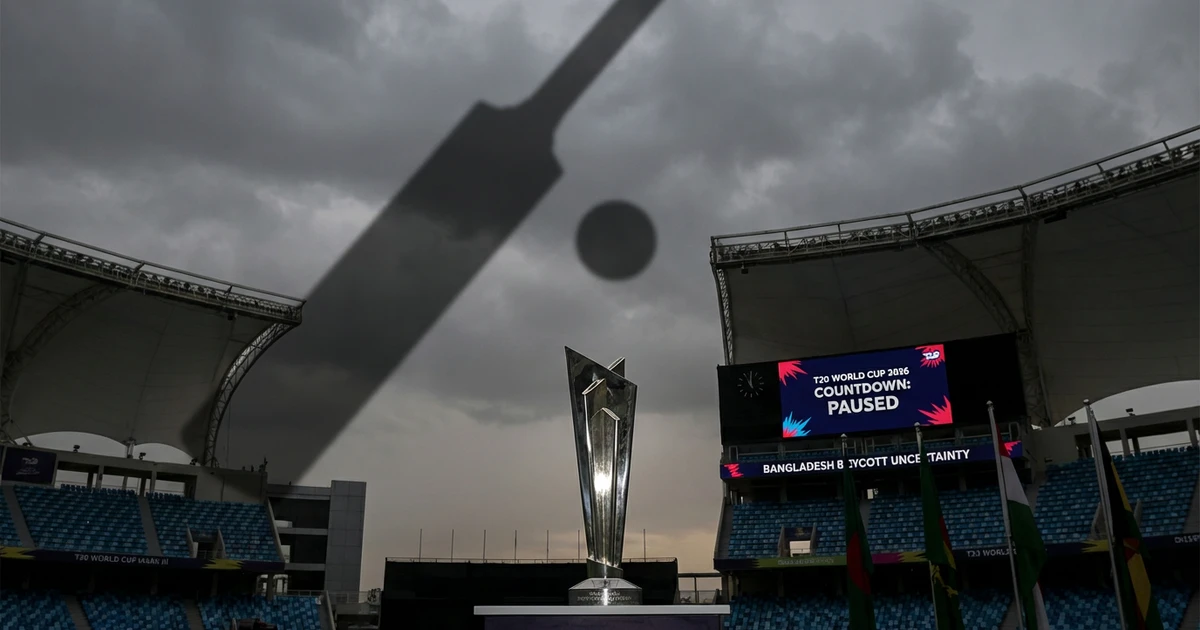
As the cricketing world gears up for the highly anticipated T20 World Cup, Bangladesh’s decision to boycott the event has injected a note of sadness and uncertainty into the countdown. The move, which highlights underlying tensions within international cricket, is prompting widespread reflection on the sport’s direction and the unity of its global community.
The Boycott and Its Implications
The Bangladesh cricket team's boycott comes at a critical juncture, underscoring the complex realities facing international tournaments. The Guardian’s coverage points out that the decision is not just a matter of sporting withdrawal but a signal of deeper issues. The absence of a prominent team like Bangladesh from a major ICC event disrupts competitive balance and raises questions about the inclusivity and governance of cricket’s showpiece events.
Cricketing Context and Competitive Impact
Bangladesh has emerged in recent years as a formidable force in limited-overs cricket, with a passionate fan base and a string of impressive performances in global tournaments. Their absence from the T20 World Cup is not only a blow to their supporters but also diminishes the competitive diversity that has come to define the tournament.
- Bangladesh has consistently qualified for major ICC events, reaching the Super 10 or Super 12 stages in recent T20 World Cups.
- Their players, including stars like Shakib Al Hasan and Mustafizur Rahman, are ranked among the world’s best in T20 cricket.
- The team’s unique playing style and passionate following have enriched the global cricketing narrative.
Underlying Issues Behind the Boycott
The Guardian article suggests that Bangladesh’s decision is rooted in ongoing frustrations around tournament scheduling, resource allocation, and perceptions of uneven treatment within the international cricket community. Such grievances have been simmering not just in Bangladesh but also among other nations who feel marginalized by cricket’s traditional power structures.
While the specifics of the boycott’s trigger remain nuanced, the episode points to the need for more equitable dialogue and reform within the sport’s governing bodies.
A Sad Reality for Fans and the Sport
For cricket fans worldwide, the Bangladesh boycott is a stark reminder of the challenges in balancing commercial interests, competitive fairness, and national pride in a global sport. The T20 World Cup, celebrated for bringing diverse cultures together, now faces the prospect of proceeding without one of its most passionate participants.
As The Guardian notes, “the absence of Bangladesh brings a sad reality” to what should be a festival of cricket, highlighting the fragility of unity in the face of unresolved disputes and the importance of addressing underlying inequalities within the game.
The Road Ahead
With the T20 World Cup fast approaching, cricket’s governing bodies will be under pressure to engage with Bangladesh and other member nations to ensure that the spirit of inclusivity and fair competition is not further eroded. The episode serves as a call to action for reforms that prioritize the voices and interests of all cricketing nations, large and small.
As preparations continue, the international cricket community will be watching closely to see whether bridges can be rebuilt and whether lessons from this moment lead to a more unified future for the world’s second-most popular sport.
Sources
- [1]The Guardian