Health
Bangladesh measles death toll rises to 648 amid surge in suspected cases
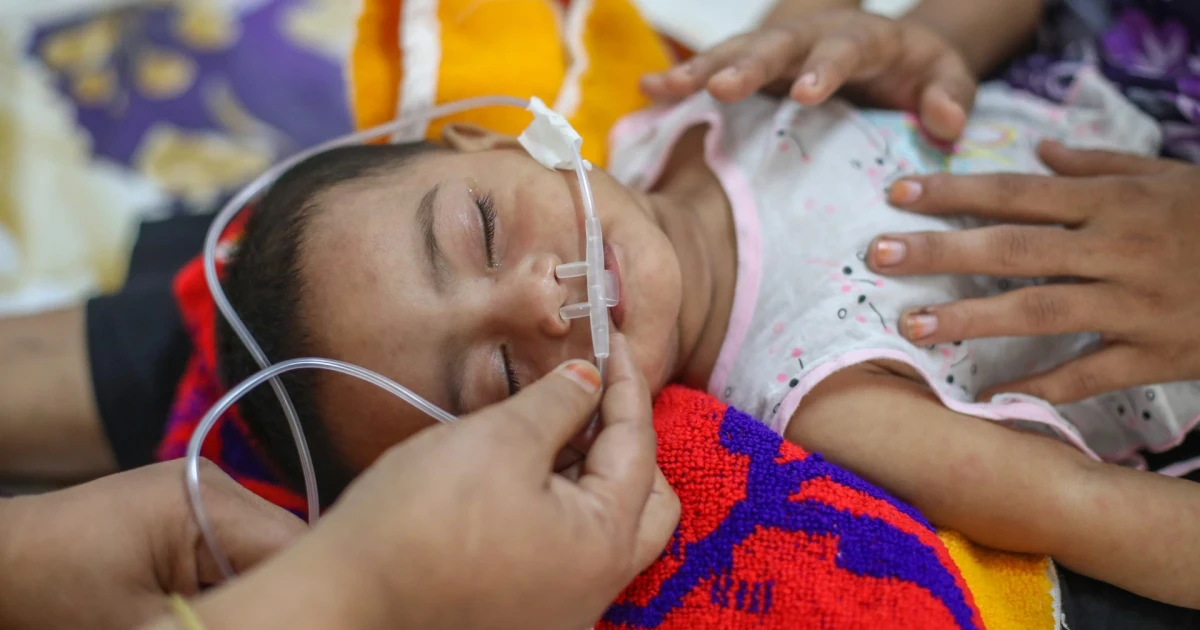
Five more children died in Bangladesh in 24 hours, pushing the combined confirmed and suspected measles death toll to 648 and underscoring how quickly a preventable disease had overwhelmed parts of the country. Health officials also logged 733 new suspected cases and 63 confirmed infections in the same day, a pace that kept hospitals and surveillance teams under strain.
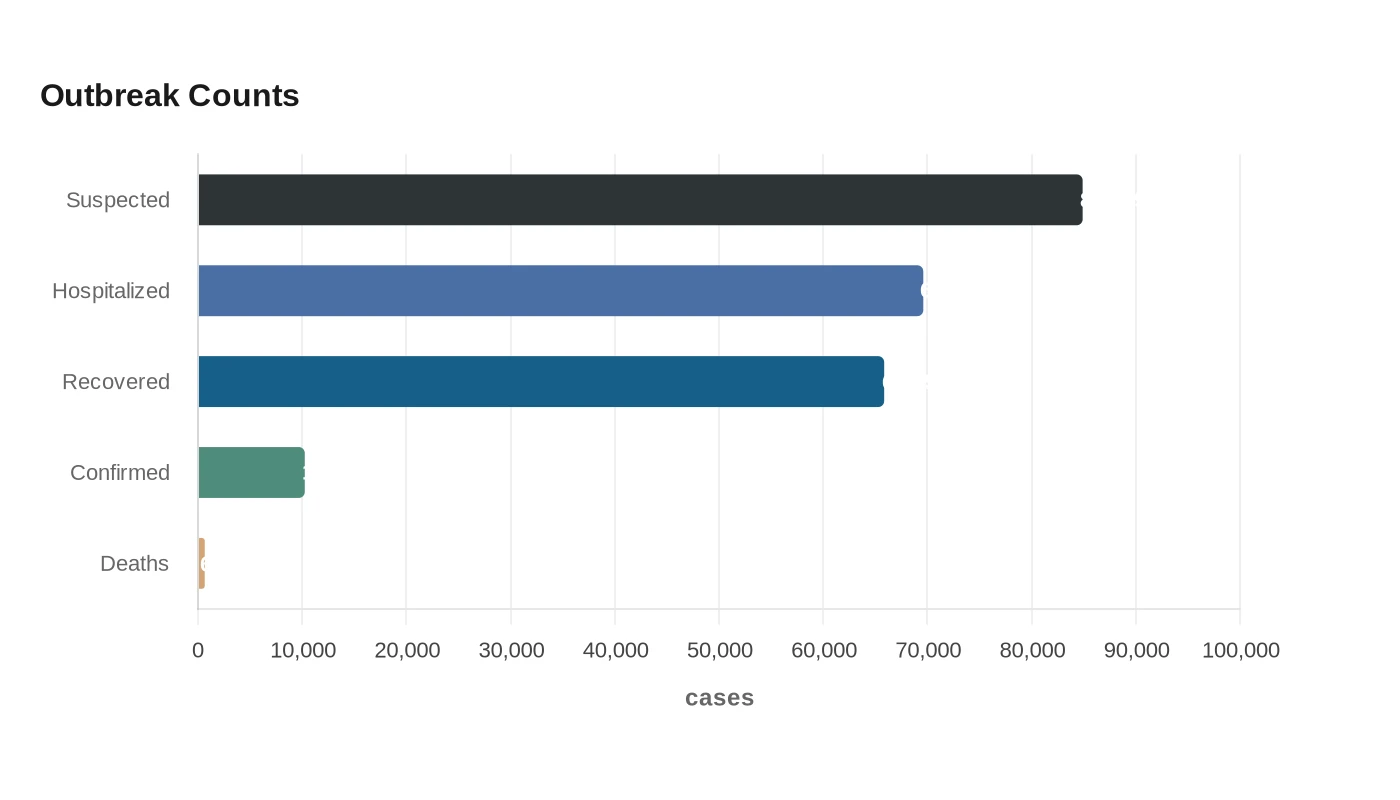
The latest figures from the Directorate General of Health Services showed 84,899 suspected cases and 10,248 laboratory-confirmed infections. Since March 15, 69,606 suspected measles patients had been hospitalized nationwide, and 65,852 had recovered, numbers that point to a broad and sustained outbreak rather than a series of isolated clusters. The death toll now reflected both confirmed and suspected measles-related fatalities, a sign that some children were dying before testing could keep up with the spread.
That gap between clinical suspicion and laboratory confirmation is more than a reporting problem. It is a warning about how an outbreak can outrun the systems meant to track it, isolate it and contain it. When measles moves this fast, the difference between a suspected death and a confirmed one often means a child was too sick, or the system too burdened, to complete the chain of diagnosis in time.
The crisis had already been flagged to the World Health Organization on April 4, after measles cases surged across 58 of Bangladesh’s 64 districts in all eight divisions. WHO said the outbreak was high-risk because transmission was ongoing, immunity gaps were documented and large numbers of children remained susceptible. Between March 15 and April 14, WHO reported 19,161 suspected cases, 2,897 confirmed cases and 166 measles-related deaths, with 79 percent of reported cases among children under 5.
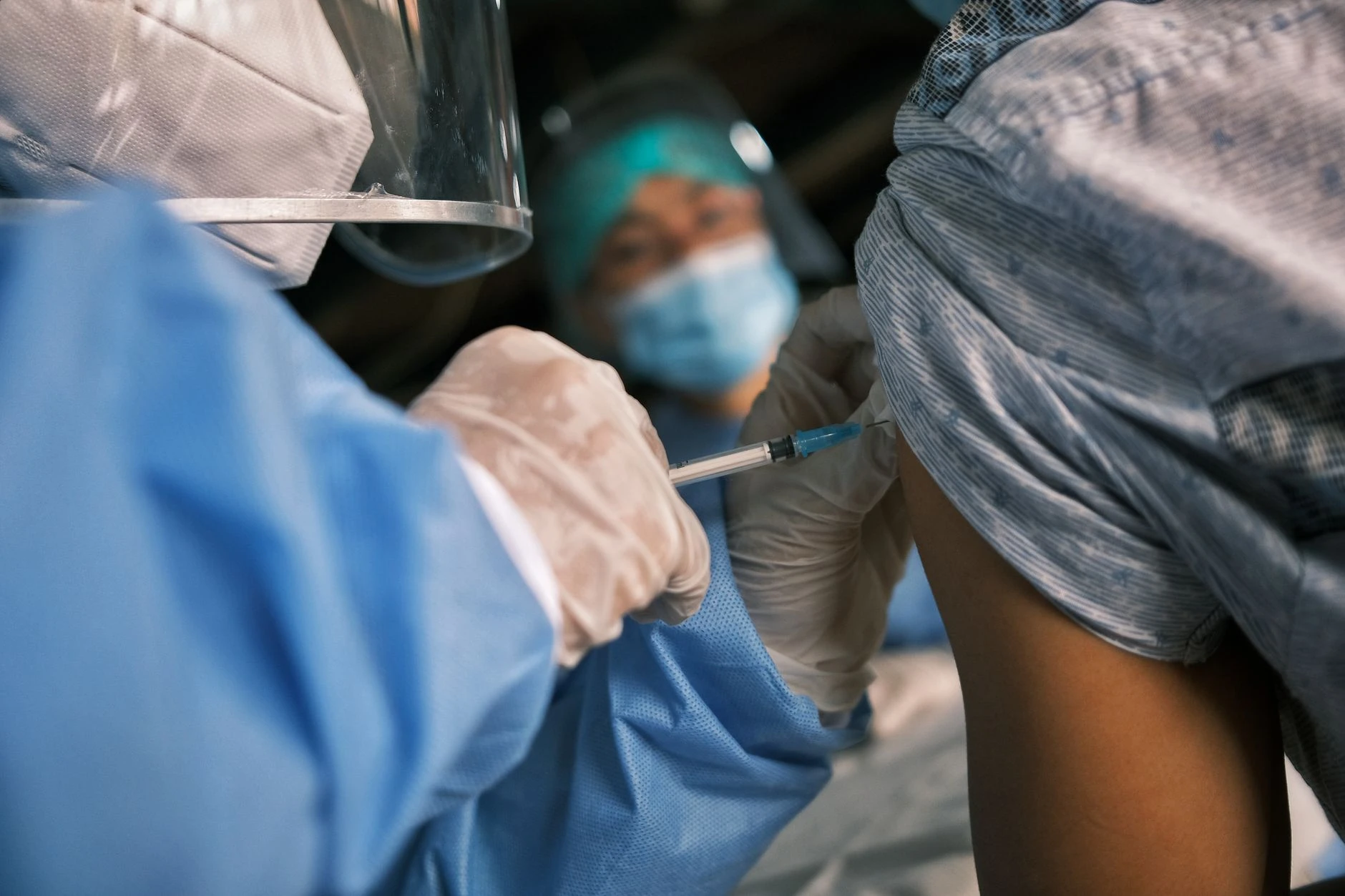
Bangladesh and its partners responded on April 5 with an emergency measles-rubella vaccination campaign aimed at protecting more than 1.2 million children ages 6 months to 5 years. The first phase covered 30 upazilas in 18 high-risk districts before expanding toward city corporations and a nationwide rollout. UNICEF said children under five accounted for 81 percent of cases as of March 30, while infants under nine months made up 34 percent, leaving the youngest children exposed before routine vaccination could fully protect them.
The scale of the outbreak shows what happens when immunization coverage slips and public-health response has to play catch-up. Bangladesh had maintained roughly 90 percent to 95 percent coverage after introducing the combined measles-rubella vaccine in 2012, apart from a pandemic-era dip, but 2026 has exposed how fragile that protection can be when immunity gaps widen. The country’s death toll now stands as a stark measure of a disease that should not be killing children at this scale.
Sources
- [1]dhakatribune.com
- [2]who.int
- [3]bangladesh.un.org
- [4]unicef.org
- [5]bmj.com
- [6]go.ifrc.org