Politics
Bangladesh president Shahabuddin resigns, citing health concerns
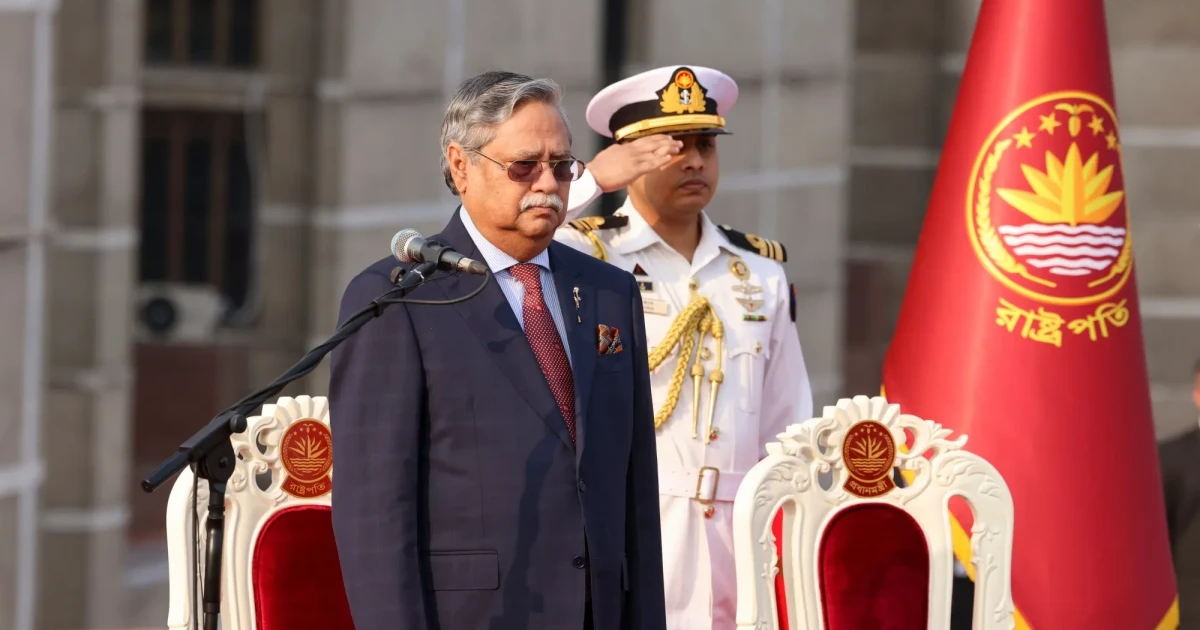
Bangladesh President Mohammed Shahabuddin resigned on Friday, with local media saying he cited health concerns, and his exit immediately put the constitution’s succession rules into motion. The 76-year-old’s departure matters even in a system where the presidency is largely ceremonial, because the office still carries constitutional and symbolic weight.
Under Bangladesh’s constitution, Shahabuddin’s resignation had to be written and addressed to the Speaker of the Jatiya Sangsad. If the presidency falls vacant, the Speaker serves as acting president, and a presidential election must be held within 90 days. That makes the parliamentary leadership the immediate center of the transition and gives the legislature a larger role in preserving continuity at the top of state.
Shahabuddin had been president since April 2023, and Reuters-linked reporting said his original term was due to run until 2028. His departure therefore cut short a five-year tenure well before its scheduled end and came amid heightened political scrutiny in Bangladesh. Reuters previously identified Shahabuddin as a former ally of ousted prime minister Sheikh Hasina, whose planned return has added to the pressure around the country’s political order.
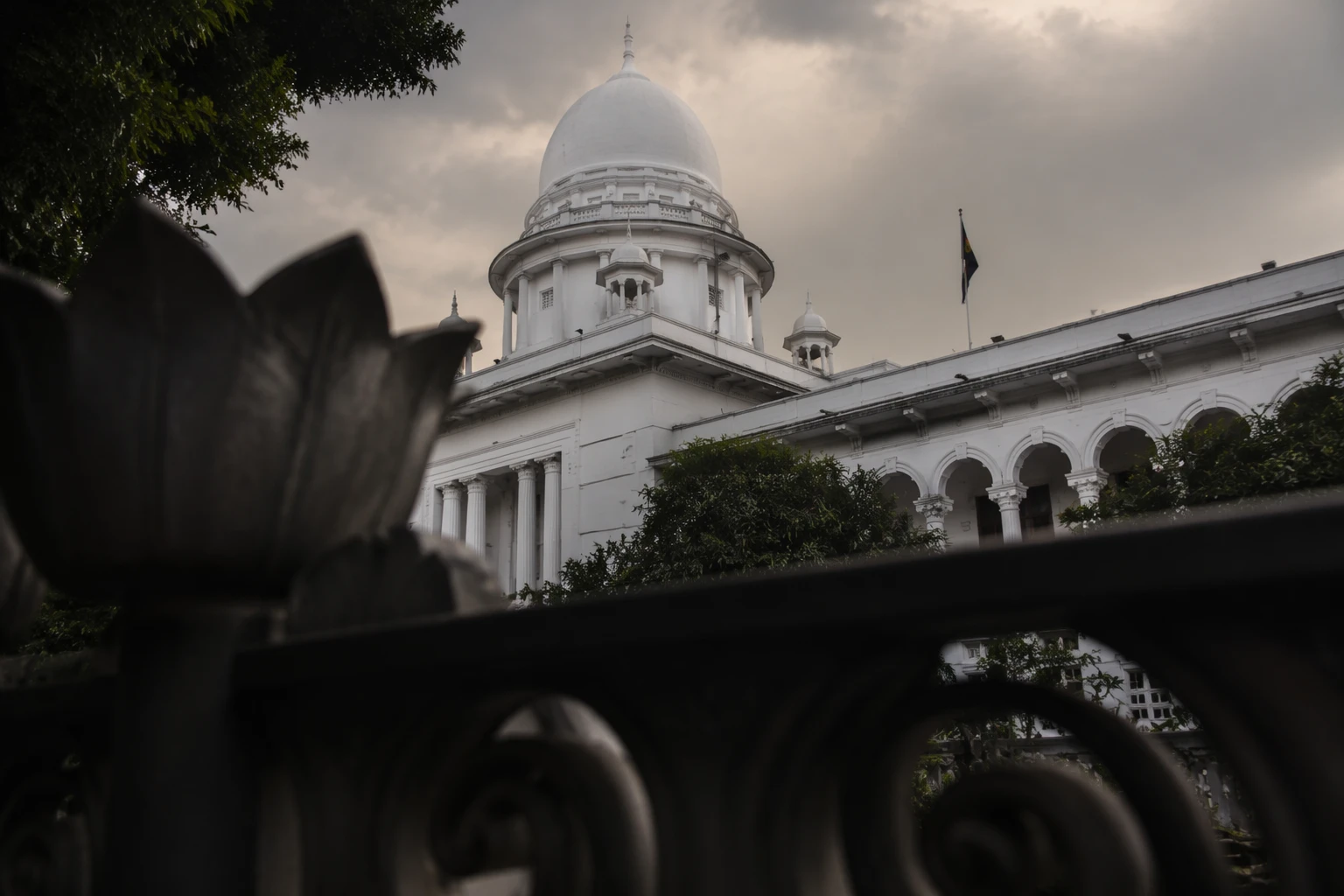
The practical effects will be felt first in protocol and constitutional administration, but the broader implications run deeper. The presidency may not direct day-to-day government, which remains centered on the prime minister, yet it still plays a role in signing legislation, appointing officials in specified circumstances and representing the state. A vacancy at that level can affect national ceremonies, diplomatic presentation and the public perception of continuity in a system already tested by political tension.
The speed and manner of the transition will now shape the next phase of state business in Dhaka. If the Speaker assumes the acting presidency and parliament moves within the 90-day deadline, Bangladesh can avoid a constitutional gap at a sensitive moment. If the process drags, the vacancy could sharpen questions about governance, election credibility and the durability of the country’s fragile political balance.