World
Bangladesh seeks smaller trade gap and project support in China visit
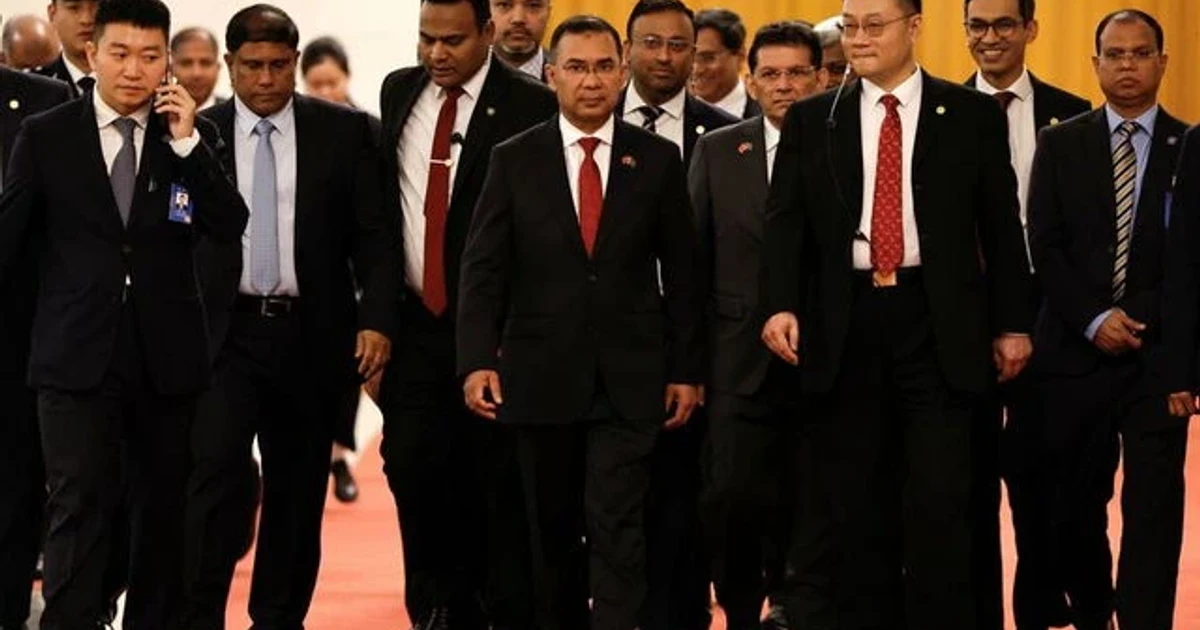
Bangladesh and China signed 17 memorandums of understanding as Prime Minister Tarique Rahman used a meeting with Xi Jinping in Beijing to press for a smaller trade gap, broader Bangladeshi exports and Chinese help on major projects.
The Chinese foreign ministry said Rahman was in China from June 22 to 26, 2026, and attended the 17th Annual Meeting of the New Champions in Dalian. The visit was his first to China since becoming prime minister in February, and it put trade, investment and infrastructure at the center of Dhaka’s pitch.
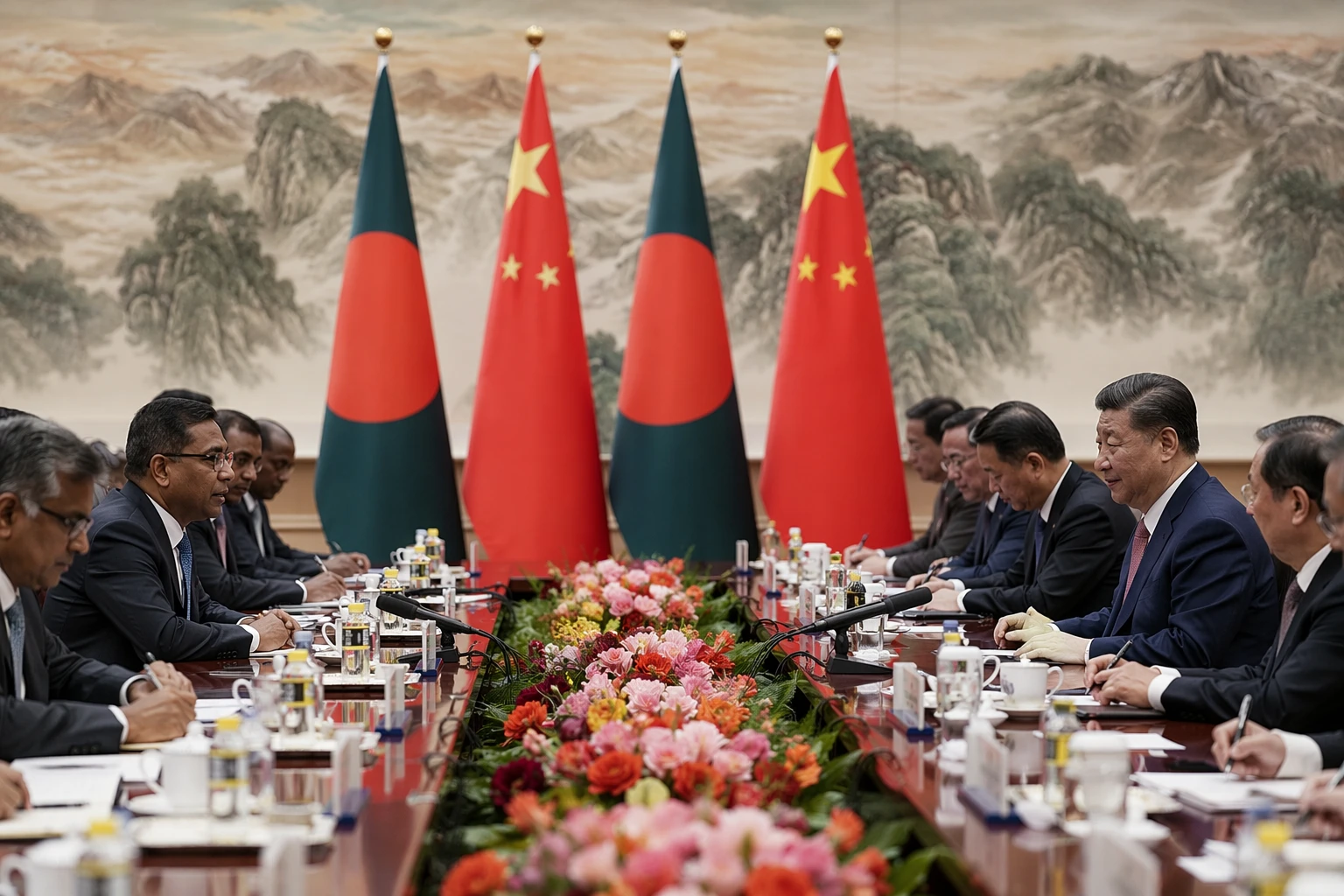
Rahman told Xi that China should consider importing more Bangladeshi mangoes, jackfruit, guava, aquatic products, raw leather, jute products and pharmaceutical products. Those are the sectors with the clearest room to grow if Beijing opens its market further: Bangladesh already has a foothold in jute goods, leather and medicines, while fresh fruit and fish exports would depend on tighter quality controls, cold-chain logistics and smoother customs clearance.
The urgency is driven by the numbers. Bangladesh’s trade deficit with China was about US$16.45 billion in the fiscal year ending June 30, 2024, and widened further to about Tk 2.54 trillion, or roughly US$20.66 billion, in FY2024-25, with higher imports of industrial raw materials driving the gap. Bangladesh Bank data also put the country’s overall trade deficit at US$19.17 billion for July-March of FY2025-26, underscoring how heavily the economy still leans on imported inputs.
That imbalance gives Beijing leverage. Rahman is seeking support for major signature projects and modernization of existing industrial units, which suggests Dhaka wants not only financing but also Chinese implementation capacity, machinery and technical backing. Bangladesh has already raised Chinese involvement in trade, investment, infrastructure, the digital economy, water resources and the Teesta River Comprehensive Management and Restoration Project, all areas where project finance could come with deeper Chinese commercial influence.
The trip also reflects a careful diplomatic balance. Sheikh Hasina was widely seen as closer to India, and while relations with New Delhi have improved since Rahman took office, border tensions and other disagreements remain. By leaning into Beijing without shutting the door on India, Dhaka is trying to widen its options while reducing the risk that one partner’s financing leaves Bangladesh more dependent than before.