Health
Bangladesh Steps Up Measles Vaccination as Child Deaths Mount
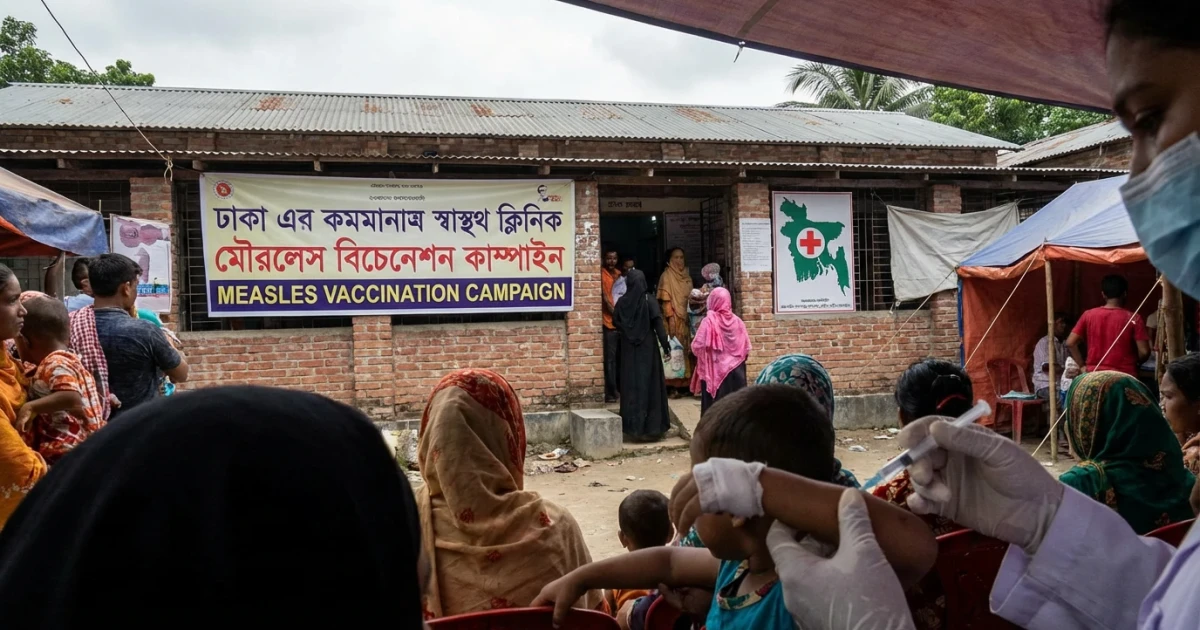
Bangladesh has begun an emergency measles vaccination drive after the disease claimed the lives of more than 100 children, marking one of the deadliest outbreaks the country has seen in recent years. The government and health organizations are mobilizing resources to contain the spread, with authorities citing gaps in immunization coverage as a key factor in the rapid escalation of cases.
The Outbreak and Its Impact
According to reports from The Guardian, the latest measles outbreak in Bangladesh has led to over 100 child fatalities, with thousands more infected. The spike has been observed primarily in regions with historically low vaccination rates. The World Health Organization’s official outbreak update confirms the severity of the situation, noting a rapid increase in both suspected and confirmed cases since early 2024.
- Over 100 children have died as of early April 2026
- Cases are concentrated in areas with low routine immunization coverage
- Thousands of additional infections have been reported nationwide
Health experts warn that measles can be particularly dangerous for young children, leading to severe complications such as pneumonia, encephalitis, and death. The high fatality rate in this outbreak has intensified calls for urgent action.
Vaccination Gaps and Contributing Factors
Data from the WHO’s Bangladesh Immunization Profile highlights persistent challenges in achieving universal vaccine coverage. While Bangladesh has made significant progress over the past two decades, recent years have seen coverage for the first and second doses of measles-containing vaccine (MCV1 and MCV2) fall below the 95% threshold needed for herd immunity. This has left pockets of children vulnerable to infection.
Experts point to the following factors exacerbating the outbreak:
- Interrupted routine immunization services during the COVID-19 pandemic
- Logistical challenges in reaching remote and marginalized communities
- Vaccine hesitancy and misinformation among some segments of the population
These challenges are not unique to Bangladesh; the WHO’s global measles elimination analysis notes a worldwide resurgence in measles cases wherever vaccination rates dip.
Response Measures and Emergency Campaign
In response to the rising death toll, the Ministry of Health, supported by international partners, has launched an emergency vaccination campaign targeting children who missed routine immunization. Mobile teams have been dispatched to affected districts, and public awareness efforts are underway to encourage vaccine uptake.
UNICEF and WHO are supporting the government with vaccine supply, technical assistance, and outreach. The campaign aims not only to halt the current outbreak but also to strengthen the routine immunization system and restore confidence in vaccines.
Looking Ahead
Health officials say that increasing vaccination coverage is the only sustainable way to prevent future outbreaks. The current crisis has highlighted the importance of robust, resilient health systems that can maintain essential services even during wider disruptions.
As Bangladesh works to control the outbreak, the global health community will be watching closely. The country’s experience underscores the ongoing threat of vaccine-preventable diseases when immunization gaps persist and the critical need for sustained investment in public health infrastructure.