World
Bangladesh urges richer nations to speed climate finance aid
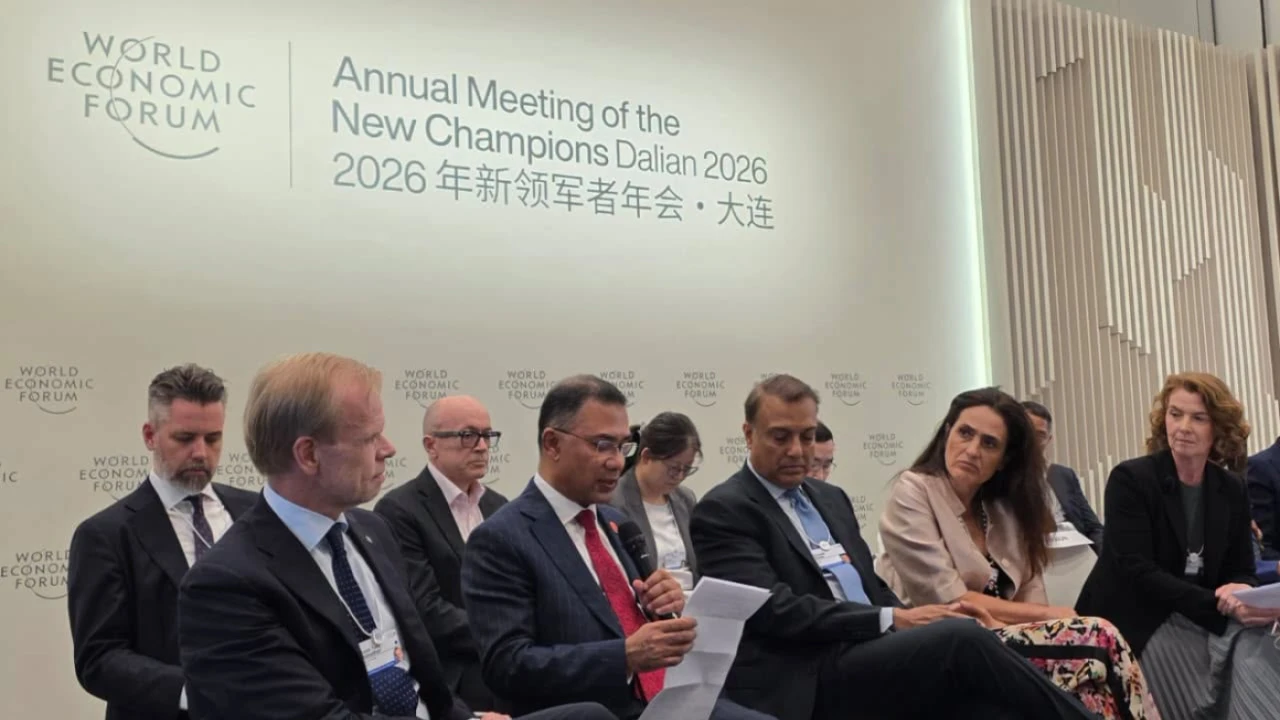
Bangladesh pressed richer nations and global institutions to speed climate finance and lift the total beyond the $300 billion annual goal agreed at COP29, arguing that vulnerable countries cannot wait for money that comes too slowly or in amounts too small to match the damage. The demand landed in Dalian, China, where the World Economic Forum held its 17th Annual Meeting of the New Champions from June 23 to 25 under the theme Innovating at Scale.
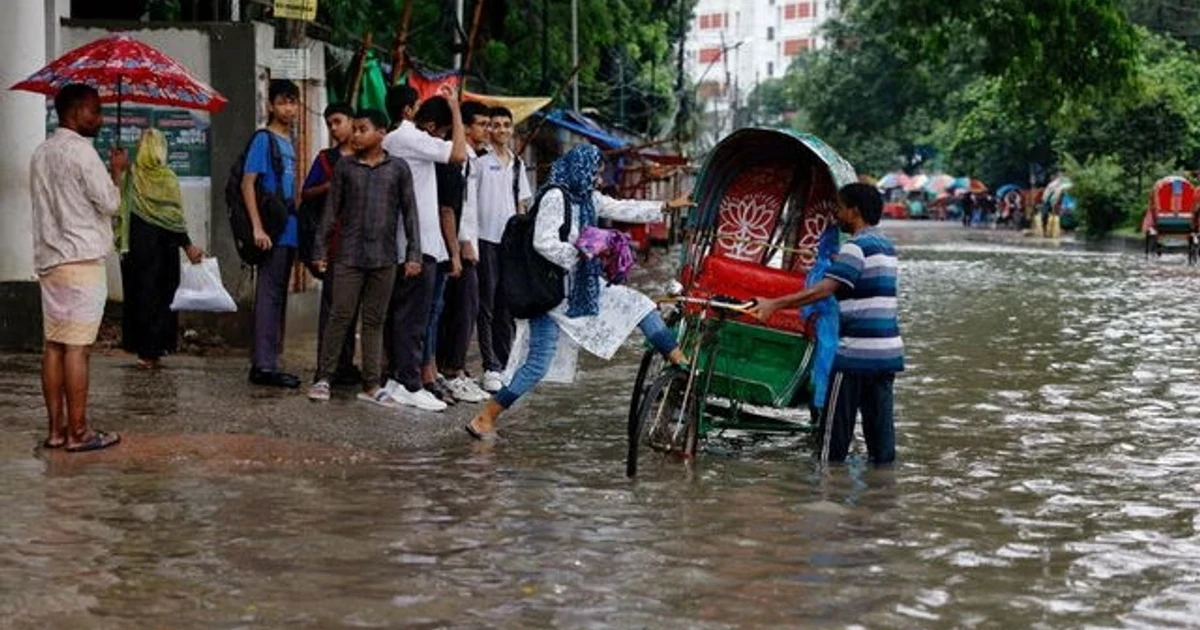
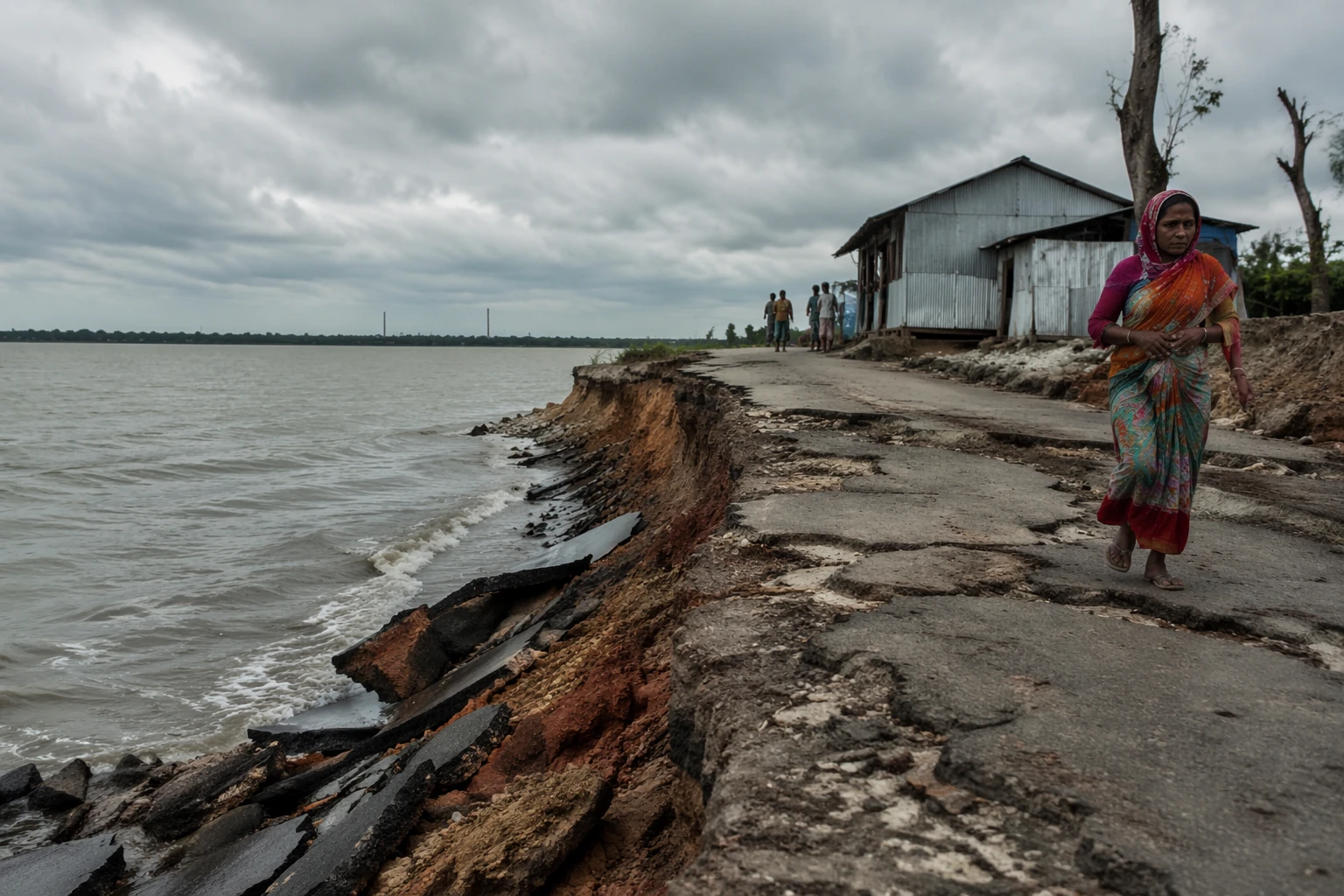
Prime Minister Tarique Rahman raised the issue during his first overseas trip since taking office, using a high-level economic forum to turn climate finance into a negotiating point as well as a humanitarian one. Bangladesh tied its appeal to the country's exposure to flooding, cyclones, river erosion and saltwater intrusion, hazards that keep pushing up the cost of adaptation, recovery and infrastructure repair.
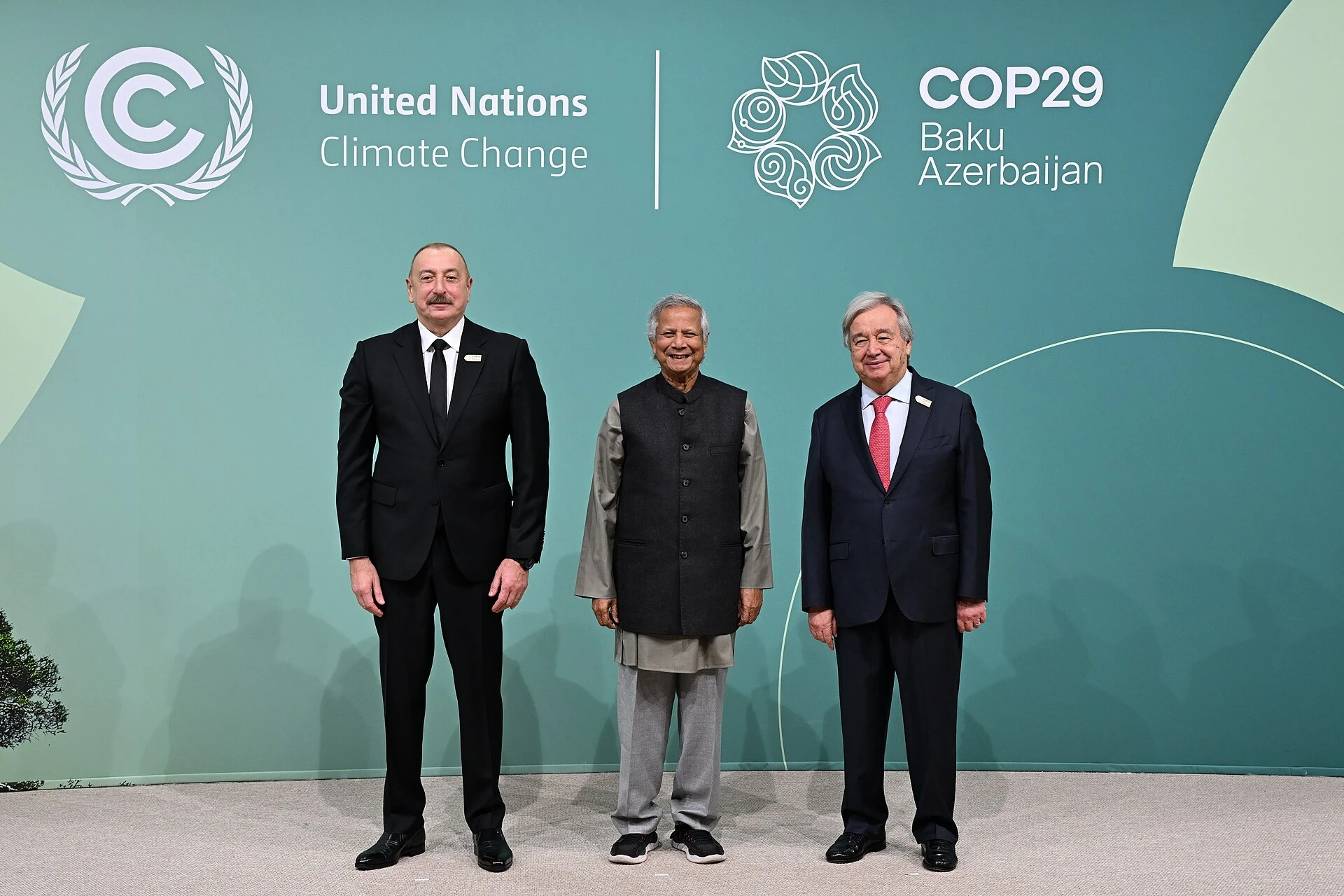
The benchmark set at COP29 in Baku, Azerbaijan, remains at the center of the dispute. Nearly 200 countries agreed to mobilize at least $300 billion a year in climate finance by 2035, while also calling on all actors to work toward $1.3 trillion a year by 2035. Developing countries had asked for more than $1 trillion, and UN officials and climate advocates have said the final package still fell short of what frontline nations need.
Bangladesh is among the clearest examples of the gap between global pledges and local use. For Dhaka, the problem is not only the size of the headline figure but also whether funding can be accessed quickly and predictably enough to meet urgent needs before the next storm season or flood cycle arrives. The government has pressed for support that can move from summit language into usable financing for adaptation, resilience and recovery.
The push now feeds directly into the next round of UN climate talks in November, where richer countries will face fresh pressure to explain how they plan to turn a $300 billion promise into money that arrives faster, reaches more vulnerable states and matches the scale of the damage already unfolding.
Sources
- [1]usnews.com
- [2]weforum.org
- [3]unfccc.int
- [4]news.un.org
- [5]straitstimes.com