World
Bangladesh violence persists six months into Tarique Rahman's government
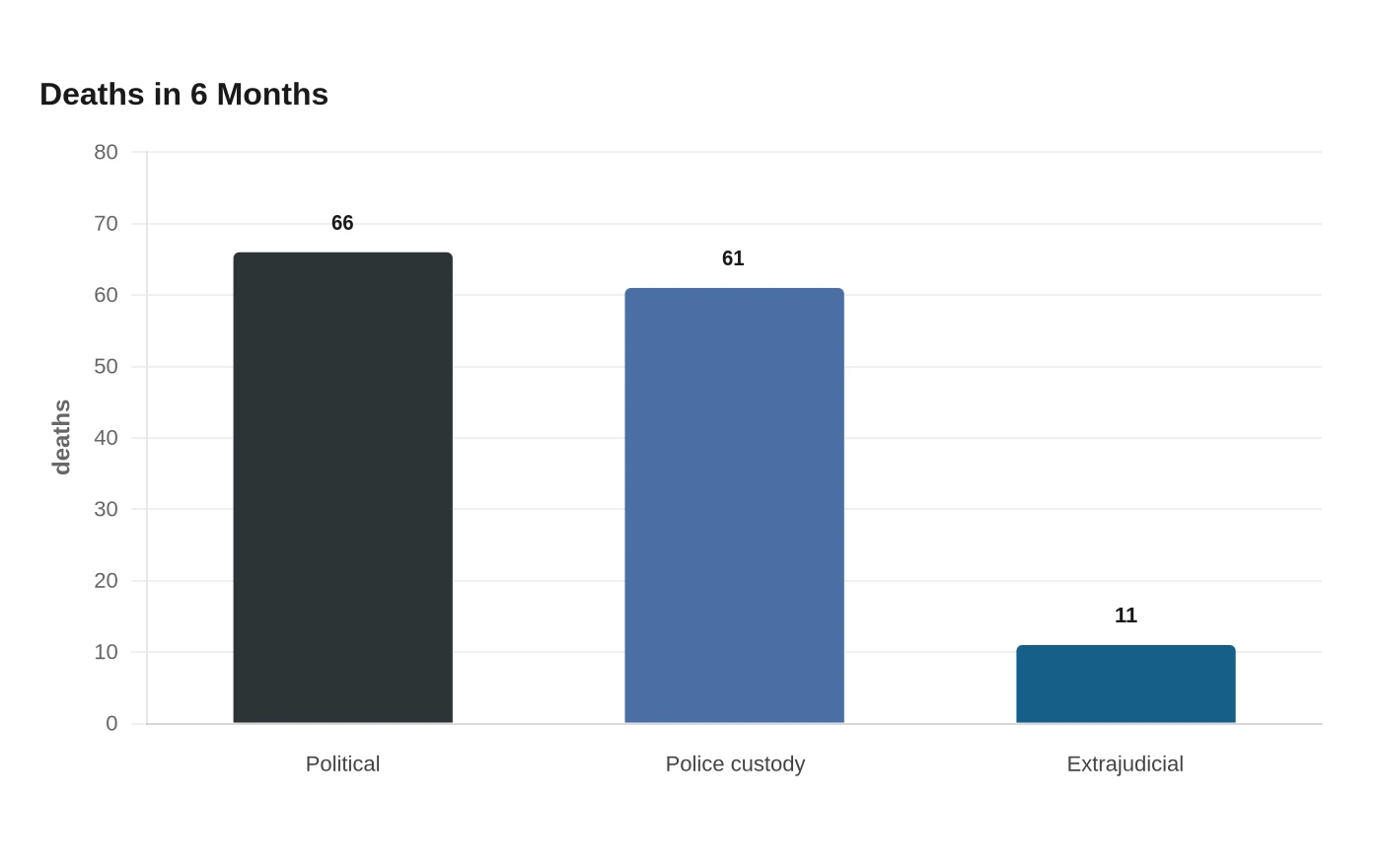
Ain o Salish Kendra recorded at least 66 politically related killings in the first six months of Tarique Rahman’s government, a grim marker for the administration that pledged to end the political violence long associated with Bangladesh’s power struggles. The same rights monitor also counted 61 deaths in police custody and 11 extrajudicial killings during that period.
Rahman took office on February 17 after his Bangladesh Nationalist Party won the February 12 parliamentary election, the first since Sheikh Hasina was ousted in the August 2024 student-led uprising. The vote followed 18 months of interim rule under Muhammad Yunus and was widely judged the most credible in nearly two decades, giving the new government a stronger democratic mandate than its immediate predecessor.
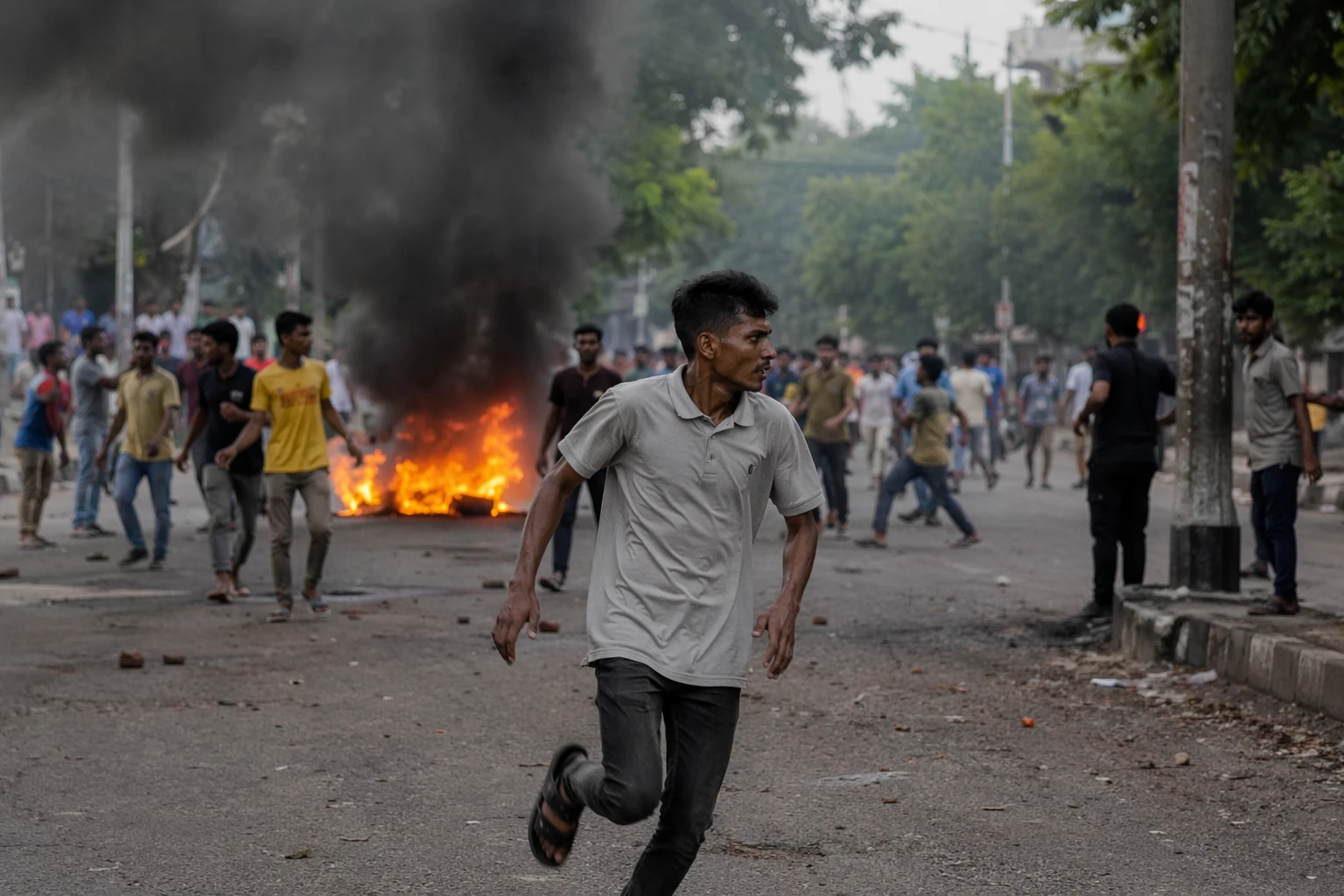
That mandate has quickly been tested. Rights groups and policy analysts said the persistence of killings pointed to deeper problems than one party’s return to power. Weak law enforcement, entrenched political networks and a culture of impunity continued to shape local disputes, particularly outside the capital, where activists and organizers remained exposed to intimidation and retaliation. AFP reported that the government came to power promising to end state-backed violence, but six months later the killings had not stopped.

The scale of broader abuse remained visible in the figures ASK released for the post-uprising period. The group documented at least 124 mob killings between June and August 2025, underscoring that insecurity had extended beyond party clashes and into crowd violence, custody deaths and other forms of abuse. Human Rights Watch said in March that Rahman had an opportunity to lock in lasting human-rights reforms, and nine rights groups pressed his government to act on arbitrary detention, disappearances, extrajudicial killings, torture and security-sector reform.
The government disputed the casualty totals, saying some of the deaths being counted were old cases that were only now being reported. Even so, the figures have become a direct test of whether Bangladesh’s transition after Hasina can produce more than a a of rulers. With the February vote already praised as unusually credible, the continuation of killings has raised a harder question: whether the state can actually control violence, or whether old patterns will keep surviving each a in office.
Sources
- [1]france24.com
- [2]iiss.org
- [3]chathamhouse.org
- [4]thestar.com.my
- [5]askbd.org
- [6]hrw.org
- [7]kennedyhumanrights.org
- [8]carnegieendowment.org