Business
Bank of America CEO discusses World Cup boost, inflation and Fed rates
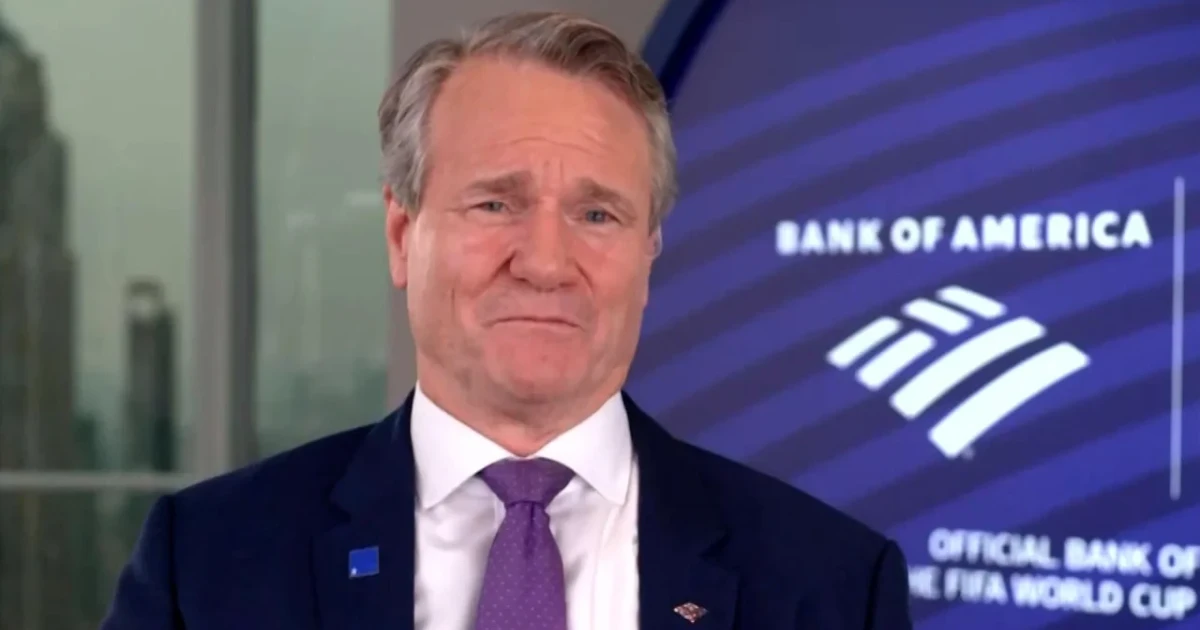
Bank of America CEO Brian Moynihan used a July 16 interview with Margaret Brennan to argue that the 2026 World Cup is giving the real economy a lift just as inflation remains hot and the Federal Reserve holds rates above the level many borrowers want. The conversation aired in part July 19, two days after Bank of America reported second-quarter results, and it came as June consumer prices rose 3.5% from a year earlier.
The World Cup has become more than a sports story for Bank of America. CBS News described the tournament as an economic boon for host cities across the United States, Canada and Mexico, and Bank of America’s own consumer data showed a sharp pickup in spending heading into the summer. Total credit and debit card spending rose 6.3% year over year in June, the strongest growth in more than four years, while May spending had already climbed 5.1%, the fastest pace in nearly four years.

That strength matters because Moynihan has been signaling a consumer that is still spending but acting more carefully. In earlier CBS News coverage, he said consumers were “more cautious” amid Trump policies. Even so, the bank’s internal data suggest households have not pulled back sharply: the June spending gain was driven largely by discretionary purchases after gasoline prices fell, and Bank of America said some of the lift likely came from online promotions and the FIFA World Cup 2026.

The same data set points to a labor market and small-business backdrop that is softer but not broken. Bank of America Institute said small business profitability picked up along with hiring, although persistent cost pressures continued to constrain growth. Separate Bank of America research published in March found median checking and savings balances remained above inflation-adjusted 2019 levels through February, a sign that many households still had a cushion even as prices and borrowing costs stayed elevated.
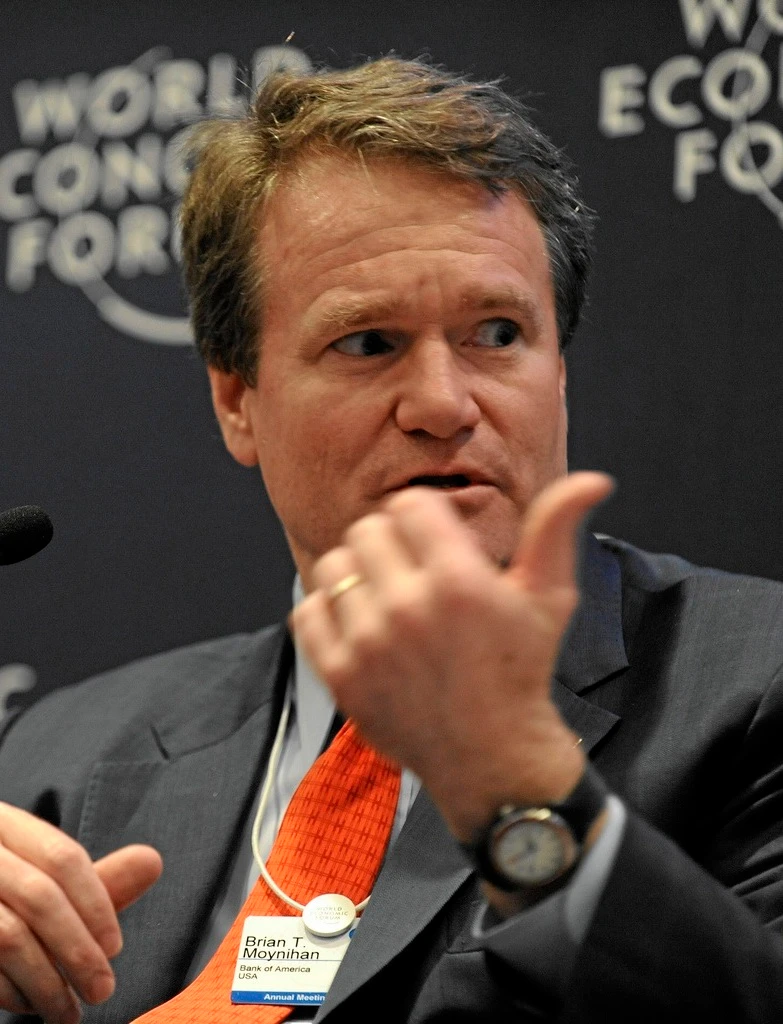
Moynihan has also used his platform to push the Fed. In prior comments, he warned that the market would “punish people if we don’t have an independent Fed” and urged the central bank to cut interest rates in September. That message sits uneasily beside June’s 3.5% inflation reading, which keeps pressure on Jerome Powell and his colleagues to balance slower growth risks against the chance that price gains stay sticky. For consumers, the contrast is clear: spending is still holding up, but the cost of carrying debt remains high until rates come down.