Business
Bank of England holds rates as Iran war clouds inflation outlook

The Bank of England left interest rates unchanged at 3.75%, sending a clear signal that the inflation risk tied to the war in Iran had not faded enough to justify a cut. The Monetary Policy Committee voted 7-2, with two members backing an increase to 4%, even after global energy prices slipped from their immediate spike and remained volatile.
Policymakers said the damage to prices was already working its way through the economy. UK consumer price inflation had fallen to 2.8%, but the Bank said it expected it to rise again this year as higher energy costs feed into household fuel and utility bills, business expenses and potentially wages. The Bank also said a prompt end to the conflict and the reopening of the Strait of Hormuz could reduce the shock, while a prolonged period of high energy prices could force borrowing costs higher.
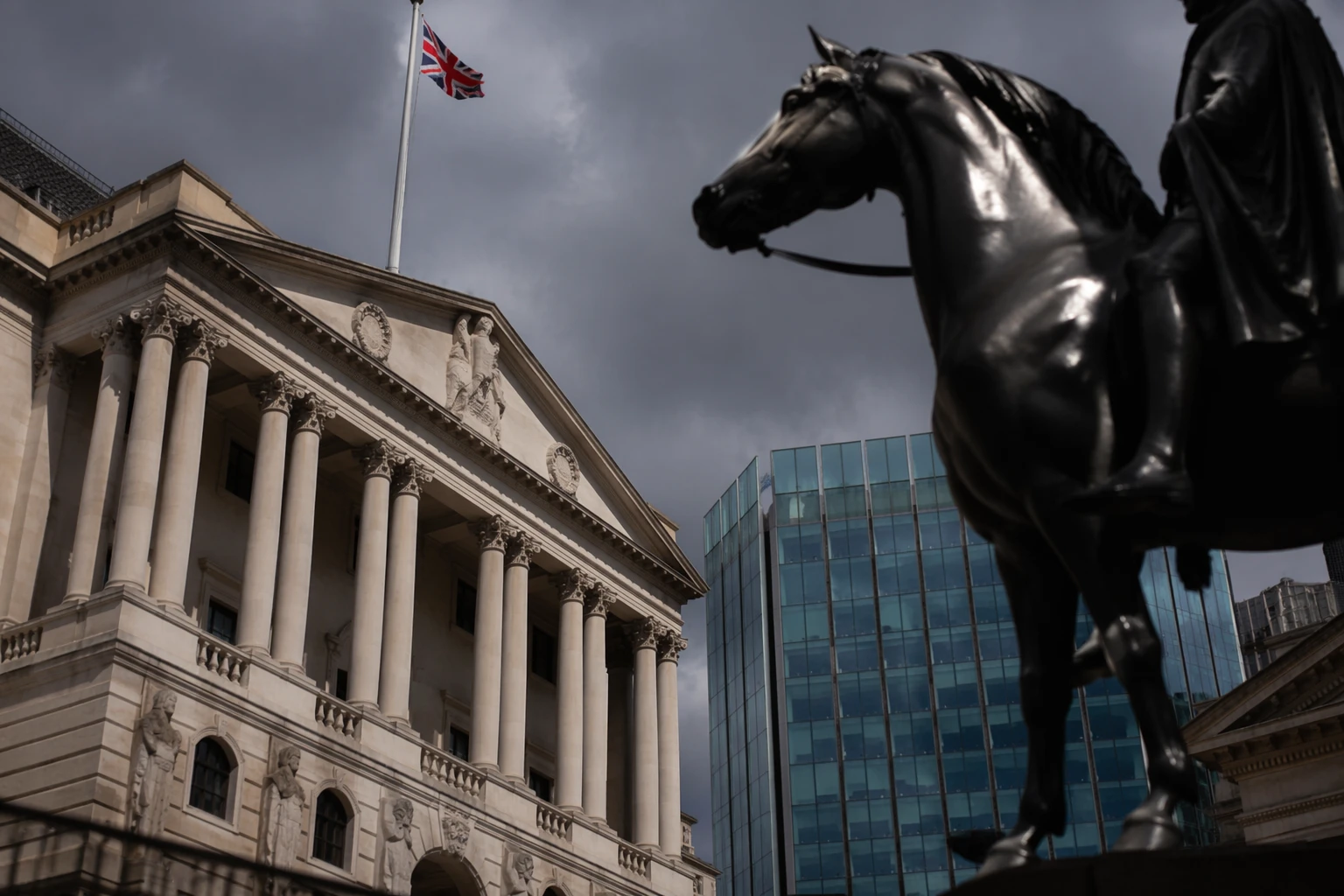
The latest hold extended a line the Bank has been tracing for months. At its April 29 meeting, the committee voted 8-1 to keep Bank Rate at 3.75%, with one member arguing for a move to 4%. In March, the Bank said the Middle East conflict had caused a significant increase in global energy and other commodity prices, a warning that was sharpened in late May when Governor Andrew Bailey said the shock would push up inflation and weigh on activity, with the scale depending on how the situation in the Middle East evolved.
The June decision also showed how firmly officials are resisting any rush to ease policy while the inflation outlook is unsettled. All 65 economists in a Reuters poll conducted from June 5 to June 12 expected no change on June 18, but nearly 40% still expected at least one rate hike later in 2026. Separate Reuters reporting on June 12 said British consumers’ long-term inflation expectations had hit a record high after the war pushed energy prices higher, reinforcing the Bank’s concern that the shock may outlast the diplomatic breakthrough.
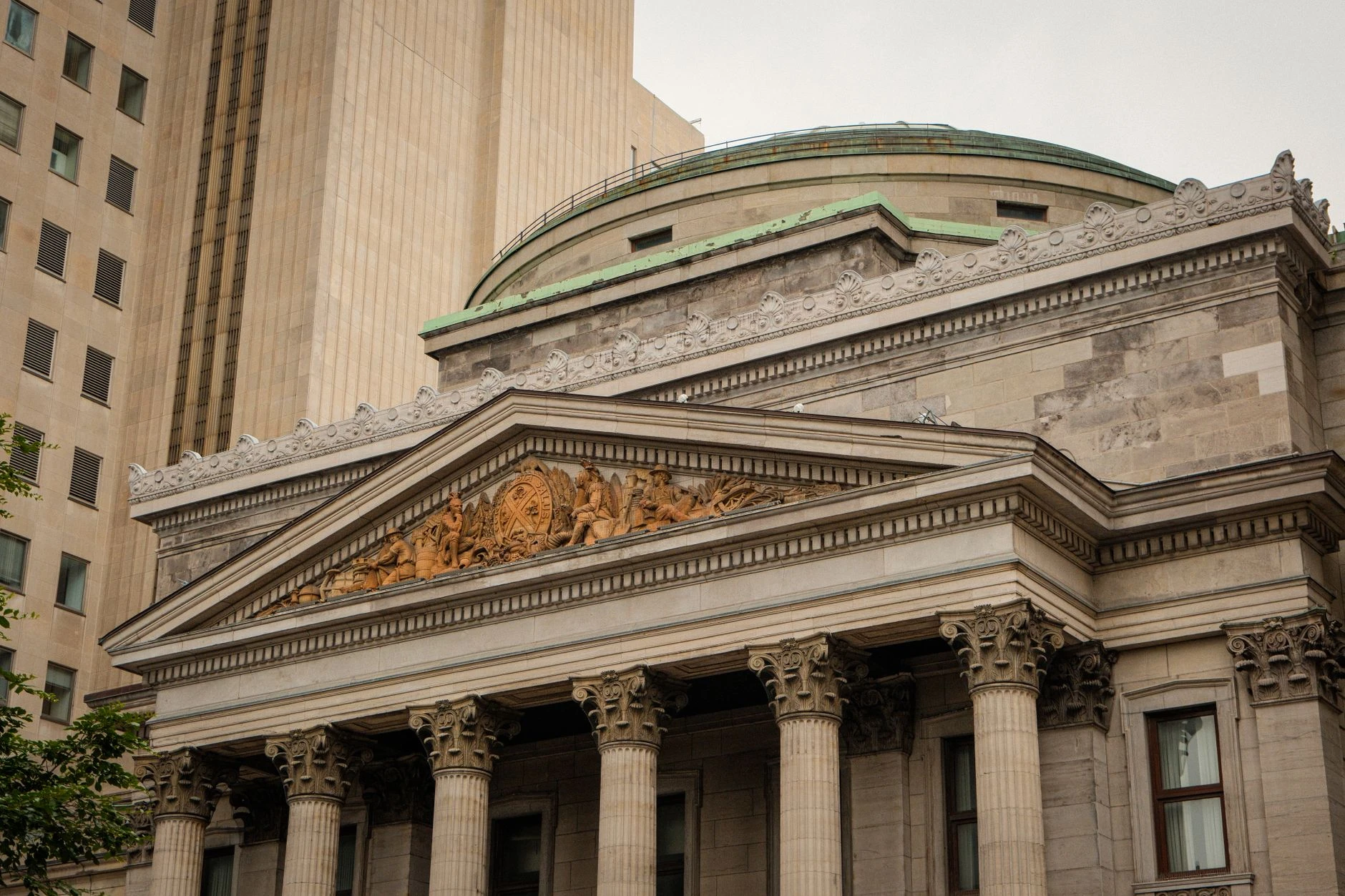
For households, that means the pain may come not just from petrol and power, but from a broader squeeze on prices and pay. The Bank said it stood ready to act as necessary to keep CPI inflation on track to return to its 2% target in the medium term, a reminder that policymakers are still more worried about embedded price pressure than about delivering relief.