Business
Bank of England holds rates, policymakers split over inflation outlook
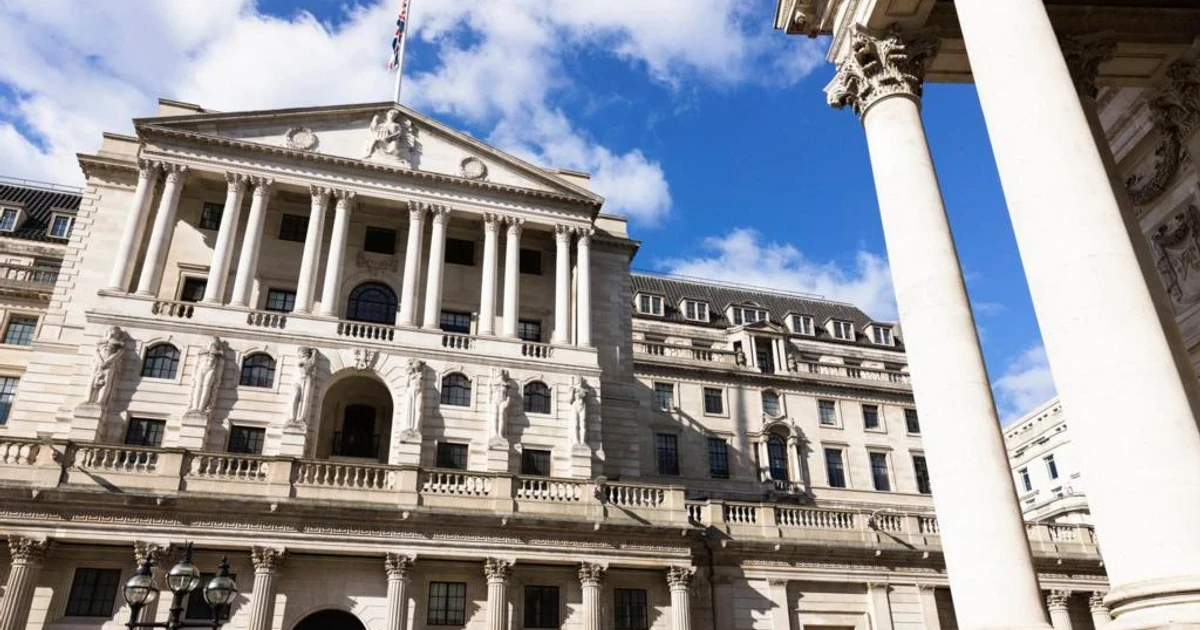
The Bank of England held Bank Rate at 3.75%, but the 7-2 split on the Monetary Policy Committee laid bare a central dilemma: whether falling energy prices are a genuine sign of relief or only a pause before inflation flares again. Two members voted for a 0.25 percentage-point rise to 4%, showing that policymakers still disagree sharply on how much risk remains in the UK price outlook.
The committee’s minutes showed that Governor Andrew Bailey and several colleagues saw the recent drop in global energy prices as helpful, yet not enough to remove the danger that inflation stays elevated for longer than expected. The Bank said those prices had fallen since the previous meeting because of events in the Middle East, but they remained above pre-conflict levels and volatile. It also said inflation stood at 2.8% in May 2026 and was expected to rise later this year, a warning that the energy shock has not fully worked through the economy.
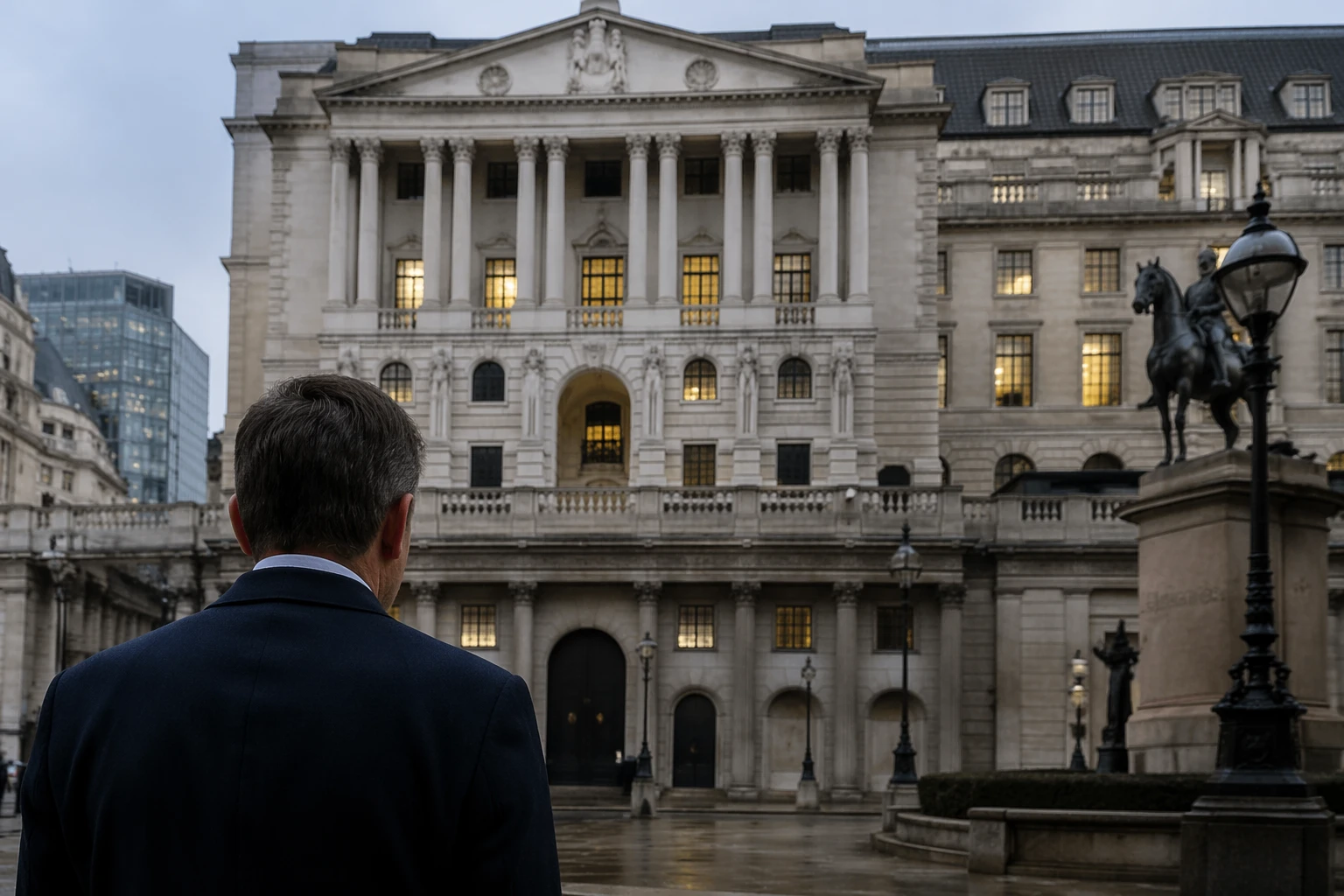
The split went beyond the size and timing of any move. Deputy Governor Sarah Breeden argued that policy should move early if second-round effects begin to look likely, while external member Catherine Mann said waiting too long could let inflation expectations become entrenched. On the other side, Swati Dhingra and Alan Taylor said they did not see a convincing case for raising rates preemptively without stronger evidence of persistent price pressure. The minutes also said six members, including Bailey, Breeden, Dhingra, Clare Lombardelli, Dave Ramsden and Taylor, saw further evidence that underlying disinflation had been on track before the conflict, even as disagreement persisted over the risk from energy and expectations.
For households and businesses, the message is that the next move is still data-dependent. A rate cut would likely require clearer proof that inflation is cooling in a sustained way and that the energy shock is fading without spilling into wages and prices. A delay would follow if energy costs stay volatile, if inflation expectations rise, or if policymakers conclude that second-round effects are taking hold. For mortgage borrowers and other rate-sensitive borrowers, that means relief is not imminent, and for sterling, it means markets are likely to keep treating the Bank as cautious rather than committed to easing.
The Bank said it is trying to ensure the adjustment to higher energy prices happens in a way that delivers the 2% inflation target sustainably. That stance puts London on a similar footing to Washington for now, after the Federal Reserve also held rates at its June 16-17 meeting. The next Bank of England rate decision is due on July 30, and that meeting will show whether the committee sees recent disinflation as durable or still fragile.