Business
Bank of Japan raises rates to 1%, highest since 1995

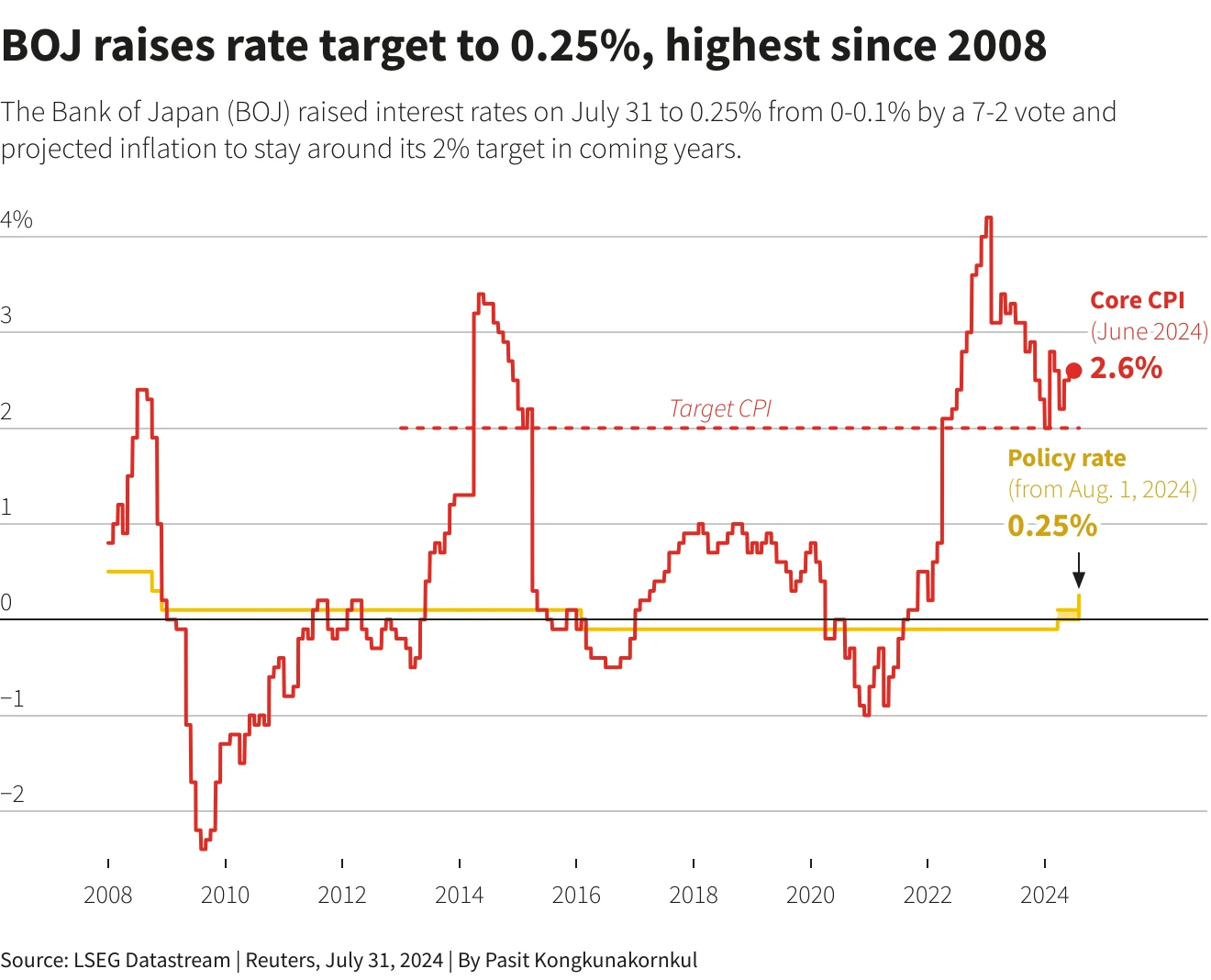
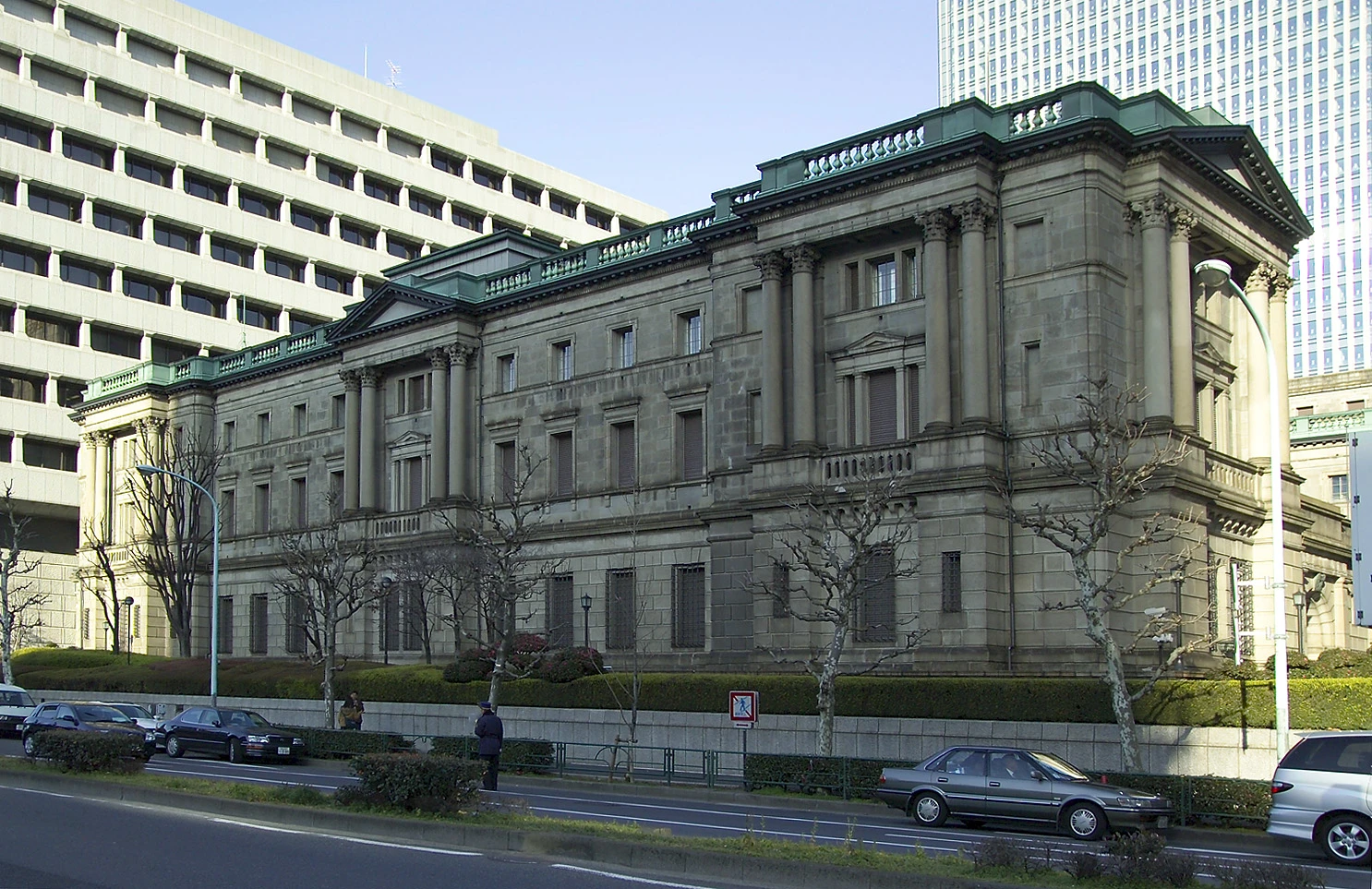
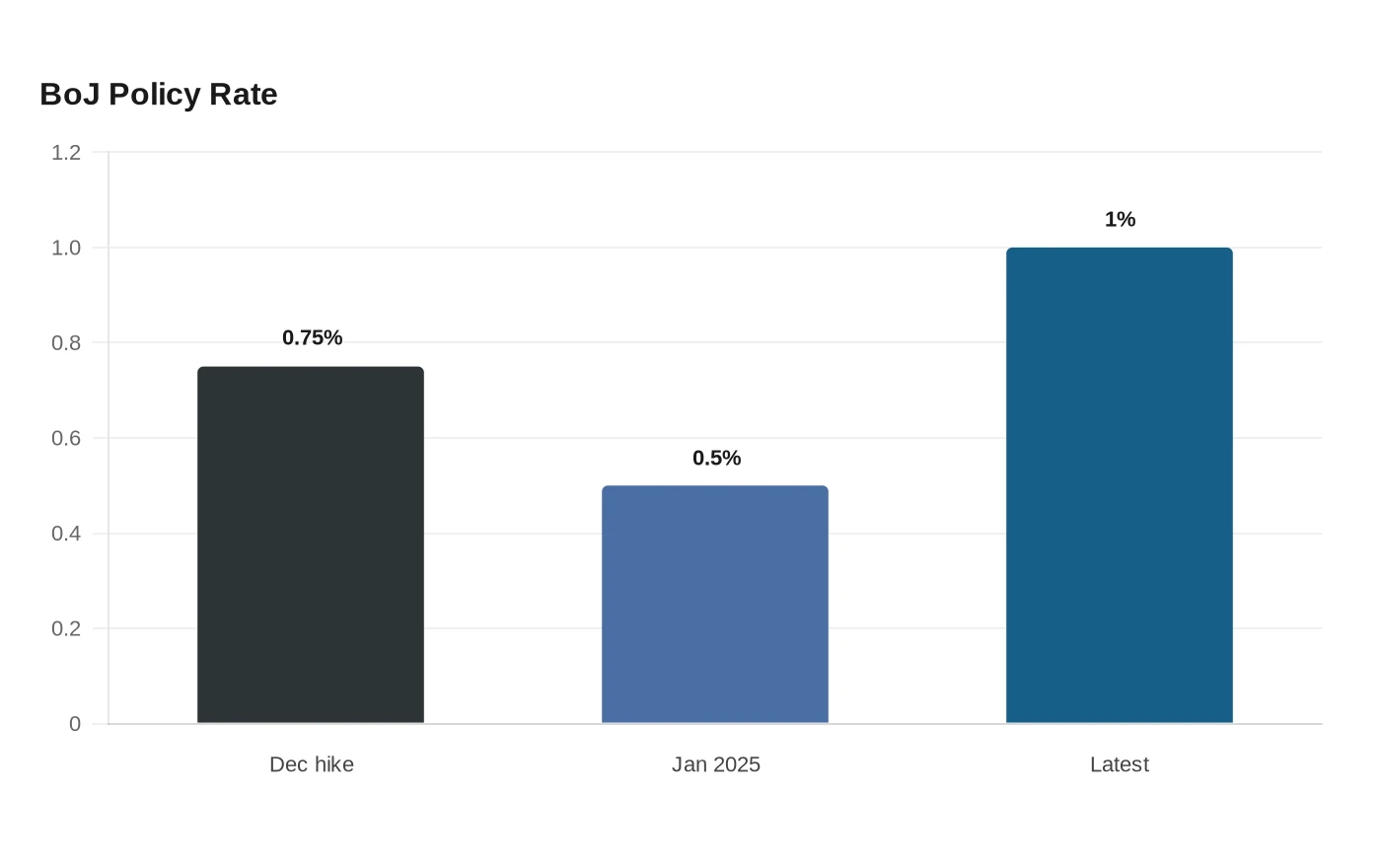
Japan's central bank lifted its short-term policy rate to 1% from 0.75%, taking borrowing costs to their highest level since 1995 and extending a normalization drive that has moved the country away from decades of near-zero money. The 7-1 decision came as the Bank of Japan said higher crude prices were working through business-to-business channels and could widen consumer price pressures.
The move matters well beyond Tokyo because Japan's long stretch of ultra-low rates helped make the yen a global funding currency for investors chasing higher returns abroad. As that carry trade becomes less attractive, demand for foreign assets, including U.S. Treasuries, can cool and borrowing costs can rise across markets that have grown used to cheap Japanese money. The shift also lines up Japan more closely with other major central banks, including the European Central Bank, that tightened policy to fight inflation.
The Bank of Japan said medium- and long-term inflation expectations had continued to rise, increasing the risk that underlying inflation could move above its target. That warning reflects how different the environment has become from the deflationary years that followed the collapse of Japan's asset bubble in the early 1990s, when the central bank spent years pinned near or below zero. The latest increase followed a December hike to 0.75%, itself described as the highest since 1995.
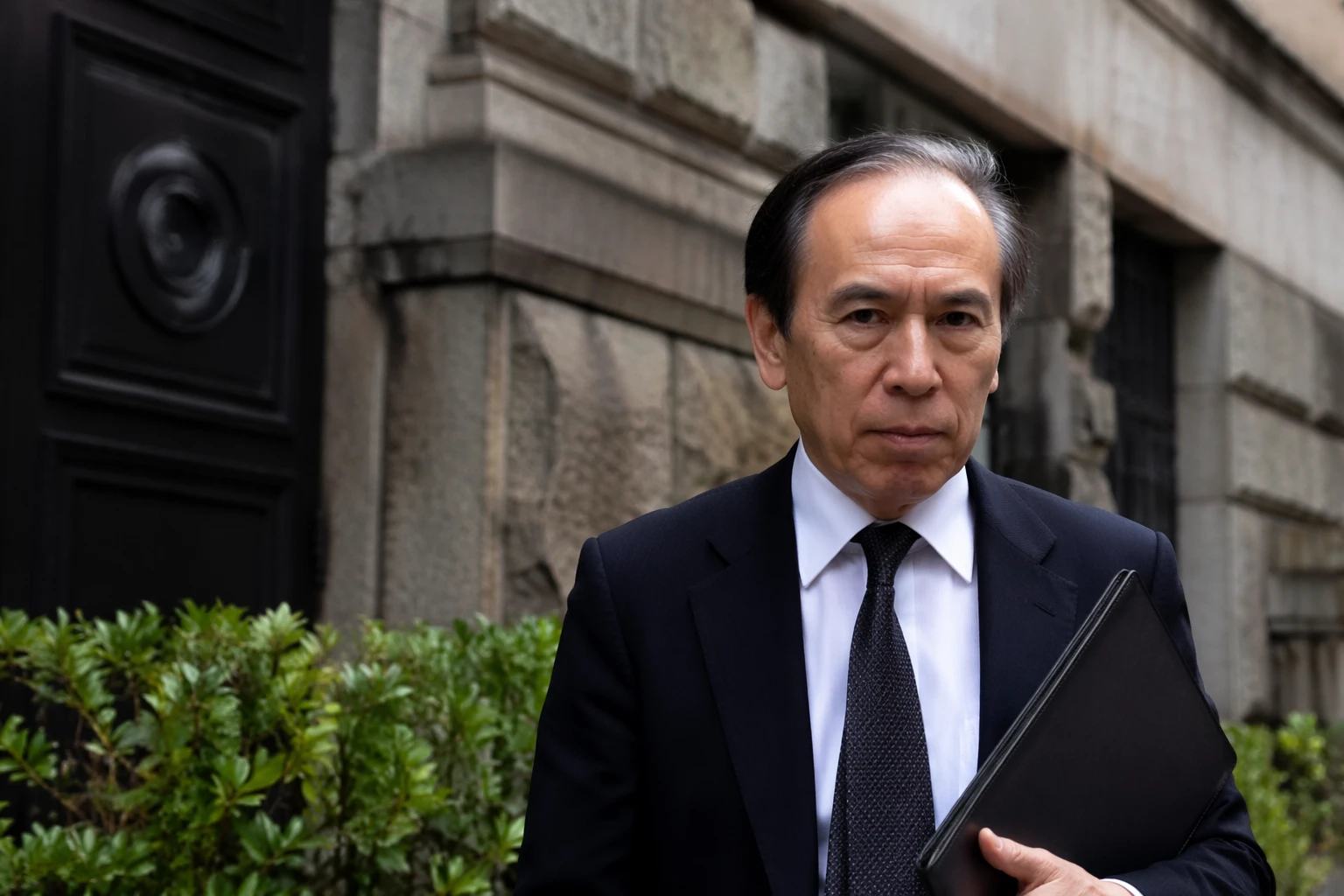
Governor Kazuo Ueda missed the meeting because he was receiving treatment for an infected liver cyst. BOJ board member Toichiro Asada dissented, arguing that downside risks to growth from the Middle East conflict outweighed the inflation threat. Officials also kept buying about 2 trillion yen in Japanese government bonds each month and paused a planned bond taper from next April, signaling that policy normalization would remain gradual even as rates rise.
Markets took the move in stride. The Nikkei 225 climbed as much as 1% to a record above 70,000, the yen edged up to around 160.215 per dollar, and the 10-year Japanese government bond yield rose to about 2.61%. The muted reaction suggested investors had already priced in further tightening after Japan's January 2025 hike to 0.5%, when the bank moved in an 8-1 vote and said wages and prices needed to reinforce each other in a "virtuous cycle."
Wage trends remain central to the BOJ's case. Rengo, Japan's main trade-union confederation, said 2025 pay gains needed to exceed last year's 5.1% because real wages were still falling. With inflation still tied to energy and wage growth still under scrutiny, the BOJ is signaling that Japan's era of emergency-era money is ending, even if the pace of increases stays measured.
Sources
- [1]bbc.com
- [2]finance.yahoo.com
- [3]cnbc.com
- [4]asahi.com
- [5]boj.or.jp
- [6]tbsnews.net