World
Bank of Japan raises rates to 1.0% as yen weakens
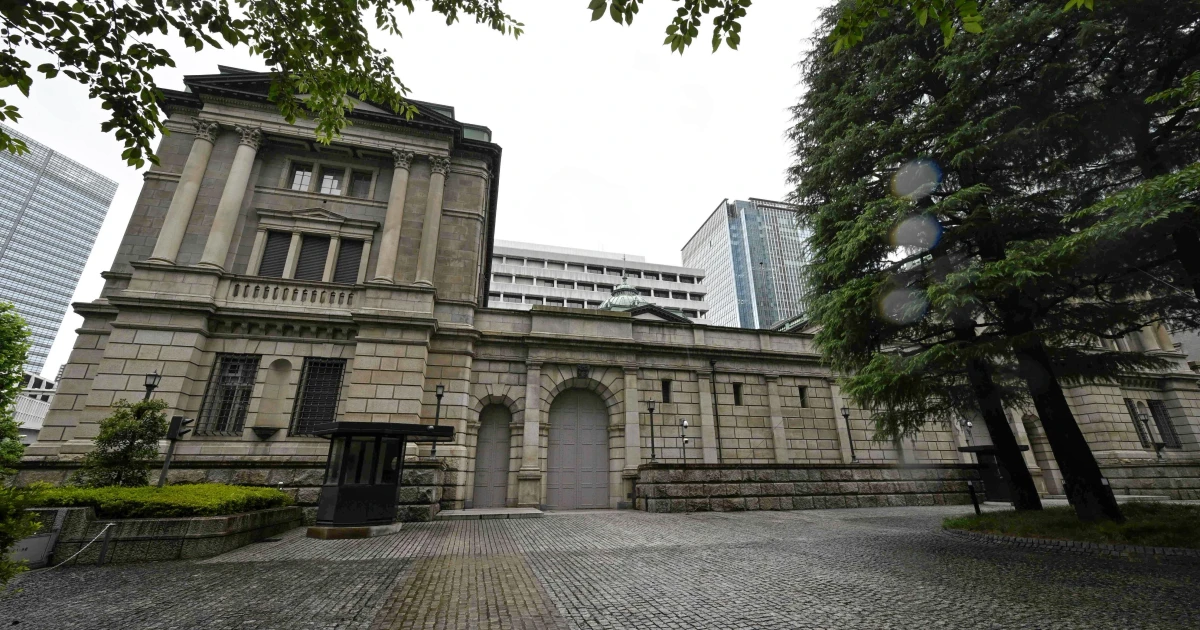
The Bank of Japan pushed its benchmark short-term interest rate to 1.0% on June 16, lifting borrowing costs to their highest level since 1995 and marking its first increase since December 2025. The move signaled that the central bank is now willing to absorb political heat in Tokyo in order to confront stubborn inflation, a weak yen and higher imported costs.
The decision came in a 7-1 vote, with board member Toichiro Asada dissenting and arguing for no change at 0.75%. The June 15-16 policy meeting was also the first regular Bank of Japan session held without Governor Kazuo Ueda in attendance, a procedural break that underscored the unusual moment the institution faced as it moved further away from years of ultra-low rates.
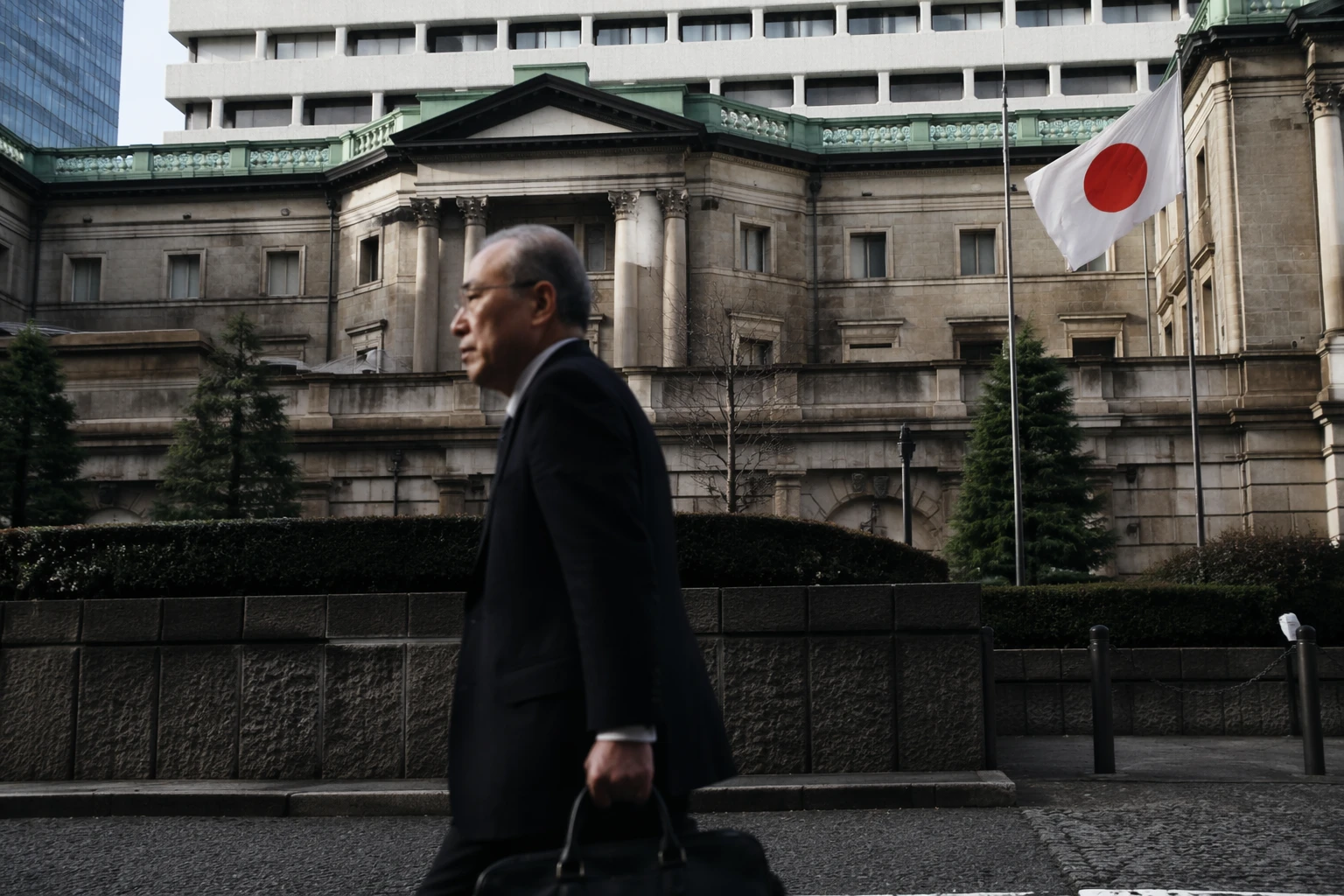
The yen’s weakness has been a central driver of the shift. A softer currency has made imports more expensive and fed broader price pressure at a time when Japan is already feeling the effects of higher energy costs tied to the war in Iran. In April, the Bank of Japan warned that Japan’s fiscal 2026 growth was likely to decelerate because rising crude oil prices linked to Middle East tensions would squeeze corporate profits and reduce households’ real income.

That same April Outlook Report also warned policymakers to watch closely for the risk of inflation deviating significantly upward. The central bank’s June policy materials showed that before the hike it had been aiming to keep the uncollateralized overnight call rate around 0.75%, a level that now looks like the latest waypoint in a tightening cycle rather than a ceiling.

The rate increase put fresh focus on how far Japan is willing to normalize policy after decades of accommodation. Market expectations had already been shifting toward more rate hikes later in 2026 if inflation stays elevated and the yen remains under pressure, suggesting the June decision may prove less like an endpoint than the start of a more conventional inflation-fighting phase.
Sources
- [1]nytimes.com
- [2]msn.com
- [3]cnbc.com
- [4]boj.or.jp
- [5]reuters.com