World
Bank of Japan raises rates to 31-year high amid inflation fears
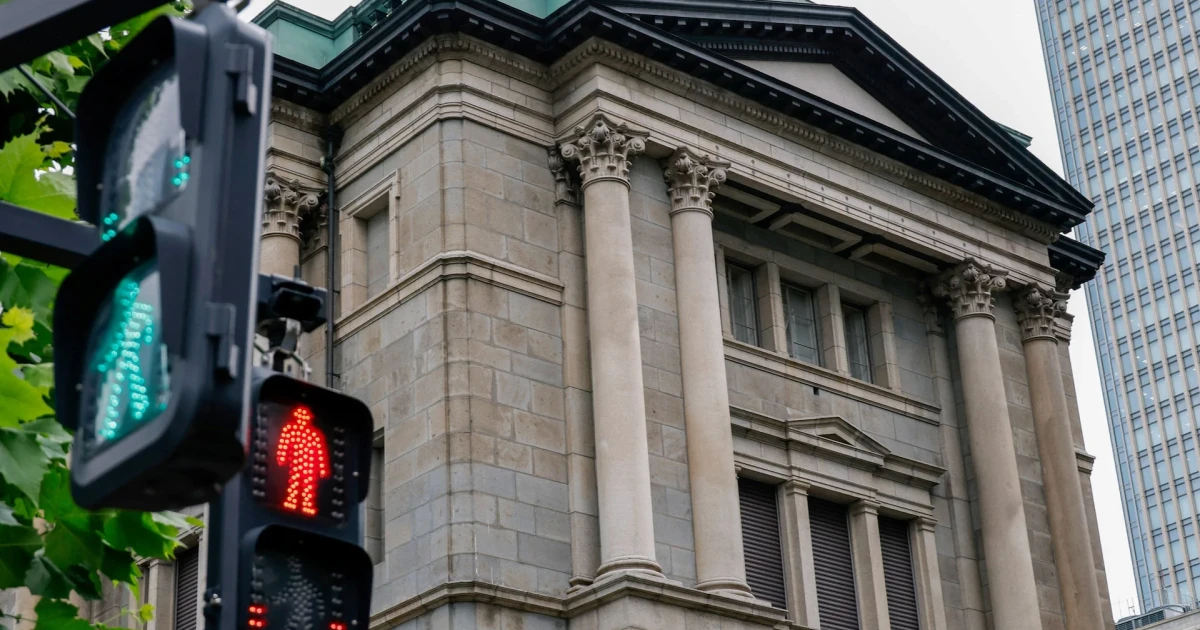
Japan’s central bank pushed borrowing costs to a 31-year high, raising its policy rate from 0.75% to 1.0% and signaling that the long era of ultra-low Japanese rates is giving way to a more forceful fight against inflation. The decision, taken on June 16, was the first increase since December 2025 and came with a 7-1 vote, with board member Toichiro Asada dissenting in favor of holding rates.
The Bank of Japan said the uncollateralized overnight call rate would be encouraged to remain around 1.0% after the move. Governor Kazuo Ueda had already prepared markets for the shift, saying on June 3 that even if conditions in the Middle East stayed unclear, the bank would still consider a hike if upside price risks outweighed the risks to economic activity. That balancing act reflected a policy debate shaped by war in the Middle East, surging crude prices and a yen that has weakened enough to feed imported inflation.
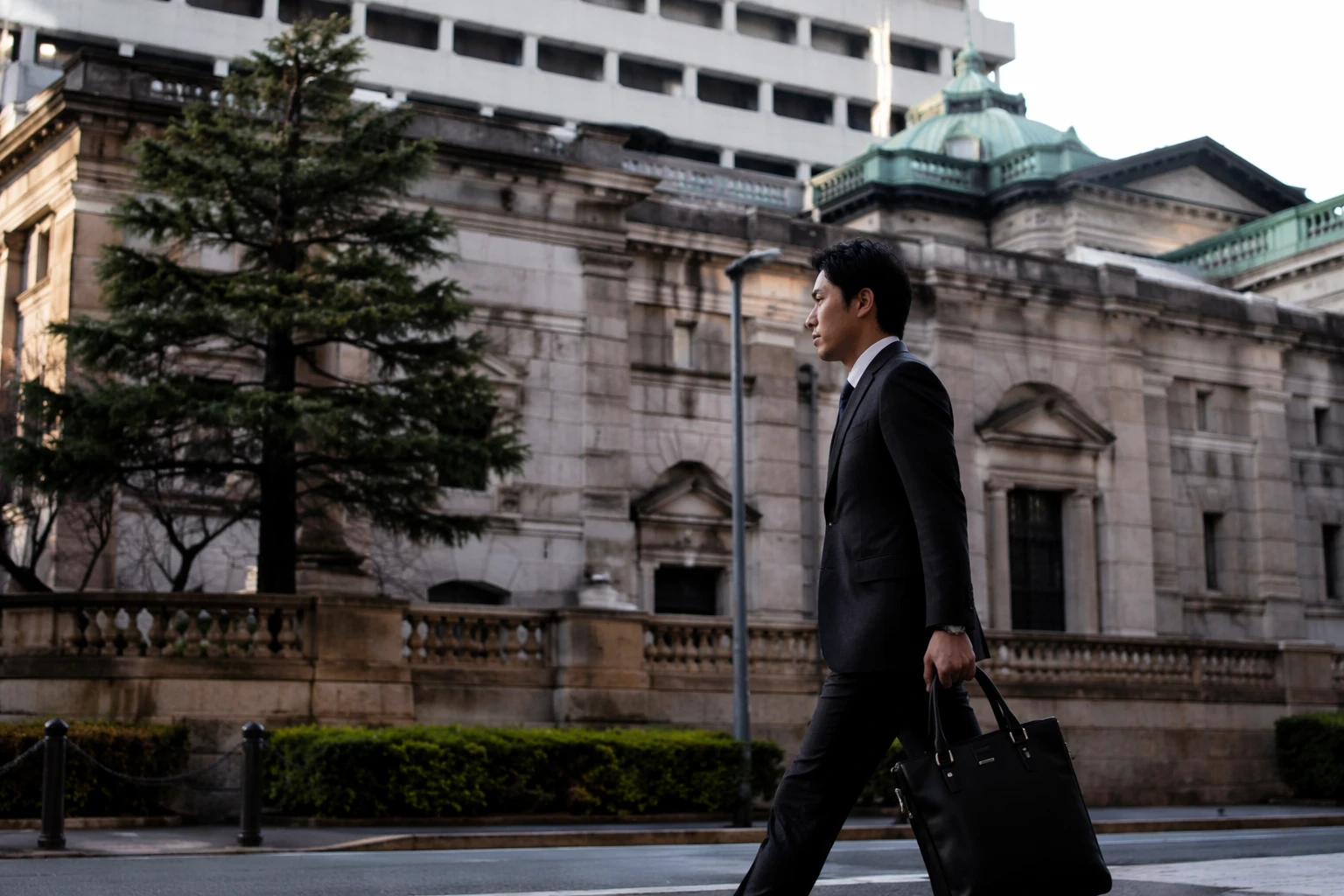
The central bank’s April outlook made the pressure plain. It cut its fiscal 2026 growth forecast to 0.5% from 1.0% and raised its core inflation forecast to 2.8% from 1.9%, underscoring how quickly higher energy costs and currency weakness have altered the economic picture. Reuters reported that wholesale inflation in May accelerated at the fastest pace in three years, broadening the effects of the shock from energy markets into the wider economy.

The move also carries global weight. For decades, Japan’s near-zero rates helped drive currency flows, funded carry trades and kept downward pressure on borrowing costs abroad. As Tokyo steps away from that model, investors are watching for spillovers into U.S. bond markets, where shifts in Japanese demand can affect Treasury pricing and broader financing conditions. The policy change also adds pressure to a weak yen at a moment when global markets are still sensitive to every turn in energy prices and every sign that inflation is becoming more entrenched.
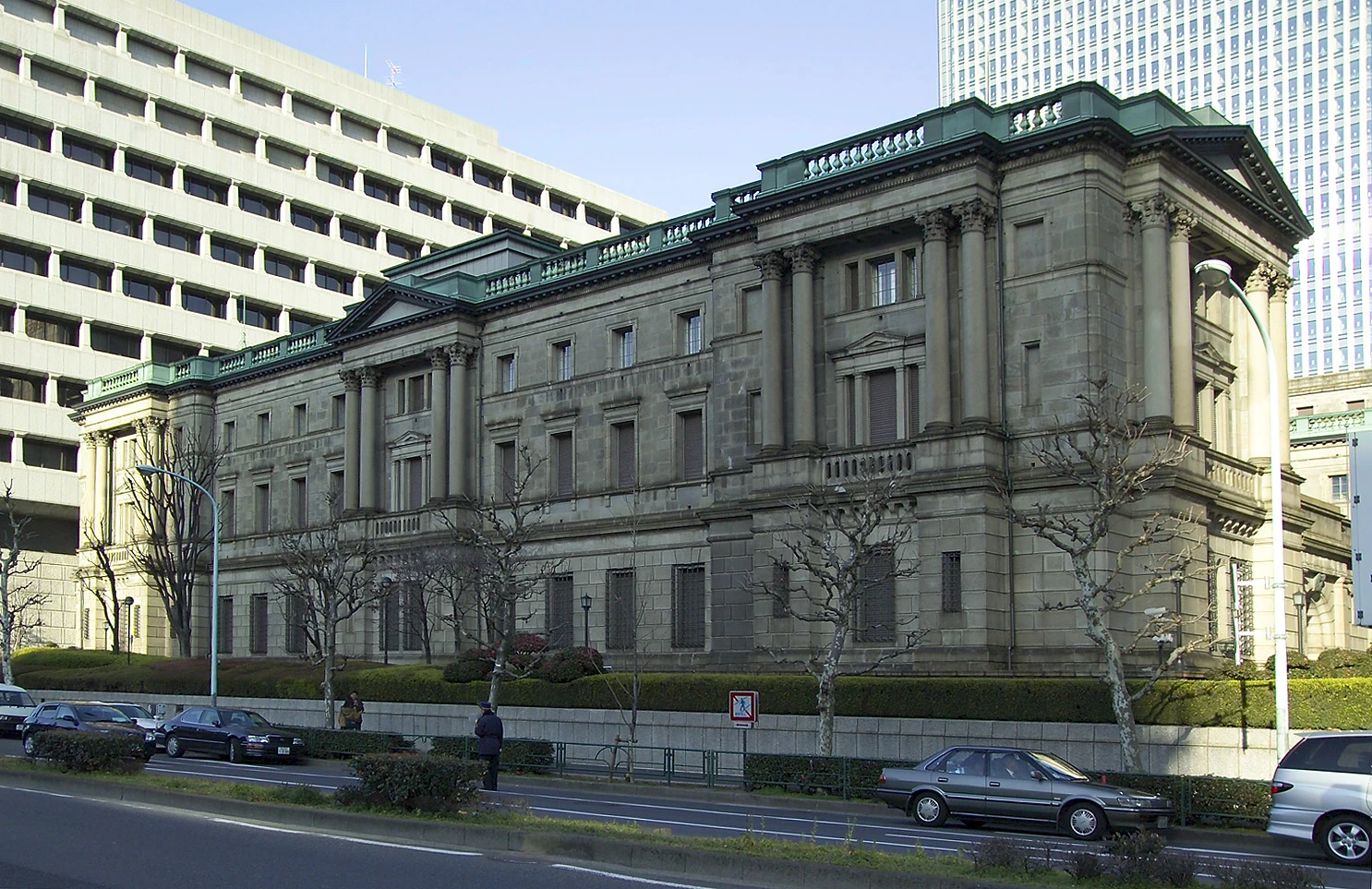
The Bank of Japan’s next policy meeting is scheduled for July 30-31, and markets will be watching whether this hike marks a pause or the start of another gradual move away from three decades of extraordinary monetary support.
Sources
- [1]news.google.com
- [2]nytimes.com
- [3]cnbc.com
- [4]boj.or.jp
- [5]money.usnews.com