Business
Bank of Japan warns AI investments and Middle East tensions could shake system
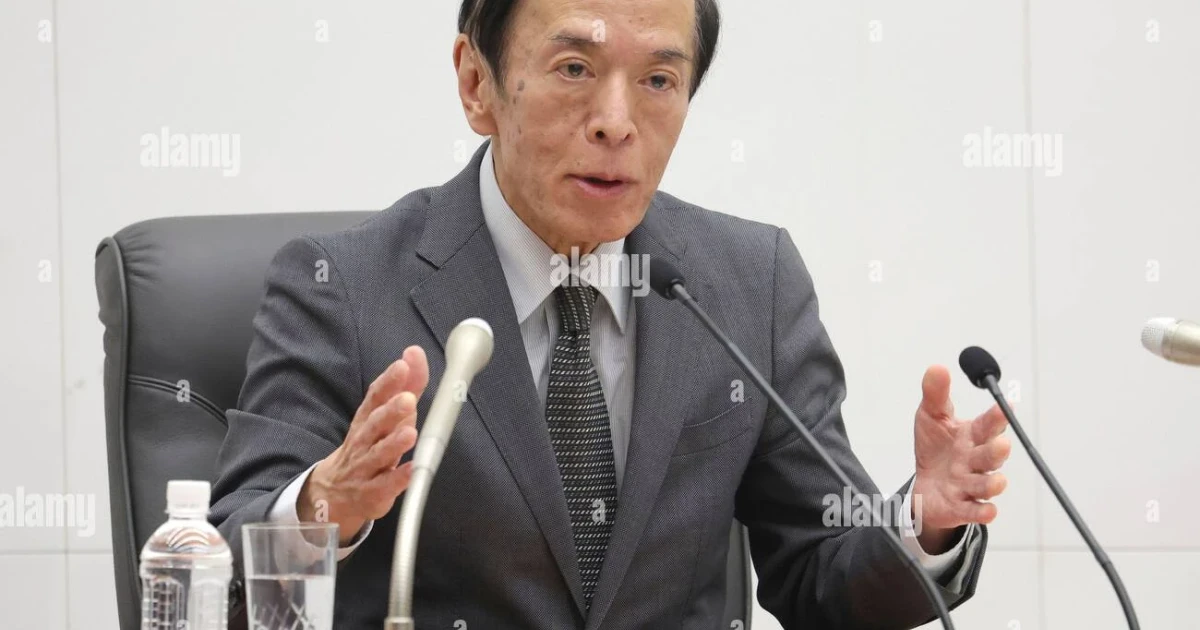
Bank of Japan Governor Kazuo Ueda warned on Wednesday that Japan’s next financial stress point could emerge from Middle East developments, the profitability of AI-related investments and overseas non-bank activities, not just from the country’s traditional banking system.
His remarks, read out by Deputy Governor Ryozo Himino at an annual meeting of trust unions, said Japan’s financial system remains stable as a whole.
On May 22, the Financial Services Agency and the Bank of Japan issued a request to financial institutions on short-term measures for frontier AI threats after an April 24 public-private coordination meeting and a May 14 working group that brought together financial institutions, IT service providers, government bodies and the BOJ. Frontier AI can speed up and widen cyberattacks by helping identify vulnerabilities and generate exploit code faster, and even inexperienced attackers may be able to use the technology for more sophisticated intrusions.
The BOJ’s April 21 Financial System Report flagged a broader market alert. Crude oil prices surged and asset prices and long-term interest rates fluctuated significantly after tensions in the Middle East intensified from the end of February. The performance of major foreign high-tech stocks and the loan and investment activities of foreign non-bank financial intermediaries drew close attention, with hedge funds among the foreign NBFIs increasing their presence in Japan and globally.

Japanese banks expanded lending both at home and abroad, including more credit to foreign investment funds and faster real-estate-related lending as property prices continued to rise. Financial intermediation continued to function smoothly.
In a June 3 speech in Tokyo, Ueda said heightened tension in the Middle East had significantly affected the environment for economic activity and prices in Japan and abroad. He said Japan depends on the Middle East for more than 90% of its crude oil and that imports of mineral fuels accounted for about 3% of Japan’s nominal GDP last year. He also said the current oil shock was smaller than the first oil crisis, but comparable with later episodes such as the 1970s oil shocks, the mid-2000s commodity surge and the 2022 spike after Russia’s invasion of Ukraine.
Sources
- [1]money.usnews.com
- [2]boj.or.jp
- [3]fsa.go.jp