Politics
Banking Industry Sits Out White House Crypto Bill Talks
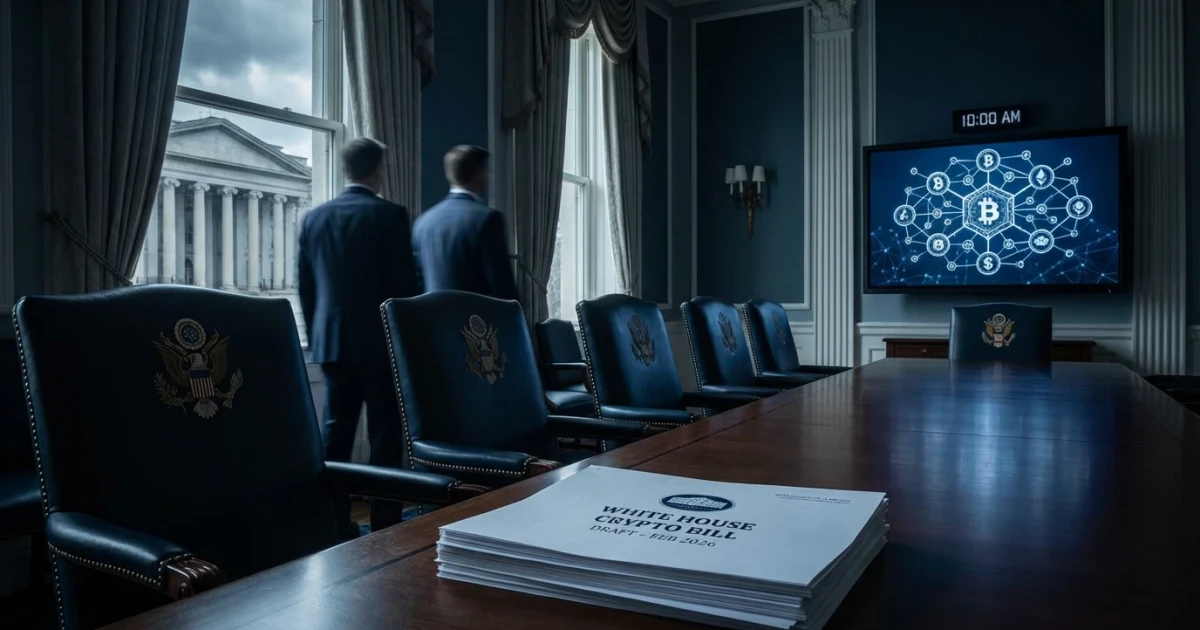
Major U.S. banks chose not to engage in the latest White House negotiations on a critical piece of crypto regulation legislation, underscoring the persistent divide between the traditional financial sector and the fast-evolving digital asset industry. The meeting, which aimed to address key regulatory frameworks for cryptocurrencies, saw notable absences from the country's leading banking institutions, according to reporting by CoinDesk.
Banks and Crypto Industry at Odds
The White House has been spearheading efforts to build consensus around the Financial Innovation and Technology for the 21st Century Act (FIT21), a bill viewed as a potential milestone in clarifying the regulatory landscape for digital assets. However, the refusal of major banks to participate in the latest round of talks signals entrenched skepticism about the risks and implications of integrating crypto more closely into the mainstream financial system.
Bankers have long voiced concerns about the volatility and regulatory uncertainty of cryptocurrencies, as well as the potential for increased compliance burdens. Guidance from regulators—including the FDIC and the Office of the Comptroller of the Currency—has emphasized the need for careful risk management by banks considering crypto activities. This cautious approach was reflected in the decision by many institutions to keep their distance from the latest policy discussions.
White House Push for Regulatory Clarity
The Biden administration has prioritized creating a clear and unified regulatory approach to digital assets, aiming to balance innovation with consumer protection and market stability. The FIT21 Act, at the center of these efforts, seeks to define oversight responsibilities for agencies such as the SEC and the Commodity Futures Trading Commission, as well as establish new rules for stablecoins, trading platforms, and custody providers.
- The bill is seen as an opportunity to address gaps in anti-money laundering measures, investor safeguards, and systemic risk monitoring.
- Proponents argue that legislative clarity will encourage responsible innovation and attract more institutional investment.
However, without the participation of the banking sector, some stakeholders warn that the resulting framework could struggle to gain traction or adequately address concerns about financial stability. Analysis from the Federal Reserve highlights the interconnected risks between crypto assets and the broader financial system, suggesting that effective regulation will require buy-in from both sectors.
Persistent Concerns Over Crypto Risks
Banks' reluctance is not without precedent. Recent years have seen a series of high-profile crypto collapses and regulatory enforcement actions, reinforcing fears about market volatility and operational risks. The Bank for International Settlements has also documented divergent global approaches to bank involvement with digital assets, with many jurisdictions imposing strict limits or outright bans.
Key concerns highlighted by banking representatives include:
- Fraud and illicit finance: Crypto transactions have been linked to money laundering and ransomware attacks, as tracked by FinCEN statistics.
- Unclear regulatory obligations: Banks worry about overlapping or ambiguous compliance requirements as agencies update their guidance.
- Reputational and operational risk: The fast-moving nature of digital assets creates challenges for risk assessment and control frameworks.
Outlook for Collaboration Remains Uncertain
The absence of major banks from the White House meeting emphasizes the ongoing challenge of uniting traditional finance and the crypto sector under one regulatory roof. While industry advocates push for legislation that supports innovation and market access, banks continue to urge caution, citing systemic risk and regulatory uncertainty.
As negotiations on the FIT21 Act continue, the gap between crypto proponents and banking institutions remains a significant hurdle. Whether future talks will bridge these differences may determine the ultimate shape—and effectiveness—of U.S. crypto regulation.