World
Barak ended Israel’s 18-year Lebanon occupation, debate returns today
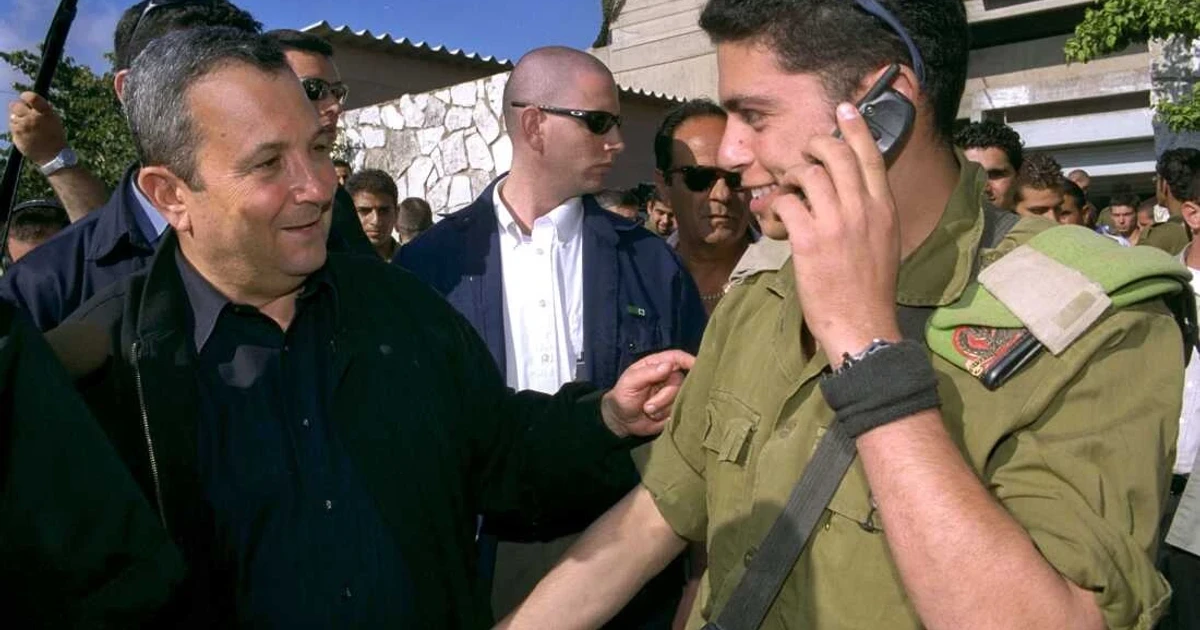
Ehud Barak’s decision to pull Israeli forces out of southern Lebanon in May 2000 ended an 18-year occupation and erased the South Lebanon Security Zone almost overnight. It also left behind a warning that has returned to the center of Israeli politics: once a temporary military presence hardens into a security zone, getting out can become far harder than going in.
Barak became prime minister in July 1999 and pledged to complete a full withdrawal by July 2000, but he moved ahead of schedule and did so unilaterally on May 24-25, 2000. The withdrawal followed Israel’s 1982 invasion of Lebanon and an earlier 1978 intervention, when the United Nations Security Council adopted Resolution 425 on March 19, 1978 and called for Israel to withdraw while creating UNIFIL to confirm the pullout and help restore peace and Lebanese authority in the south.
The withdrawal also brought down the South Lebanon Security Zone, a roughly nine-mile-wide buffer that Israel had maintained with help from the South Lebanon Army, a mainly Maronite Christian militia allied with Israel. As Israeli troops left, the militia collapsed. Fighters fled into Israel or saw their positions overrun by Hezbollah, and the scenes along the border underscored how quickly a local proxy force could unravel once the larger army decided to leave.
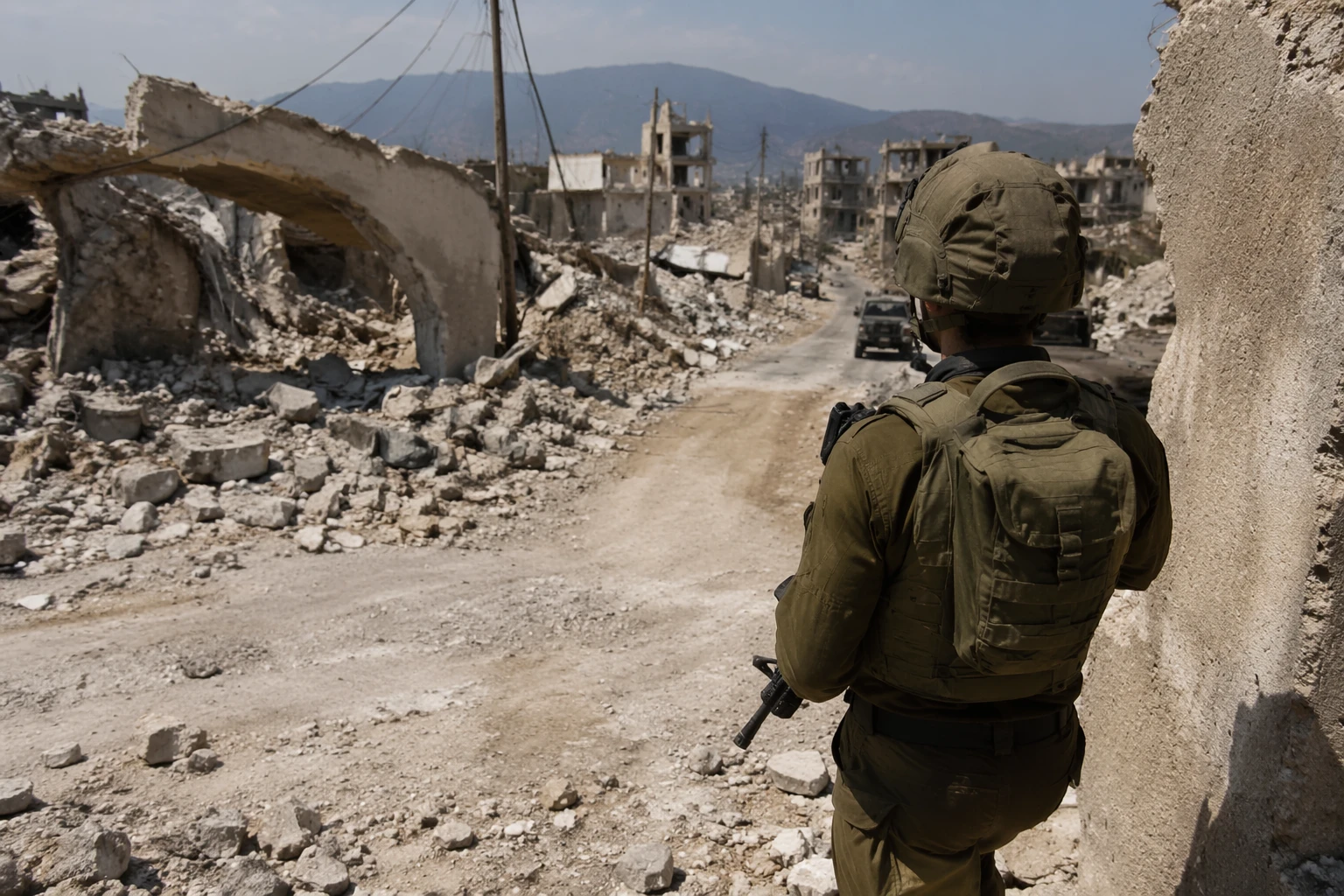
Today, Israeli troops are again in southern Lebanon fighting Hezbollah, and the old argument has reopened with new urgency. Barak has said the 18-year occupation was a quagmire Israel should not repeat, and he has argued publicly that Hezbollah became stronger because Israel stayed inside Lebanon for so long. That point now carries added weight for Israelis watching whether today’s operation is still limited or drifting toward a de facto return to the kind of open-ended security zone Barak dismantled 26 years ago.
The United Nations later identified the Blue Line in 2000 as the withdrawal line used to verify that Israel had pulled back from Lebanese territory. Israel’s foreign ministry said after the withdrawal that it had reached the international border and fulfilled Resolution 425, while Lebanon has long disputed the status of Shebaa Farms. The argument over borders, mandates and temporary deployments is no longer historical background in Israel. It is the live question raised every time a military operation begins to look less like an intervention and more like a commitment that will be much harder to end.
Sources
- [1]npr.org
- [2]wcbe.org
- [3]gov.il
- [4]unmissions.org
- [5]unifil.unmissions.org
- [6]digitallibrary.un.org
- [7]deseret.com
- [8]upi.com