World
Barbican residents fight 20-storey office block beside landmark estate
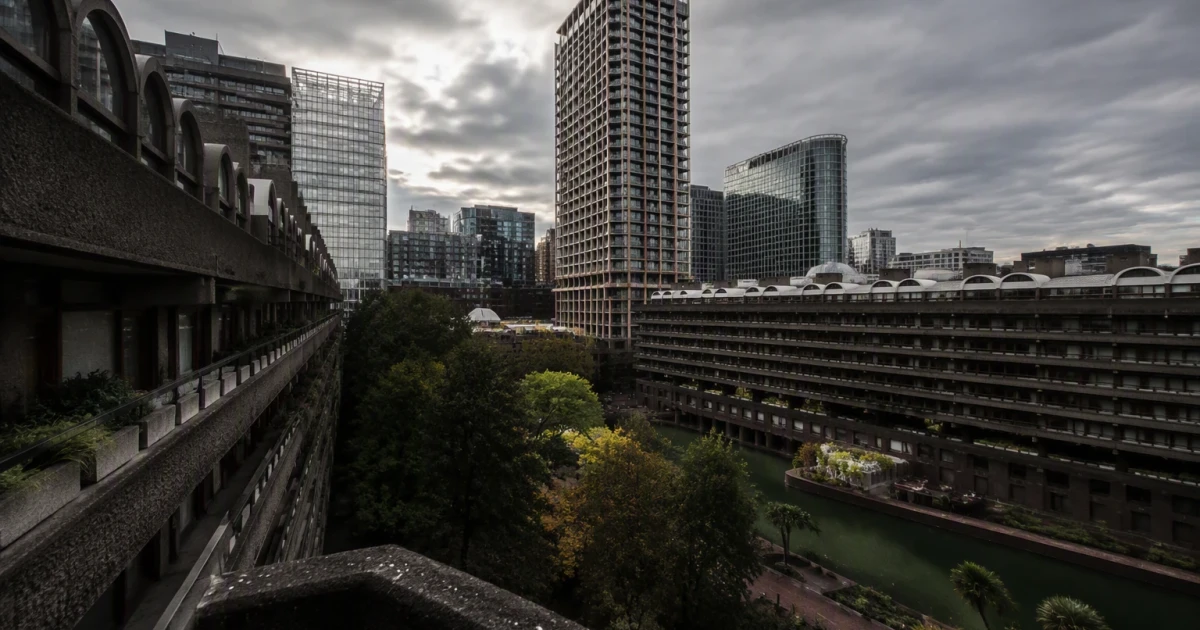
More than 1,000 objections have been lodged against a proposed 20-storey office building at 1 Silk Street, directly opposite the Barbican’s Silk Street entrance, as residents warn that the scheme would overwhelm one of London’s most famous postwar estates. Campaigners say the tower would damage sightlines, reduce sunlight and weaken the setting of a complex that has become a touchstone in the fight over what kind of growth the City of London should allow beside protected heritage.
The Barbican Estate was built on a 35-acre bomb-damaged site after World War II. Construction began in 1965 and took 11 years to complete, with Chamberlin, Powell and Bon designing the 40-acre development that now houses more than 4,000 residents in over 2,060 flats. The estate was Grade II-listed in September 2001, and Historic England has described it as one of the greatest pieces of post-war urban architecture, a status that explains why neighboring projects face such close scrutiny.
The dispute has sharpened after developers Lipton Rogers and Skidmore, Owings & Merrill scaled back the original plans in response to backlash. Reporting on the revised scheme said three storeys were cut from the western edge of the proposal, but residents still say the changes do not go far enough. One description of the updated design called it a vast “pizza box” office block, a phrase that captured the depth of local anger over a building many fear would loom over the estate rather than sit beside it.
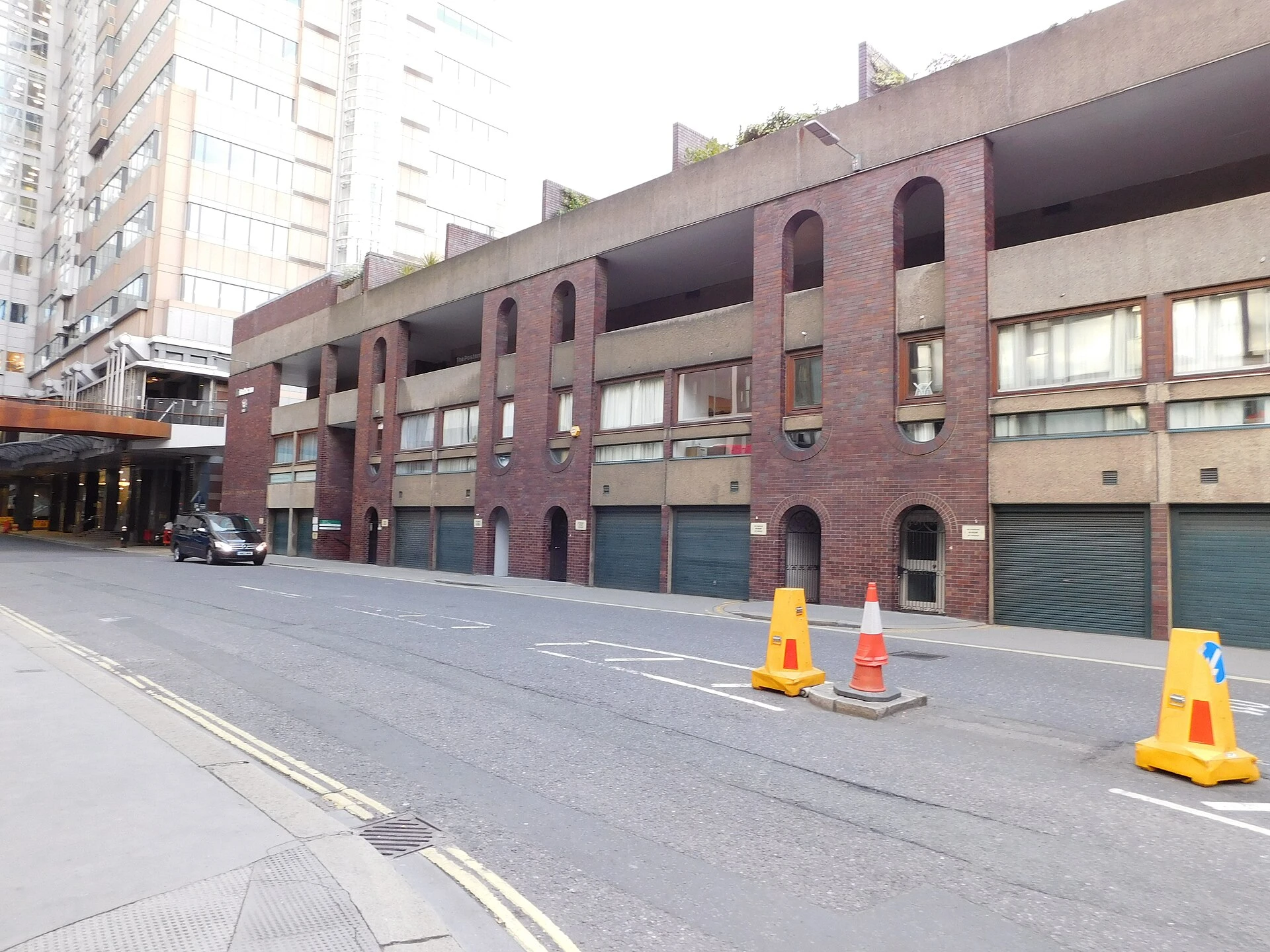
Supporters of the scheme have argued that it would bring public benefits, including a best-in-class office building, new public amenities and streetscape improvements. The developers also say the project would contribute around 7.5% of the minimum Grade A office space the City of London needs by 2040. For Barbican residents, that promise of added commercial space is colliding with a more immediate concern: whether the city’s drive for development will erode the light, views and carefully composed postwar design that made the estate nationally significant in the first place.
Sources
- [1]nytimes.com
- [2]cityoflondon.gov.uk
- [3]heritagecalling.com
- [4]standard.co.uk
- [5]mylondon.news
- [6]building.co.uk
- [7]architectsjournal.co.uk
- [8]bbc.com
- [9]ocula.com