Health
Bariatric Surgery Outpaces GLP-1 Drugs in Weight Loss
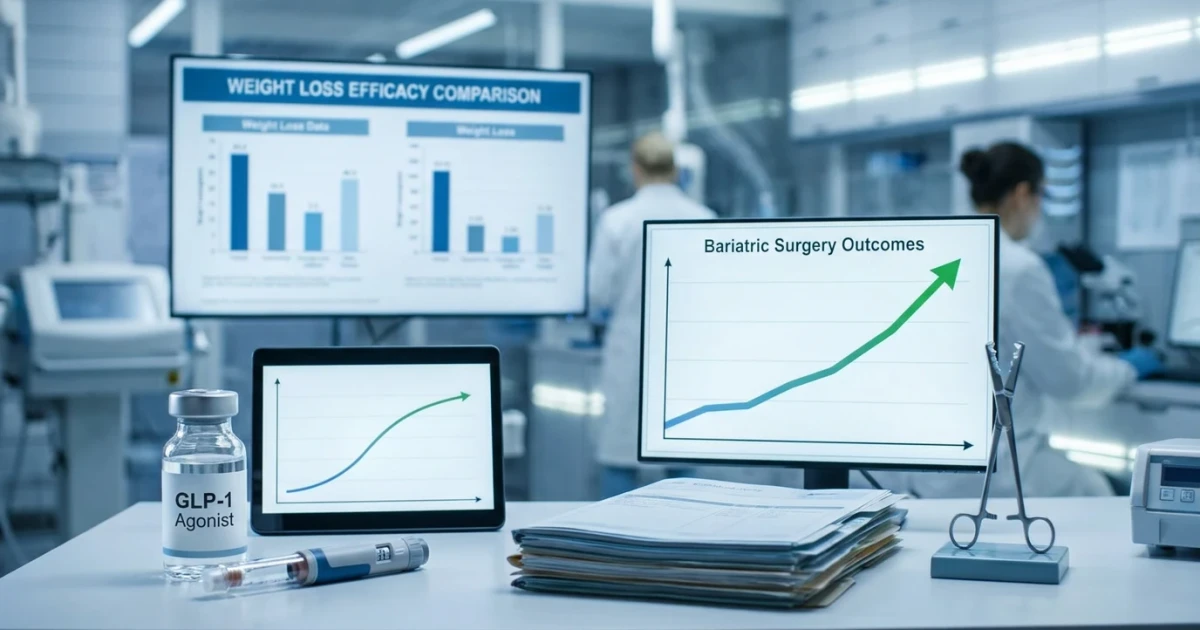
Bariatric surgery continues to deliver markedly greater weight loss outcomes compared to popular GLP-1 drugs such as Ozempic, according to new research highlighted by ScienceAlert. Despite the surge in prescriptions for GLP-1 receptor agonists, the study finds these medications are outperformed by surgical intervention, raising questions about shifting trends in obesity treatment across the United States.
GLP-1 Drugs Gain Popularity as Surgery Rates Decline
In recent years, drugs like Ozempic and other GLP-1 receptor agonists have become widely sought after for their effectiveness in aiding weight loss and managing type 2 diabetes. ScienceAlert notes that as these medications gain traction, bariatric surgery rates are dropping nationally. This marks a significant shift in patient and physician preferences, as many seek less invasive alternatives to surgical procedures.
- GLP-1 drugs have seen a steep rise in prescriptions, fueled by positive clinical trial results and FDA approvals. For a comprehensive list of FDA-approved obesity treatments, see the FDA's approved drugs for obesity treatment.
- Bariatric surgery, which encompasses procedures such as gastric bypass and sleeve gastrectomy, has long been considered the gold standard for significant and sustained weight loss in adults with obesity. Annual reports from the American Society for Metabolic and Bariatric Surgery show a recent decline in surgery rates as medication alternatives expand.
Comparative Effectiveness: Surgery Far Outperforms Medication
The research highlighted by ScienceAlert demonstrates that bariatric surgery delivers weight loss results five times greater than GLP-1 drugs like Ozempic. While GLP-1 agonists have shown promising efficacy—often resulting in 10-15% body weight reduction in clinical trials—surgical procedures can produce average losses of 25-35% or more.
- Patients undergoing bariatric surgery often achieve significantly higher weight loss compared to those treated with GLP-1 drugs, according to systematic reviews and meta-analyses.
- GLP-1 drugs are associated with fewer risks and lower upfront costs, contributing to their popularity, but their overall impact on weight reduction remains modest relative to surgery.
Obesity Trends and Treatment Choices
Obesity remains a major public health concern in the US, with CDC data showing over 40% of adults affected. Treatment choices often depend on individual risk profiles, access to care, and willingness to undergo surgical intervention. For some, GLP-1 drugs offer a convenient, non-surgical option, while others pursue surgery for more dramatic, long-term results.
Ongoing Research and Patient Outcomes
As ScienceAlert reports, the landscape of obesity treatment is rapidly evolving. Clinical trials continue to evaluate GLP-1 receptor agonists for their safety and efficacy. Meanwhile, bariatric surgery's track record remains strong, especially for patients with severe obesity or related comorbidities.
Key Considerations for Patients
- Bariatric surgery offers substantial weight loss, but comes with surgical risks and recovery requirements.
- GLP-1 drugs may be preferable for those seeking gradual, medication-based approaches, but their effectiveness is limited compared to surgery.
- Long-term outcomes, cost, and access to care are important factors influencing treatment selection.
Analysis: Changing Preferences and Future Directions
While the effectiveness of bariatric surgery in delivering significant weight loss remains unmatched, the convenience and accessibility of GLP-1 drugs are driving changes in patient behavior and healthcare practice. As new medications and surgical techniques emerge, ongoing research will help refine best practices for obesity management. Ultimately, informed decisions should weigh the benefits, risks, and personal goals of each patient, as the US continues to address its obesity epidemic with both medical and surgical innovation.