Entertainment
Barry Walters traces LGBTQ artists’ rise in pop culture history
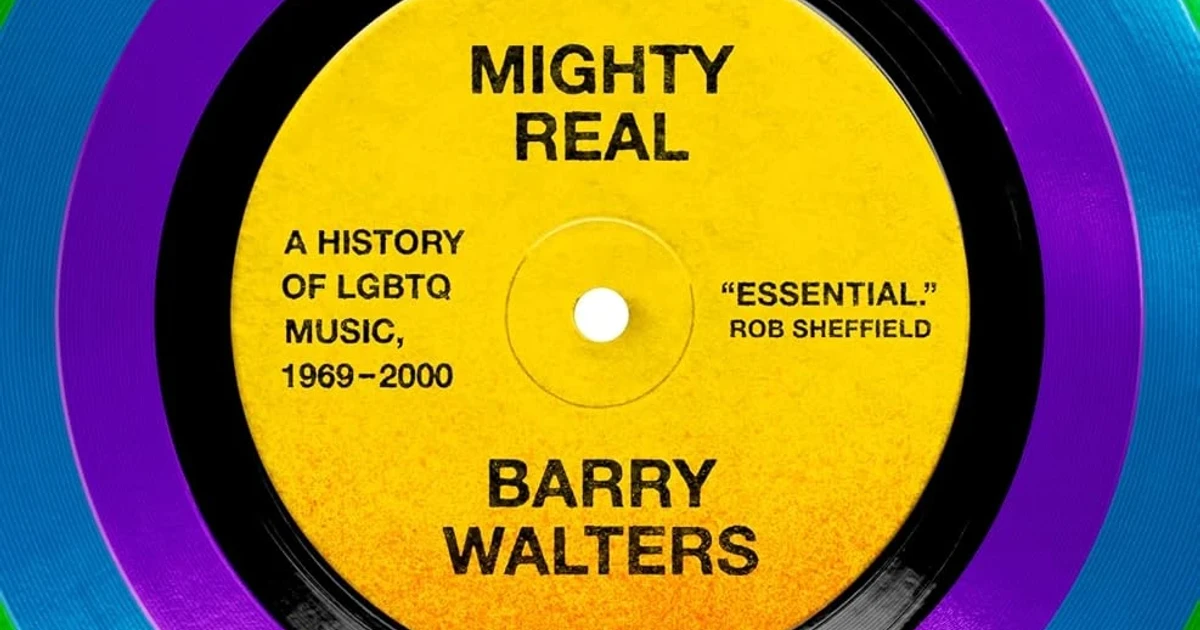
Barry Walters builds a history of pop music that treats LGBTQ artists, executives and fans as the force that changed the industry from within. In Mighty Real: A History of LGBTQ Music, 1969-2000, he traces how queer expression moved from coded signals to open influence across the late 20th century, with underground dancefloors, major labels and global charts all carrying that shift.
From Stonewall to the mainstream
The book, published by Viking and running 496 pages, frames LGBTQ music history as a story that begins with Stonewall-era cultural upheaval and reaches to the dawn of the 21st century. Publisher material places the Velvet Underground at one end of that arc and RuPaul at the other, with Elton John also part of the book’s span. That structure makes the argument plain: LGBTQ culture was not a side story in pop, but one of the engines driving its change.
Walters’ own publisher copy says the book follows how artists and audiences on underground dancefloors in the 1970s and on the global charts in the 1990s shaped music’s sound, style and spirit. It also says the record business was “not as straight as commonly believed,” a line that captures the book’s larger institutional point: queer influence was never confined to a niche audience, but worked through the business itself.
The artists Walters puts at the center
Walters has said that David Bowie, Lou Reed, Grace Jones, Sylvester and Madonna shaped the thinking behind the book. That list cuts across glam, disco, pop and club culture, and it shows how the book treats queer influence as something that traveled through different scenes rather than one fixed genre. These are not just names in a chronology; they are touchstones for how performers used style, ambiguity and visibility to widen pop’s vocabulary.
Publishers Weekly notes that the book opens in the late 1960s with the Velvet Underground and Elton John, with themes of alienation, rejection and melancholy at the forefront. That matters because it places emotional complexity next to public performance. Walters is not simply charting who was out, hidden or rumored, but showing how LGBTQ artists turned repression into aesthetic force.
He has also said that social repression shaped and complicated the work of LGBTQ bands. In that framing, coded lyrics and indirect presentation were not stylistic accidents; they were responses to a culture that made directness risky. The shift the book tracks is the slow movement from those constraints toward wider recognition and, eventually, commercial power.
Why fans matter as much as stars
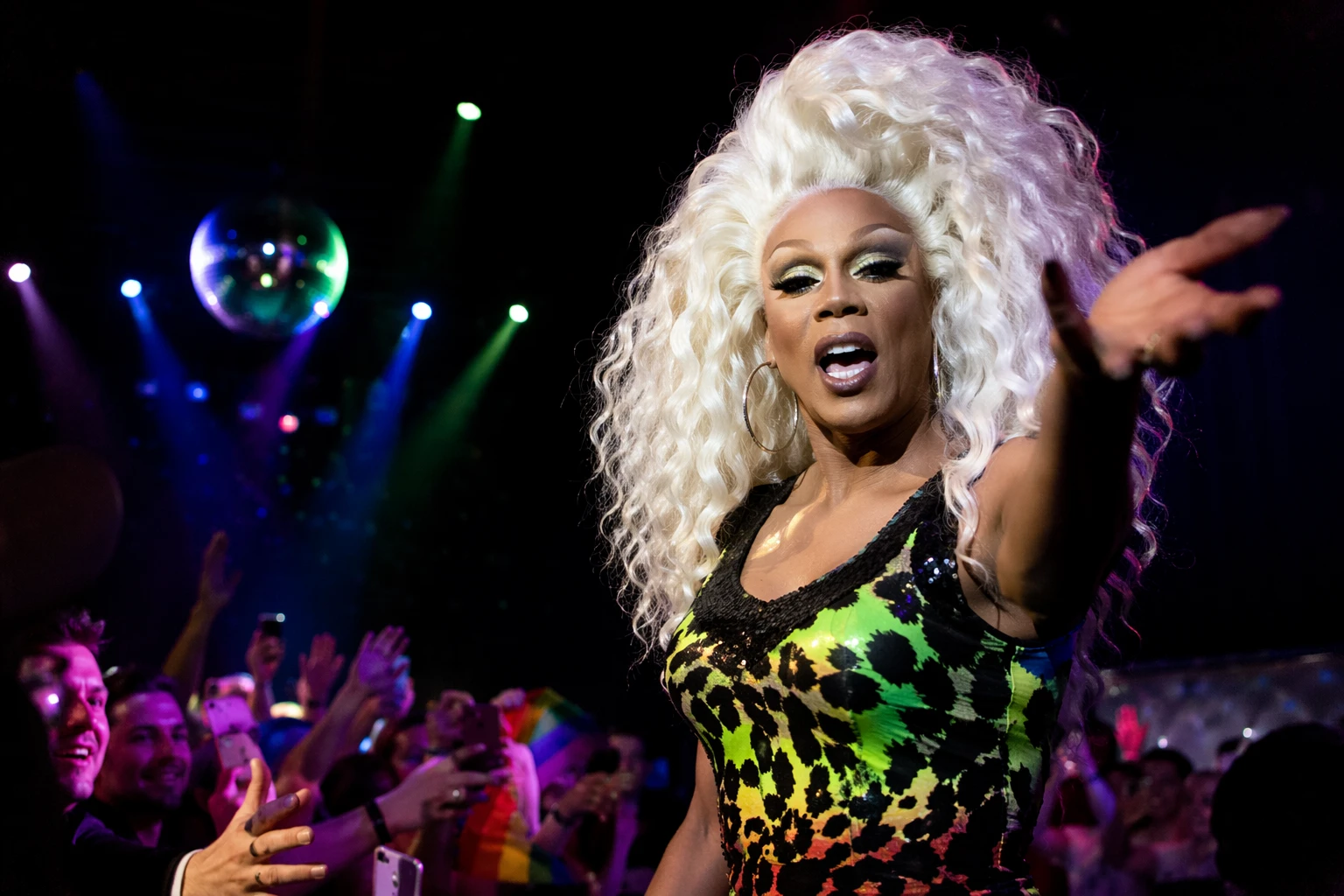
One of the book’s most important claims is that LGBTQ music history cannot be told through performers alone. Penguin Random House’s description says the book examines how LGBTQ musicians, music industry executives and fans reshaped the mainstream, which broadens the story beyond the stage. That emphasis on audiences matters because the reception of queer music, in clubs, scenes and fan communities, helped determine what crossed over and what endured.
Walters has also said that mainstream acts like Nirvana resonated with LGBTQ listeners. That point extends the book beyond openly queer icons and into the broader emotional life of pop. It suggests that the LGBTQ experience in music was not only a matter of representation, but also of identification, where listeners found reflections of isolation, defiance and desire in artists who were not always read as part of the same tradition.
The result is a story of influence moving in both directions. LGBTQ artists changed what pop sounded like, while LGBTQ fans and listeners changed which artists mattered, which records circulated and which styles felt like belonging. The book’s reach from underground dancefloors to global charts gives that exchange its institutional shape.
What the early response highlights
The first wave of praise points to the book’s scope and timing. Emma Alpern of Vulture called it “an excellent history of the queer world’s countless music scenes,” a description that emphasizes its range across subcultures, genres and eras. Rob Sheffield called it “an essential book for this moment,” signaling that the subject is not only historical but urgent for understanding how pop culture has been built.
That reception fits the way the book has been presented elsewhere. Google Books lists it as a history of LGBTQ music from Stonewall to RuPaul, while Walters’ interviews and publisher materials position it as a synthesis of artists, fans and industry power. Together, those details point to a work that treats queer music history as a record of cultural infrastructure, not just of celebrated names.
Walters brings a critic’s ear to that task. As a writer for Rolling Stone and Spin, he has spent years in the vocabulary of pop, and Mighty Real uses that perspective to trace how queer artistry moved from the margins into the machinery of mainstream taste. The book’s larger claim is durable and concrete: LGBTQ music history is not an appendage to pop culture history, but one of the main ways pop culture became what it is.
Sources
- [1]cbsnews.com
- [2]penguinrandomhouse.com
- [3]books.google.com
- [4]lithub.com
- [5]publishersweekly.com
- [6]msn.com