Lifestyle
Bartering Grows as Americans Swap Skills for Goods
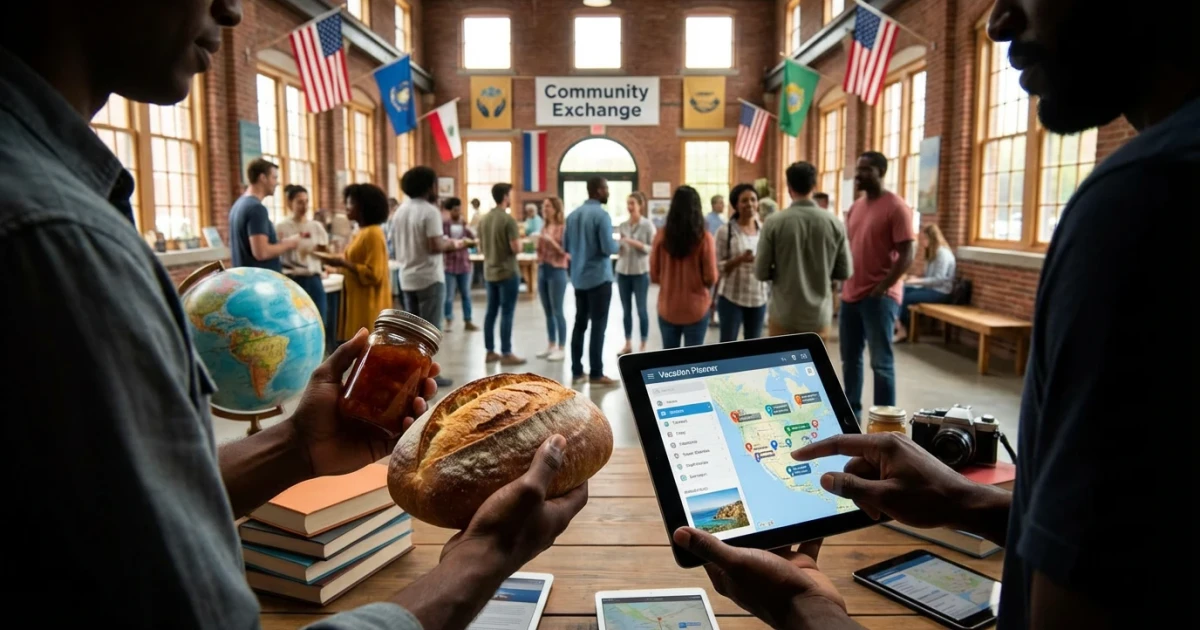
Bartering is making a comeback among Americans, with people increasingly swapping skills and services—such as baking cakes for vacation planning—instead of exchanging cash. This trend, highlighted by a recent BuzzFeed feature, reflects renewed interest in non-monetary exchanges and the creative ways people are leveraging their talents to meet personal needs.
How Bartering Works in Modern America
While bartering has deep historical roots in the United States, it is evolving with the digital age. Individuals and small businesses are trading services ranging from food preparation—such as baking artisan cakes—to professional skills like travel consulting. Instead of using money, participants agree on a mutually beneficial exchange, often facilitated through online platforms or local community groups.
- Bakers offer custom desserts in exchange for event planning, photography, or even home repairs.
- Travel enthusiasts provide personalized vacation itineraries for services like catering or graphic design.
- Digital platforms and barter exchanges help match people with complementary needs and skills.
For instance, a skilled pastry chef might bake a birthday cake for a neighbor who, in turn, plans their next family getaway. This type of arrangement is becoming more common as people look for ways to save money and build community connections.
Why Bartering Is Gaining Popularity
Several factors have contributed to the resurgence of bartering:
- Economic uncertainty has prompted many to seek alternatives to traditional cash transactions.
- Online networks and social media make it easier to find and vet potential barter partners.
- There's growing appreciation for artisan baking and personalized services, which are often valued more highly when traded directly between individuals.
- Bartering can foster local relationships and create a sense of community resilience.
According to research from the Pew Research Center, a significant number of Americans now participate in barter and trade via digital platforms. These exchanges are most common among people with specialized skills, freelancers, and those seeking side income or cost savings.
Tax Implications and Official Guidelines
Bartering, while informal for many, is also subject to IRS regulations. The value of goods and services exchanged must generally be reported as income, and barter exchanges are required to file certain forms with the federal government. For instance, if a baker trades a cake valued at $100 for vacation planning, each party may need to include that value in their taxable income.
Barter Exchanges and Digital Platforms
Beyond one-on-one trades, formal barter exchanges and online directories are helping people connect with others who have complementary needs. The Barter Exchange Directory lists dozens of active exchanges across the country, with thousands of participants trading everything from home repairs and catering to travel planning and graphic design.
Historical Roots and Modern Revival
Bartering has a long tradition in American history, from colonial times through the 20th century. The National Park Service documents how barter shaped early economic life, and its resurgence today echoes past periods of economic uncertainty and resourcefulness.
Looking Ahead
As Americans continue to value unique skills and seek alternatives to cash, bartering is likely to remain a popular option, especially in local communities and among freelancers. Whether it’s trading a cake for a vacation plan or leveraging other talents, the practice fosters creativity and connection in a changing economy.