Business
Base Power expands to Illinois with home batteries and cheaper electricity
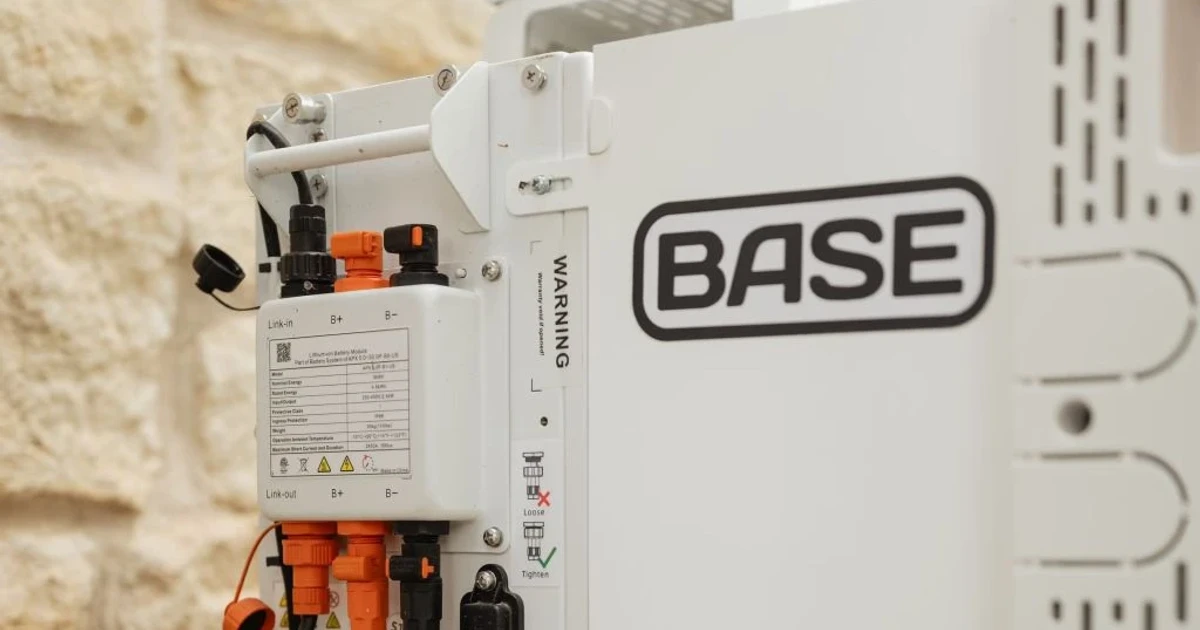
Base Power is moving into northern Illinois with a 40-kilowatt-hour home backup battery priced at $95 upfront for the first 2,000 ComEd customers, then $295 for later sign-ups. The Austin company is pairing that hardware with retail electricity sold at a 25% discount to ComEd’s prevailing rate, a pitch built around cheaper power, backup service and a way around the grid’s slowest bottlenecks.
The launch lands as PJM Interconnection, which serves more than 67 million people across 13 states and the District of Columbia, keeps sending a warning signal on capacity prices. Its 2026/2027 base residual auction cleared 134,311 megawatts of unforced capacity at the FERC-approved cap of $329.17 per megawatt-day, and PJM said that outcome could lift some customers’ bills by roughly 1.5% to 5% year over year. The prior 2025/2026 auction already drove wholesale capacity costs to $14.7 billion from $2.2 billion in the previous round, underscoring why a household battery that can act as local capacity has become more than a backup appliance.
Base’s bet is that it can sidestep the interconnection queue by installing storage behind the meter at homes that already have grid hookups. Customers in Illinois sign a 12-year battery agreement and can pay a $500 deinstallation fee to leave early. The company is also seeking Illinois Commerce Commission authority through Base Retail, LLC to serve retail customers in ComEd territory, where it says it will act as an Alternative Retail Energy Supplier while ComEd retains distribution and emergency responsibilities.
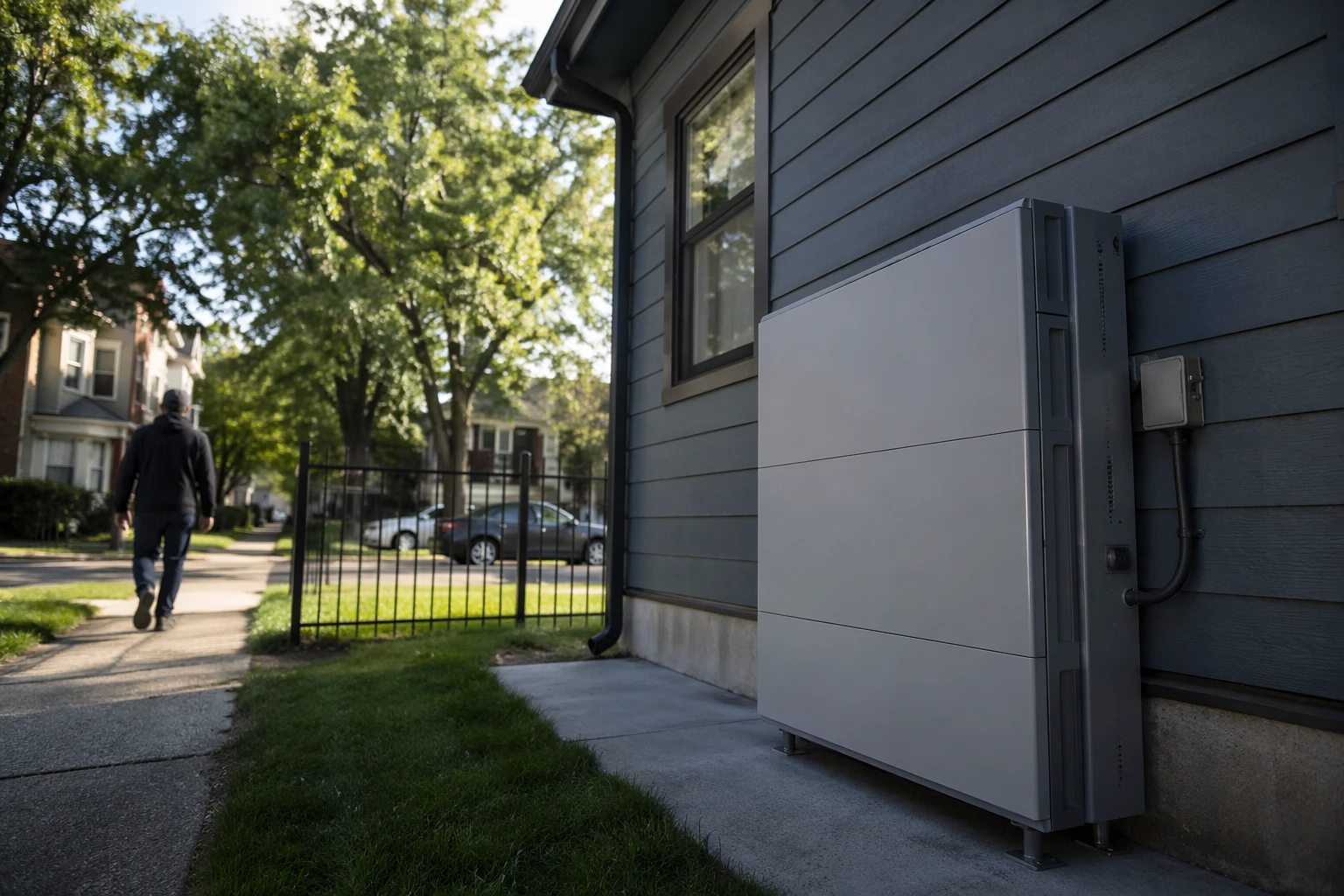
The pricing is sharply below the typical home battery purchase. Base’s offer comes in far under the roughly $10,000 or more many households pay for conventional systems, and it lands in a market where retail electricity discounts can matter as much as the hardware itself. Base says the model only works because the battery is installed where the grid connection already exists, avoiding the wait for a large-scale interconnection approval that can delay utility-sized projects for years.
The company is not treating Illinois as a one-off experiment. Founded in 2023 and headquartered in Austin, Base says it has installed more than 500 megawatt-hours of storage in Texas since launching there in 2024. It is also working with a cooperative utility on 100 megawatts of instant-discharge capacity at customer homes over the next two years, a sign that the company sees distributed batteries as a broader grid asset rather than just a residential product.

Investor backing has matched the ambition. Base raised $200 million in April 2025 in a Series B led by Addition, Andreessen Horowitz, Lightspeed Venture Partners and Valor Equity Partners, with participation from Altimeter, Terrain, Thrive Ventures and Trust Ventures. Base’s backers have framed each battery as part of a rapidly scaling virtual power plant, but the Illinois rollout will test a harder question: whether that model can move beyond favorable retail rules and expensive capacity markets, or whether it works best only where the pricing and regulation line up.
Sources
- [1]techcrunch.com
- [2]canarymedia.com
- [3]pjm.com
- [4]utilitydive.com
- [5]a16z.com
- [6]icc.illinois.gov
- [7]help.basepowercompany.com