Business
BASF shifts focus from size to profitability and value creation
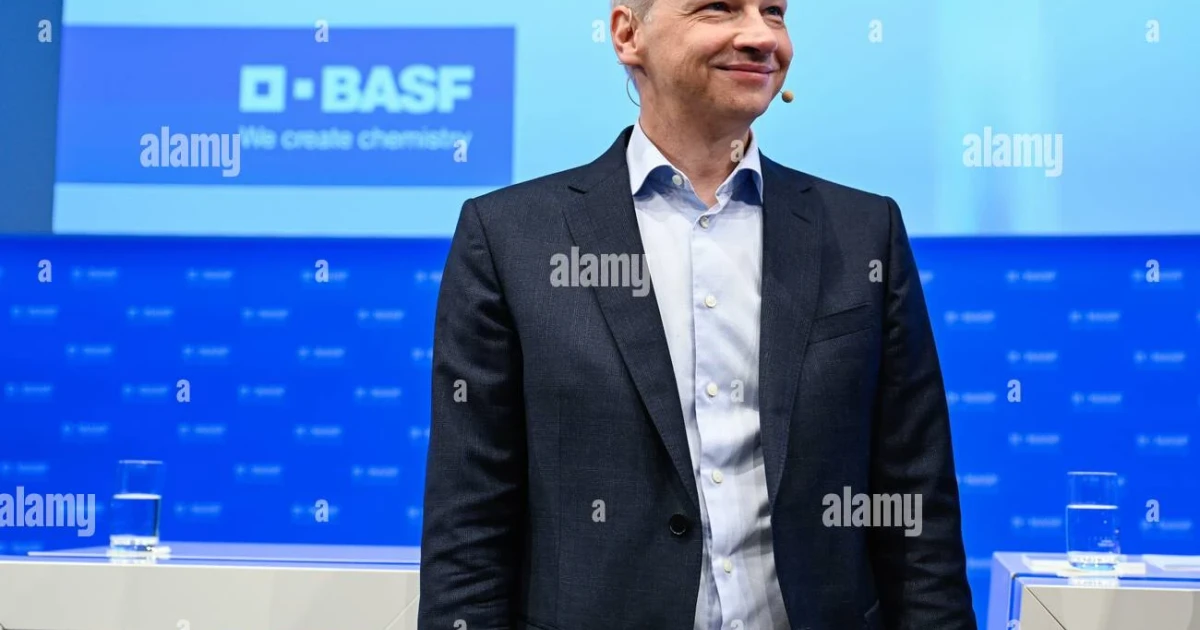
BASF is stepping away from defending its long-held claim to be the world’s largest chemical company by revenue and instead measuring success by profitability, cash generation and portfolio discipline. For Germany’s biggest chemical group, that is more than a branding change: 2025 sales fell to €59.657 billion from €61.444 billion a year earlier, EBITDA before special items slipped to €6.554 billion, and return on capital employed was 5.8 percent, only slightly above 5.1 percent.
In its 2025 report, Chairman Markus Kamieth said BASF was putting “self-help” at the heart of its actions and keeping a close eye on costs and cash flow. The company booked €937 million in special charges for restructuring, much of it tied to savings programs centered on the Ludwigshafen site, while saying it expected no meaningful market upswing or significant easing of geopolitical tensions in the near term.
That is what value creation looks like inside a mature industrial group: BASF has planned to divest its automotive OEM coatings, automotive refinish coatings and surface treatment businesses, and it has reorganized some catalyst units into other divisions. The message to investors is that BASF would rather shed low-margin assets and slow expansion than chase volume for its own sake. The shift also reflects pressure from a market where 2024 sales had already fallen to €65.260 billion from €68.902 billion, mainly because competition drove prices lower across segments.

The wider industry backdrop explains the turn. BASF said the global chemical industry grew 3.9 percent in 2024, but China accounted for 86 percent of that growth, underscoring how uneven demand remains. BASF’s own long-term response still depends on China, where its Zhanjiang Verbund site is its third-largest after Ludwigshafen and Antwerp, yet the company is clearly placing more weight on resilience than on size. For industrial Europe, BASF’s pivot is a warning that the old model of scaling up production and trusting revenue growth is giving way to a tougher test: margins, capital discipline and returns.
Sources
- [1]money.usnews.com
- [2]report.basf.com
- [3]basf.com