Sports
Batistuta, Valdano and Zamorano recall World Cup glory

The World Cup turns elite footballers into national symbols, and these three legends show why that burden lasts long after the final whistle. Gabriel Batistuta, Jorge Valdano and Iván Zamorano each carried a different version of it for Argentina and Chile, from decisive goals to the emotional grind of playing every match with a country watching.
The weight of a World Cup shirt
What makes their recollections so revealing is that none of them describe the tournament as routine. Batistuta built a record that still defines Argentina’s place in World Cup history, Valdano experienced the pressure of both reaching a final and finishing the job, and Zamorano lived the strain of trying to lift Chile through a difficult campaign. Together, their careers show that the World Cup is not just a stage for talent. It is a test of nerves, patience and national expectation.
Batistuta’s case is the most immediate example of that standard. He played in three World Cups, in 1994, 1998 and 2002, and scored 10 goals in 12 matches. That made him Argentina’s top scorer in World Cup history, and his name still carries the rare distinction of being the only player ever to score two hat-tricks in different World Cups.
Batistuta and the standard of inevitability
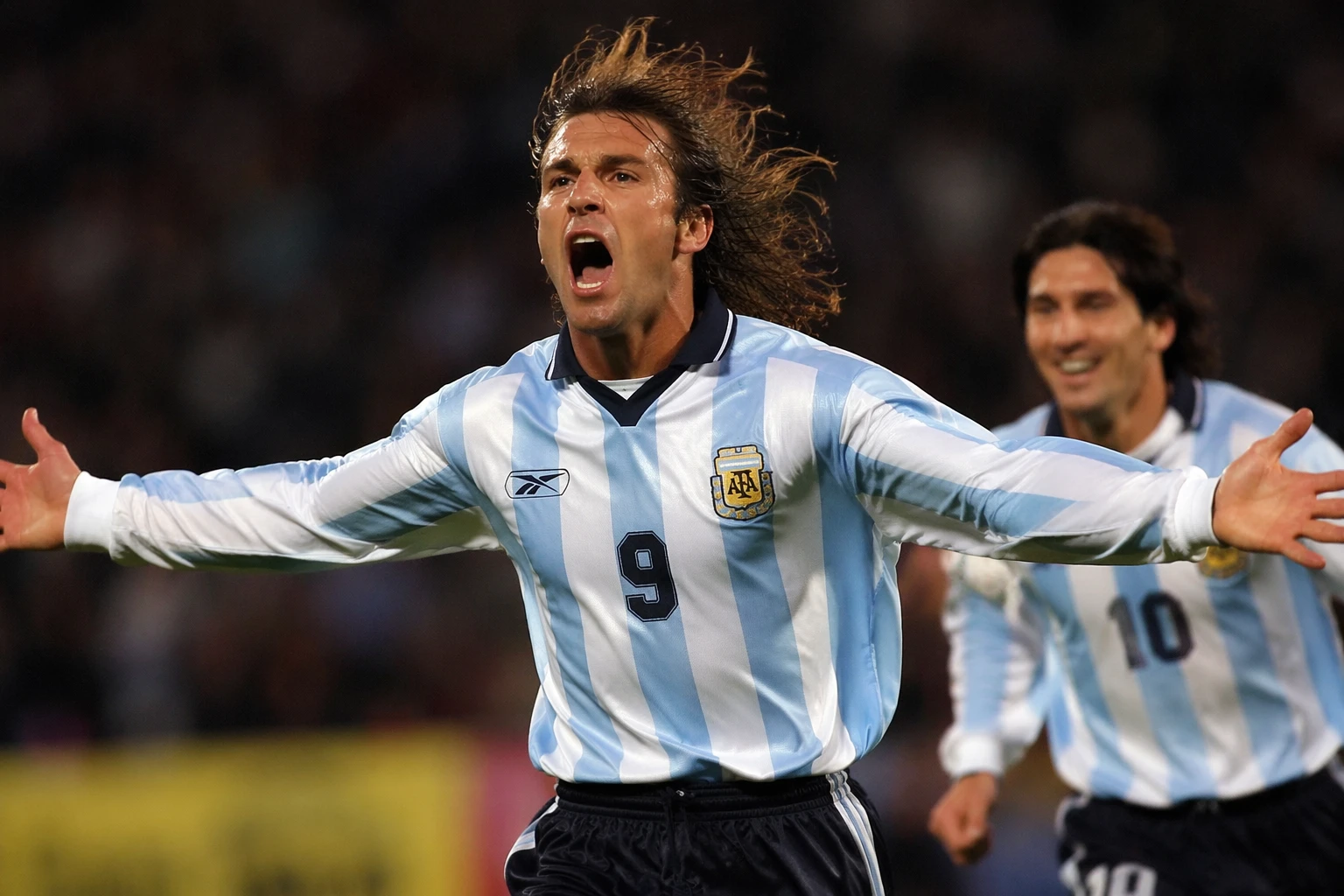
Batistuta’s tournament reputation was built on more than numbers. It was built on the sense that, when Argentina needed a goal, he could supply one under the highest possible pressure. He scored against England in France 1998 and found the net again against Nigeria in 2002, evidence that his threat survived across tournaments and against very different opponents.
That consistency matters because it reveals what World Cup football demands from a striker. Club success can be spread across a season; the World Cup compresses everything into a few matches, with little room for recovery or correction. Batistuta’s record shows how a forward becomes a national reference point when every touch can shape how a country remembers an entire summer.
Valdano and the final-step pressure
Jorge Valdano offers a different kind of lesson. He played for Argentina in the 1982 and 1986 World Cups, and his 1986 campaign ended with a world title in Mexico. Valdano scored four goals in that tournament, including one in the final against West Germany, a reminder that the biggest matches reward players who can stay composed when the margin is smallest.
His experience is important because it shows the psychological shift that happens in a successful run. Once a team reaches the final, the pressure changes from survival to fulfilment. Valdano’s role in 1986 captures that moment when a player must absorb the expectation of an entire nation and still play with clarity, even when history is within reach.
For Argentina, that kind of pressure became part of the country’s football identity. Valdano’s World Cup memories are not simply about a title; they are about the emotional cost of getting there and the discipline required to convert a chance at glory into a result.
Zamorano and carrying Chile through every game
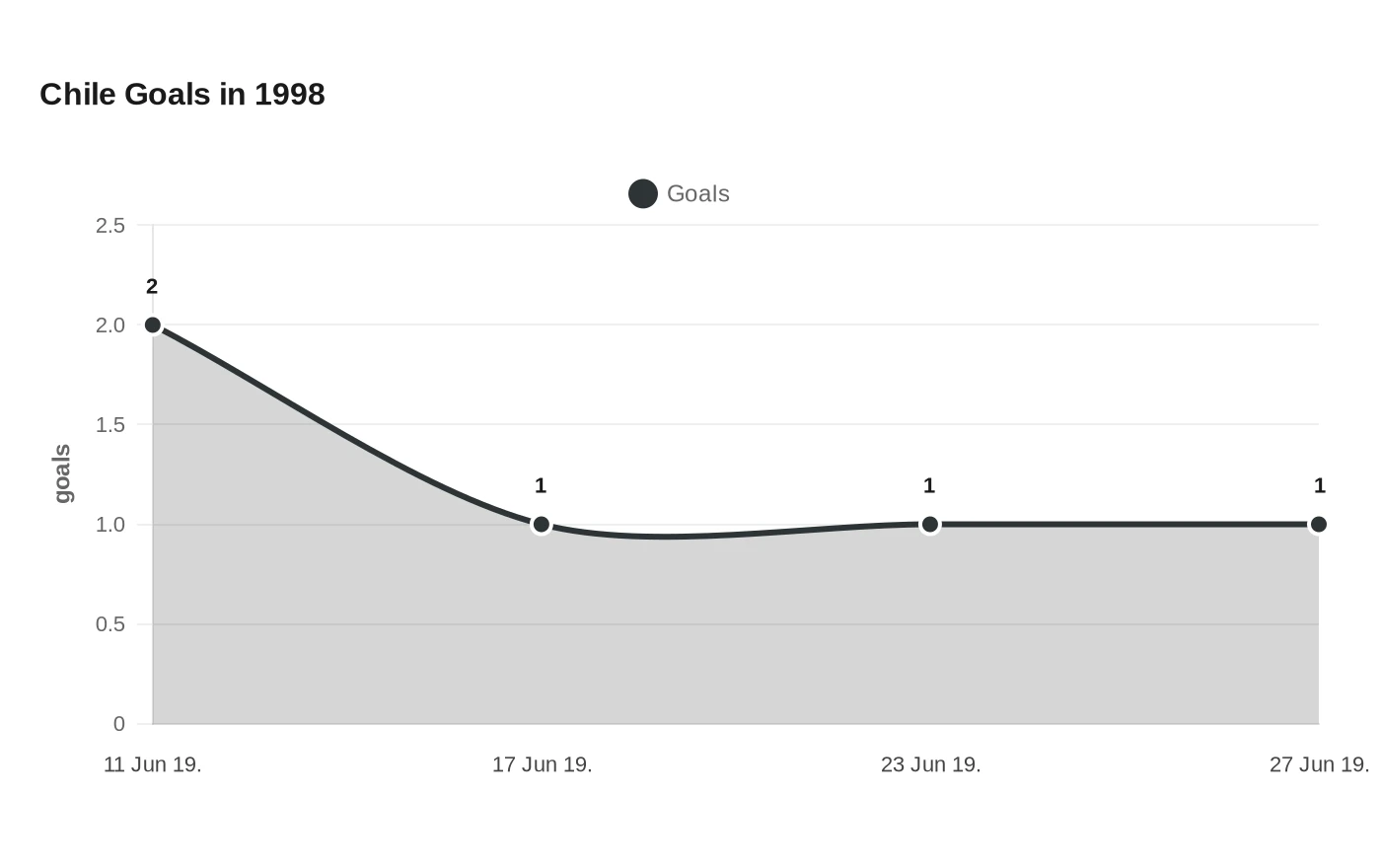
Iván Zamorano’s World Cup story is about responsibility from start to finish. He captained Chile at France 1998 and played all four of the team’s matches, a sign of how central he was to the squad’s identity. Chile drew 2-2 with Italy on 11 June 1998, drew 1-1 with Austria on 17 June, drew 1-1 with Cameroon on 23 June and then lost 1-4 to Brazil on 27 June.
Those results matter because they show the grind of a tournament for a team trying to stay alive in a difficult group. Zamorano was not just part of the squad; he was the figure expected to steady it. His standing grew out of his qualifying form as well, when he scored five goals in Chile’s 6-0 victory over Venezuela on 29 April 1997, a decisive performance in the run-up to France 1998.
That qualifying match helps explain the weight he carried into the finals. When a player has already delivered in the pressure of qualification, the expectation in the tournament itself rises sharply. Zamorano entered France 1998 as one of Chile’s most recognized footballers, and the burden was not only to compete, but to validate the team’s place on the sport’s biggest stage.
What these memories mean now
Taken together, Batistuta, Valdano and Zamorano show that World Cup glory is never just about the medal or the goal total. It is about how players absorb a nation’s hopes, handle the emotional strain of successive matches and respond when the tournament narrows to moments that can define a career. Batistuta’s 10 goals, Valdano’s title-winning strike and Zamorano’s leadership in every Chile match all point to the same truth: the World Cup magnifies pressure until every action feels consequential.
That is why their recollections still matter. Modern players live under the same demand for immediate impact, instant resilience and public judgement, and these three careers explain the mental cost of meeting it. The World Cup remains football’s most unforgiving test because it asks for brilliance, composure and national representation at the same time, and few players have shown that more clearly than Batistuta, Valdano and Zamorano.