US News
Battle of the Little Bighorn anniversary plans draw tribal and national focus
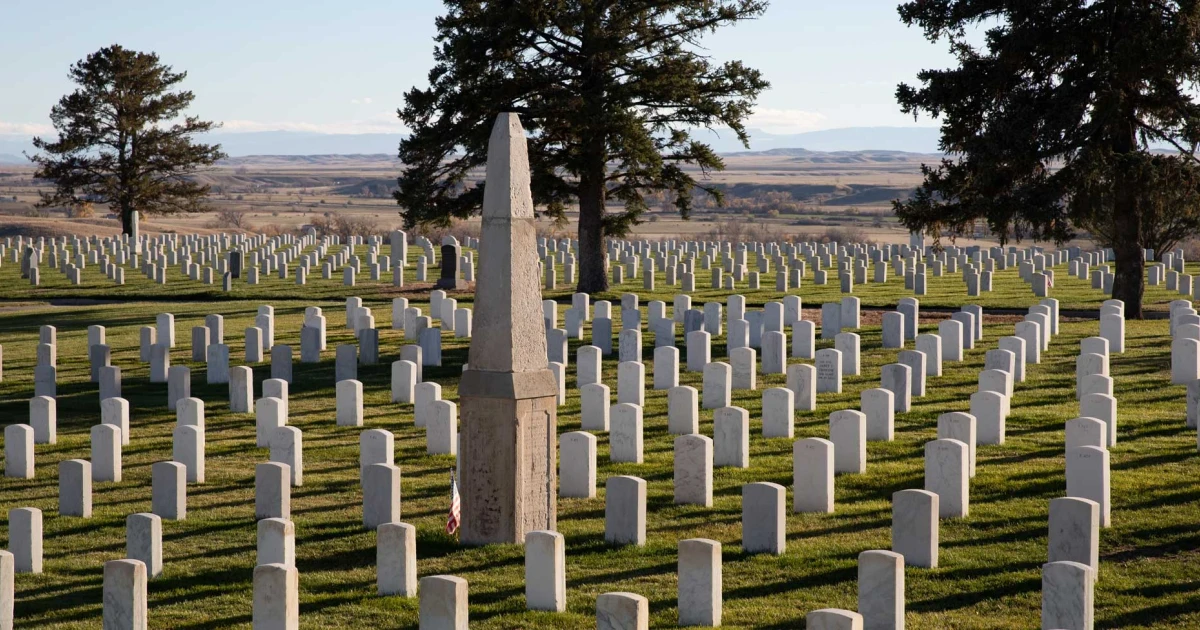
As the 150th anniversary of the Battle of the Little Bighorn nears, the conflict is being commemorated not as a fixed chapter of history but as a living argument over memory, family legacy and whose account of the past carries the most weight. Relatives of George Armstrong Custer and Sitting Bull remain at the center of that debate, even as tribal nations, historians and the National Park Service prepare for one of the largest gatherings ever held at the battlefield.
The National Park Service said the June 25, 26 and 27 commemoration at Little Bighorn Battlefield National Monument is expected to draw up to 10,000 visitors a day. Admission will be free, personal vehicles will not be allowed on the battlefield, and off-site parking with shuttle service will be provided because the new visitor center is still under construction. Daily programming is set to begin at 9:30 a.m., and the park said it will return to a seven-day operating schedule on July 3.
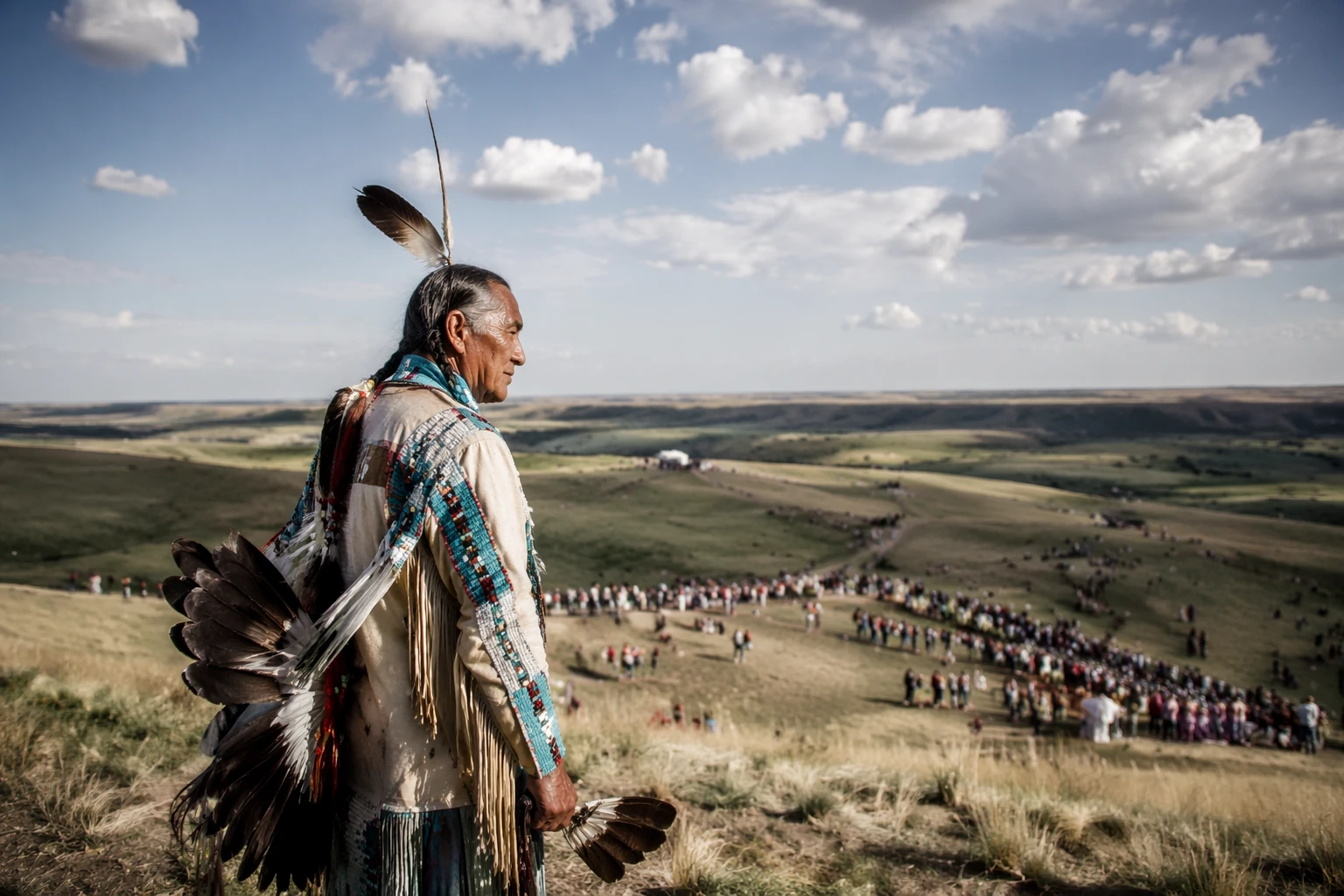
The anniversary falls on the same dates the battle was fought in 1876, when Indigenous forces defeated Custer and the 7th Cavalry on the Montana plains. For many Native participants, the fight is remembered less as “Custer’s Last Stand” than as a defense of land and way of life against westward expansion. The park said the commemoration is being organized with Tribal nations, descendants, historians, elected officials, authors, military representatives and cultural organizations, with an emphasis on reflection, learning and cultural exchange.
Tribal organizers are also planning a separate week of events around what many Indigenous communities call the Battle of Greasy Grass. Roughly 19 tribes are involved, with organizers expecting about 1,000 horse riders, 500 motorcyclists and thousands of attendees. The scale of the gathering underscores how the anniversary has become both a ceremonial return and a public assertion of Native historical interpretation.
That effort is taking physical shape along the Little Bighorn River, where Northern Cheyenne leaders and landowner Jim Real Bird have scouted a location for a new interpretive sign on private land between the Reno Battlefield and the Custer Battlefield. Assistant Eugene Little Coyote said the marker will identify the spot where four Cheyenne warriors and five Lakota warriors first engaged Custer’s troops and stopped their advance across the river. The sign, which will carry the header “Thus Far and No Farther,” is scheduled for dedication on June 24 and is meant to complement existing park exhibits while centering tribal perspectives.
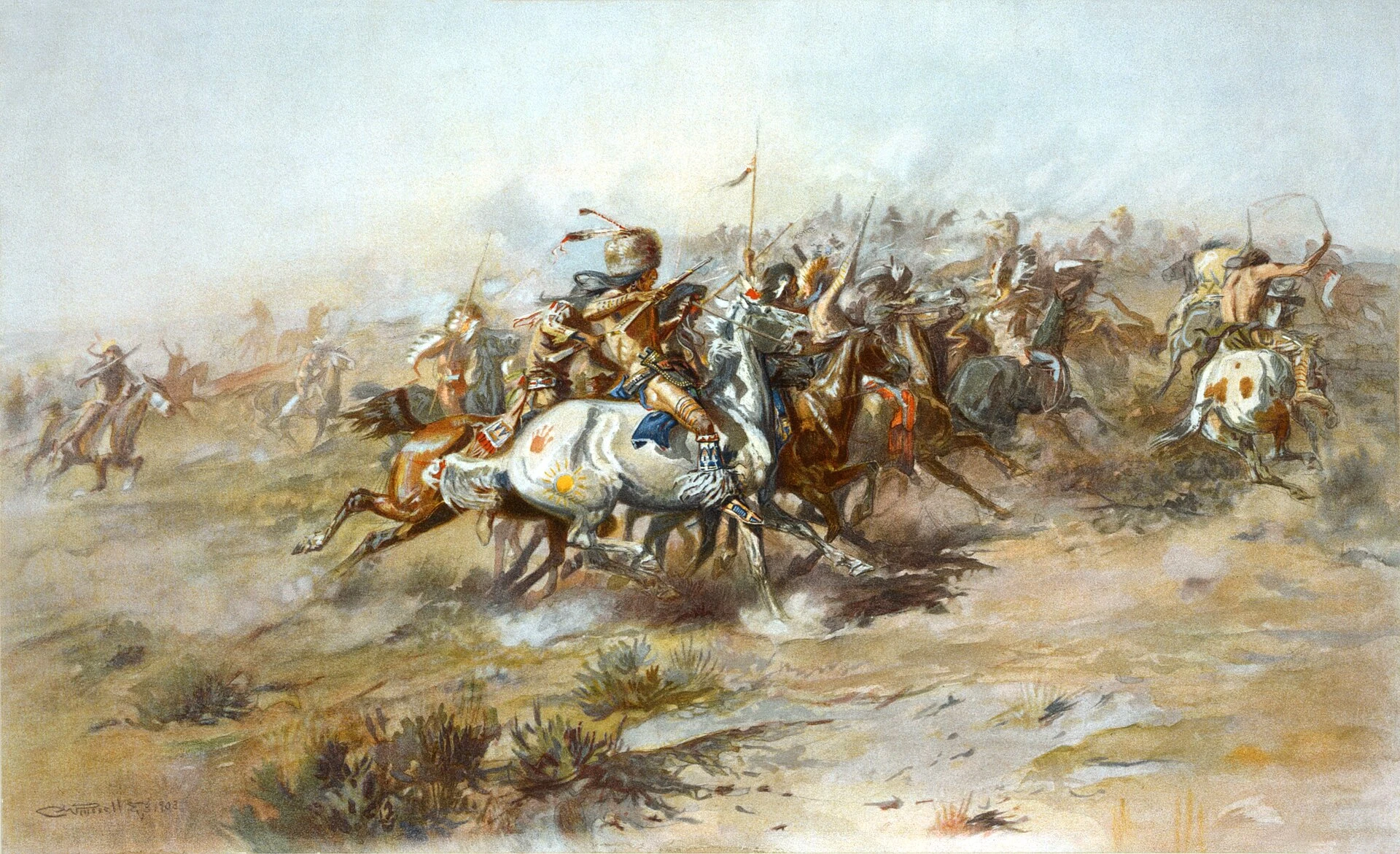
The anniversary also remains personal for descendants on both sides. Custer’s name still carries the mythology of defeat on the battlefield, while Sitting Bull is remembered by many Native people as a Hunkpapa Lakota leader and symbol of resistance. His lineage has also been publicly reaffirmed in modern times: Ernie LaPointe was identified through DNA analysis as a great-grandson, linking contemporary family history to one of the country’s most contested battles.
Sources
- [1]nytimes.com
- [2]nps.gov
- [3]ktvq.com
- [4]montanafreepress.org
- [5]cam.ac.uk