Health
Bausch + Lomb drops glaucoma eye drop after trial misses main goal

Bausch + Lomb is discontinuing development of its glaucoma eye drop after a phase 2 study failed to meet its main goal. The candidate, BL1107, had been designed to reproduce visual-function gains seen in a smaller Phase 1/2a study, but the larger trial did not deliver the same result.
The trial tested topical treatment for 28 days and measured change in visual field mean deviation in the study eye. Most current glaucoma therapies aim to slow damage by reducing intraocular pressure; BL1107 was being advanced as a vision-improvement approach, a far harder target in a disease that often causes permanent loss before patients notice symptoms.
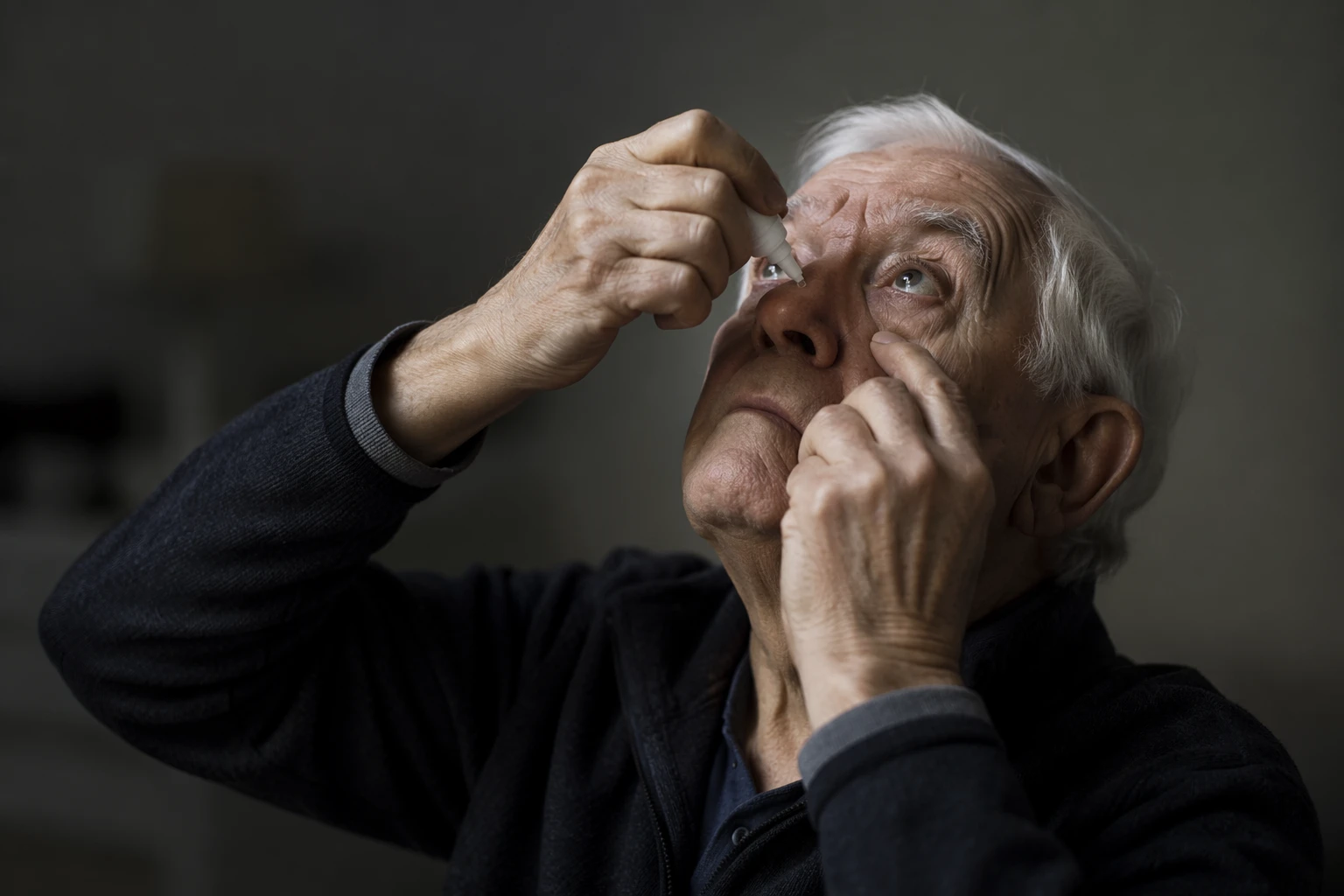
Bausch + Lomb acquired Whitecap Biosciences in January 2025, adding the program and the company behind it to its ophthalmology pipeline. Whitecap, founded in 2015, had been developing therapies for glaucoma and geographic atrophy, the advanced late stage of dry age-related macular degeneration. Bausch + Lomb said it will stop eye-drop development for glaucoma-related vision improvement, but will continue pursuing a sustained-release implant focused on geographic atrophy, with clinical trials expected to begin in 2028.
Glaucoma affects about 3 million Americans, according to the Centers for Disease Control and Prevention, and is one of the leading causes of irreversible blindness in the United States. The disease often has no early symptoms and can lead to peripheral vision loss and blindness. Geographic atrophy can cause irreversible central vision loss and remains a major unmet need in late-stage dry AMD.

Investors punished the setback quickly, sending Bausch + Lomb shares down about 2.8% in extended trading. The company said its portfolio still includes more than 60 assets under development, with multiple milestones expected over the next few months.
Sources
- [1]whbl.com
- [2]ir.bausch.com
- [3]cdc.gov
- [4]nei.nih.gov
- [5]macular.org
- [6]businesswire.com
- [7]iovs.arvojournals.org