Politics
Bayer wins Supreme Court reprieve as Roundup litigation shifts strategy
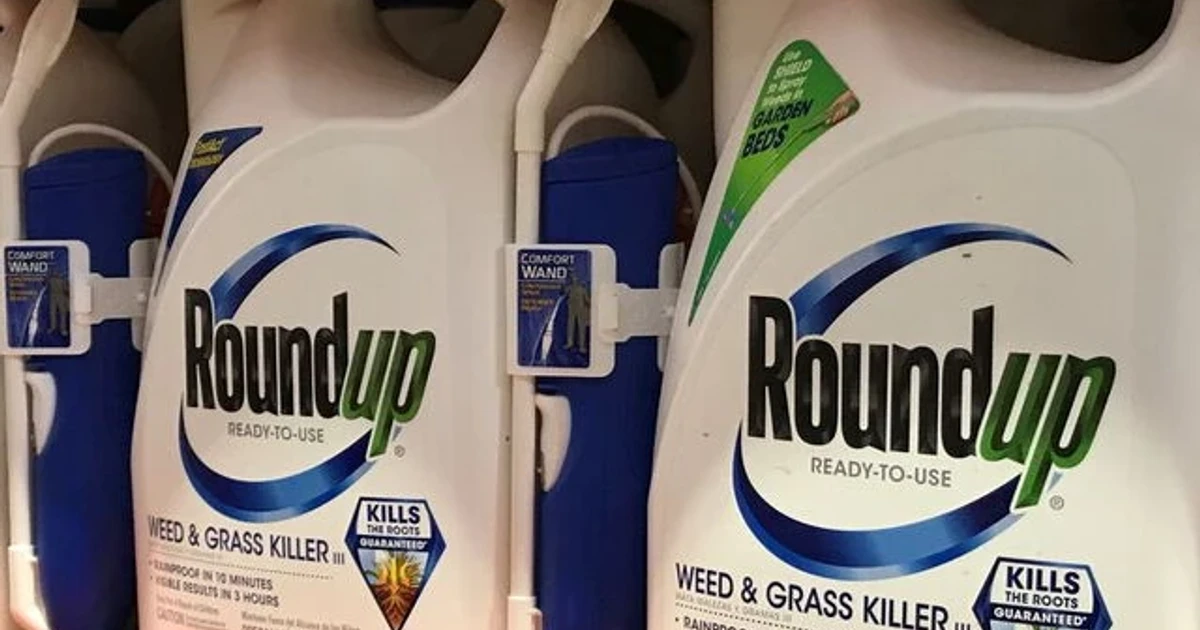
Bayer wrapped its U.S. glyphosate business into a new St. Louis-based unit called Ruveon LLC on July 1, moving to consolidate pricing, go-to-market strategy, production and logistics just days after a Supreme Court ruling sharply narrowed Roundup failure-to-warn claims. Bayer is using the ruling to press for relief in the nearly 4,000 federal Roundup cases pending before U.S. District Judge Vincent Chhabria in San Francisco.
The Supreme Court ruled 7-2 on June 25 that Bayer cannot be sued under state-law failure-to-warn claims when EPA-approved labeling is at issue. Bayer shares jumped 17.3% that day, their biggest daily gain in 23 years, as investors priced in a narrower path for cancer plaintiffs who say glyphosate, Roundup’s active ingredient, caused their disease. Bayer says the ruling should help it seek dismissal of the federal cases and reinforce the company’s argument that warning labels approved by the Environmental Protection Agency should shield it from conflicting state claims.
The company still faces more than 60,000 similar claims in state courts and is pursuing a proposed $7.25 billion settlement that a Missouri judge is expected to review in August 2026. Bayer says the Supreme Court decision brings regulatory clarity and “significant containment” to Roundup litigation.
In February 2026, the EPA re-approved dicamba for two growing seasons and put in place the strongest protections in agency history for over-the-top use on cotton and soybeans. The decision came amid pressure from cotton and soybean growers in the Cotton Belt, where herbicide-resistant weeds such as Palmer amaranth have cut into yields, and the new labels include stronger safeguards to reduce drift and worker exposure.
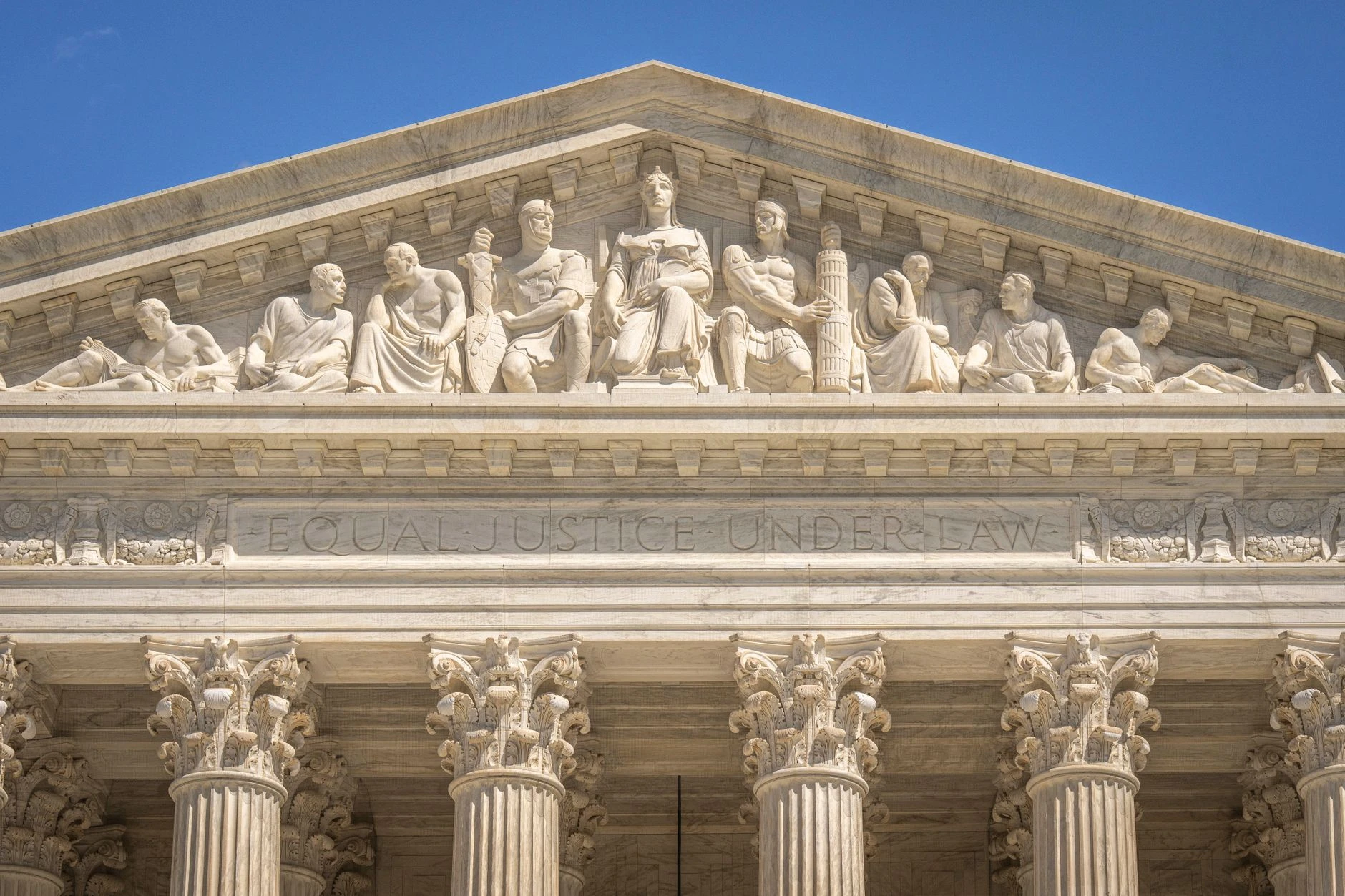
Atrazine faces a similar policy fight. On April 10, 2026, the U.S. Fish and Wildlife Service issued a biological opinion saying atrazine does not pose an extinction risk to the threatened and endangered species it reviewed. Environmental and health groups denounced the finding and said it would lead them to sue the EPA. That stands against an earlier EPA assessment that found atrazine likely to harm more than 1,000 protected species. Trump’s administration also moved to protect supply by invoking the Defense Production Act in February to prioritize domestic glyphosate-based herbicide production.
Sources
- [1]usnews.com
- [2]epa.gov
- [3]thenewlede.org
- [4]bayer.com
- [5]farmpolicynews.illinois.edu