Entertainment
BBC and Bafta Address Racial Slur Incident at Awards Ceremony
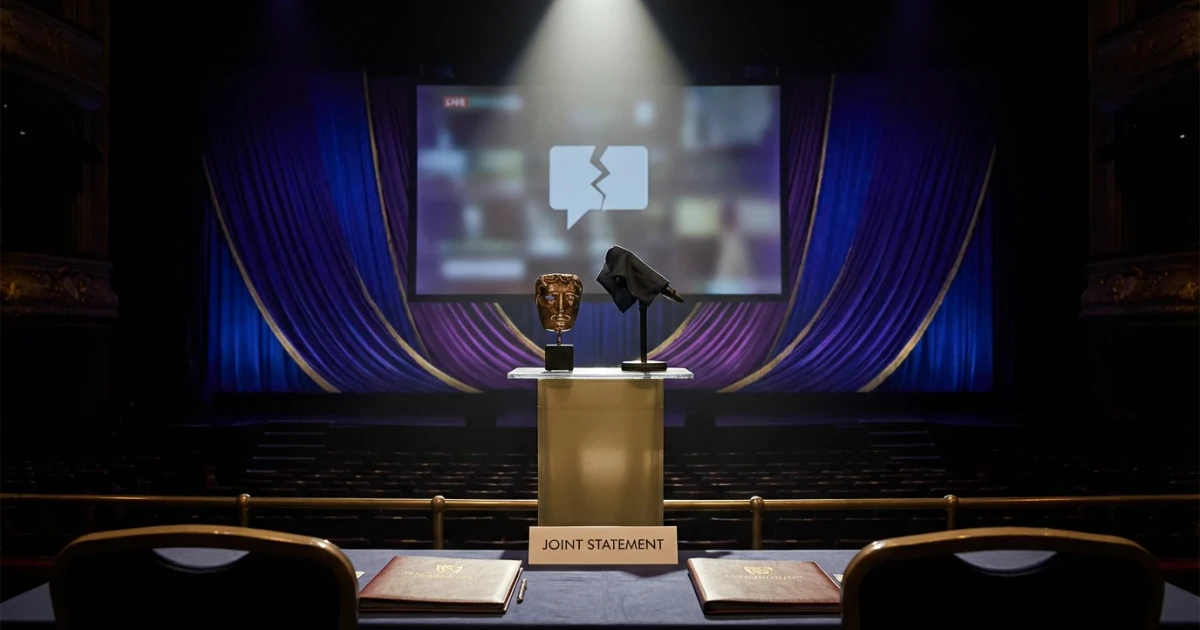
The BBC and Bafta have both issued public apologies following an incident during the recent BAFTA awards ceremony in which a guest with Tourette syndrome used a racial slur on stage. The incident, which involved the use of the N-word, has prompted Bafta to announce a comprehensive review of its live event protocols and reignited debate about language standards in UK broadcasting.
Incident and Immediate Response
The event unfolded during a live broadcast of the BAFTA awards, when a guest affected by Tourette syndrome inadvertently used the N-word while on stage. The occurrence led to immediate concern among viewers and staff, with the BBC quickly releasing a statement to its employees apologising for the inclusion of the slur in its broadcast. According to The Guardian, both organisations recognised the distress the incident caused and moved swiftly to address the fallout.
Bafta’s Review and Policy Implications
In response to the controversy, Bafta has announced a comprehensive review of its awards ceremony protocols, focusing on how live events are managed and how to respond to unexpected incidents involving offensive language. This review will also assess adherence to the organisation’s Diversity & Inclusion Policy, which outlines Bafta’s commitment to equal opportunities and respectful representation in all aspects of its programming.
- Bafta’s policy prohibits the use of discriminatory language and sets out procedures for handling sensitive issues in live broadcasts.
- The review is expected to look at staff training, real-time event management, and support for guests with neurological conditions or disabilities.
BBC’s Editorial Standards and Staff Concerns
The BBC, responsible for broadcasting the ceremony, has reiterated its commitment to upholding editorial standards as set out in its Editorial Guidelines. These guidelines include specific provisions for addressing offensive content, especially in live or unscripted programming. The incident has reportedly led to internal discussions among BBC staff about the challenges of balancing editorial integrity, inclusion, and sensitivity in live broadcasts.
According to the Ofcom Diversity and Equal Opportunities in Television 2023 report, both the BBC and Bafta have made progress in promoting diversity, but incidents like this highlight ongoing challenges in ensuring all staff and participants feel supported and respected.
Broader Context: Language and Inclusion in UK Media
The incident comes at a time of increasing scrutiny over the use of language in public discourse. The UK Home Office’s most recent hate crime data shows that racial slurs can have a significant impact on both individuals and communities, reinforcing the need for broadcasters to exercise care and sensitivity. Disability advocates have also called for greater understanding of neurological conditions like Tourette syndrome, which can cause involuntary use of inappropriate language.
Organisations such as the Equality and Human Rights Commission provide resources on inclusive language and best practices for public events, underscoring the importance of context, intent, and support for those with disabilities, while still recognising the harm certain words can cause.
Looking Ahead
Both the BBC and Bafta have pledged to learn from the incident. The outcomes of Bafta’s review, along with any updates to BBC editorial protocols, are expected to shape future approaches to diversity, inclusion, and live event management across the UK’s broadcasting sector. As the industry continues to evolve, balancing openness, respect for individuals with disabilities, and protection against offensive content remains a complex but critical challenge.