World
BBC granted rare access to devastated Israeli-occupied south Lebanon
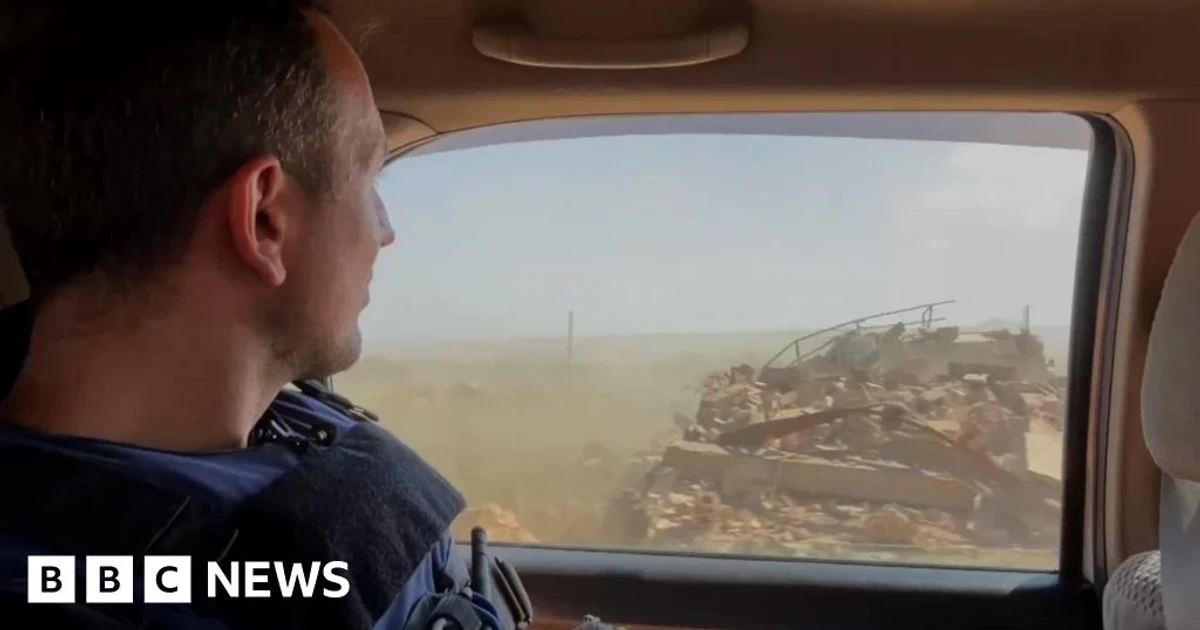
A rare humanitarian convoy took BBC reporter Hugo Bachega into an Israeli-occupied stretch of southern Lebanon, where whole villages now stand as evidence of how difficult any durable ceasefire will be. The journey offered a brief look past the access restrictions that have hidden the damage for months, and it showed why a return for displaced families will depend on far more than the guns falling silent.
What Bachega found matched the wider humanitarian picture. The United Nations Office for the Coordination of Humanitarian Affairs said on June 11 that hostilities had caused at least 3,711 deaths and 11,483 injuries in Lebanon since March 2. It said 134,800 internally displaced people were registered in 642 collective shelters, while the revised 2026 Lebanon Flash Appeal had received US$206.2 million of the US$639.9 million requested, just 32.2 percent of the total needed to help 1.4 million people through August.
The destruction visible in the south also undercut official claims about conditions on the ground. Recent reporting from places such as Qlaileh showed returning villagers finding homes reduced to rubble, and the scale of damage across southern Lebanon has left large numbers of houses and towns heavily damaged or destroyed. In villages near the Litani River, the question is no longer only who controls the ground, but whether anyone can safely live on it again.
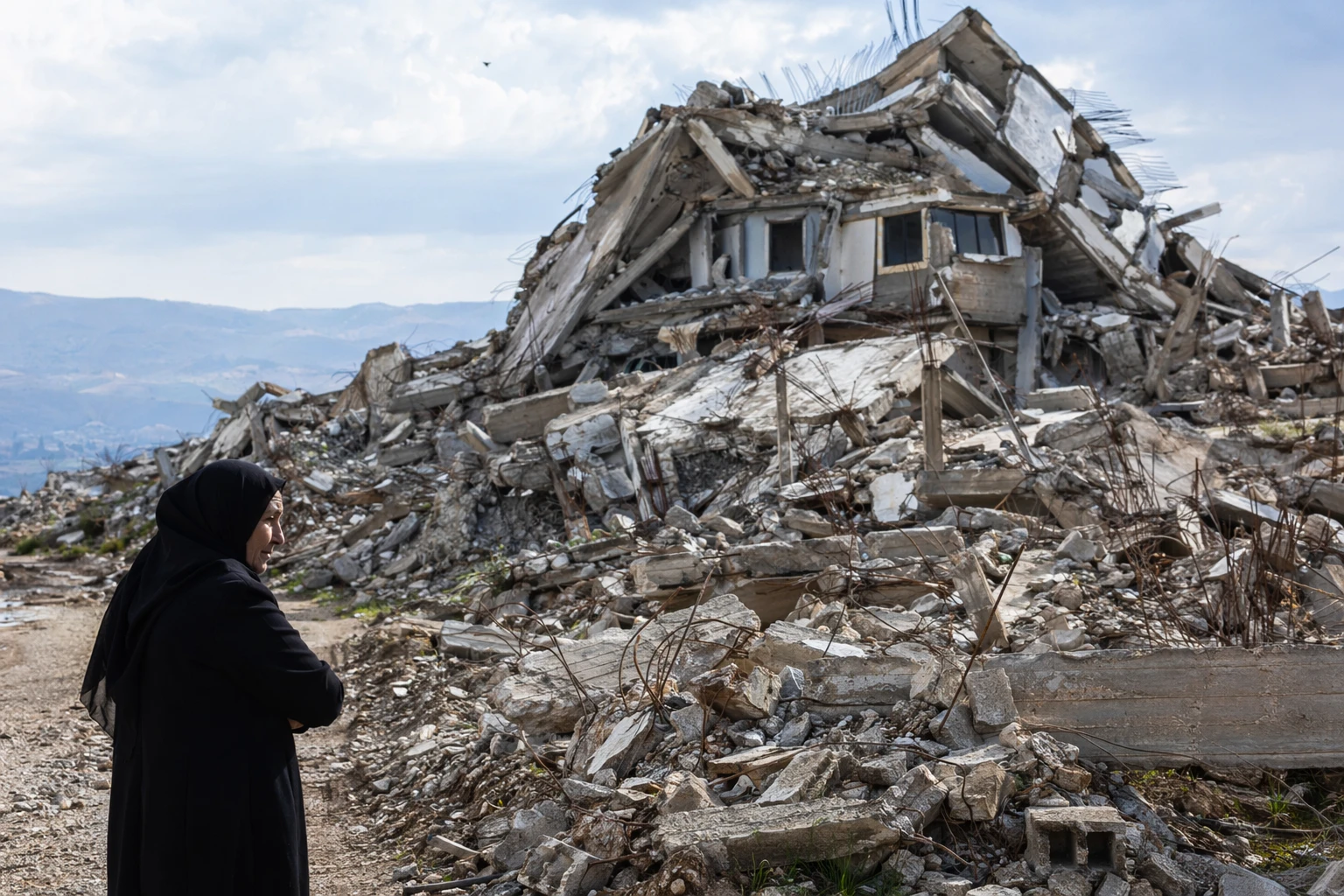
That uncertainty has sharpened legal and political scrutiny of Israel’s tactics. Amnesty International said on June 17 that Israel’s repeated mass displacement and “no-return” orders in Lebanon may amount to unlawful transfer and, in parts of southern Lebanon, a war crime. A Reuters report on June 18 said Israel published an expanded military control map for southern Lebanon, reinforcing fears that temporary displacement is becoming a more permanent condition.
The institutional backdrop is equally fraught. UNIFIL was established in 1978 to oversee Israel’s withdrawal from Lebanese territory, and recent reporting says the peacekeeping mission is now being drawn down toward a planned end in 2026. As international attention shifts, the material questions remain brutal and immediate: which homes can be repaired, which roads can be reopened, and whether displaced families will find anything left to return to after the fighting stops.
Sources
- [1]bbc.com
- [2]unocha.org
- [3]amnesty.org
- [4]usnews.com
- [5]arabnews.com
- [6]reuters.com
- [7]vaticannews.va