Sports
BBC Sport explains why every World Cup last-32 tie matters
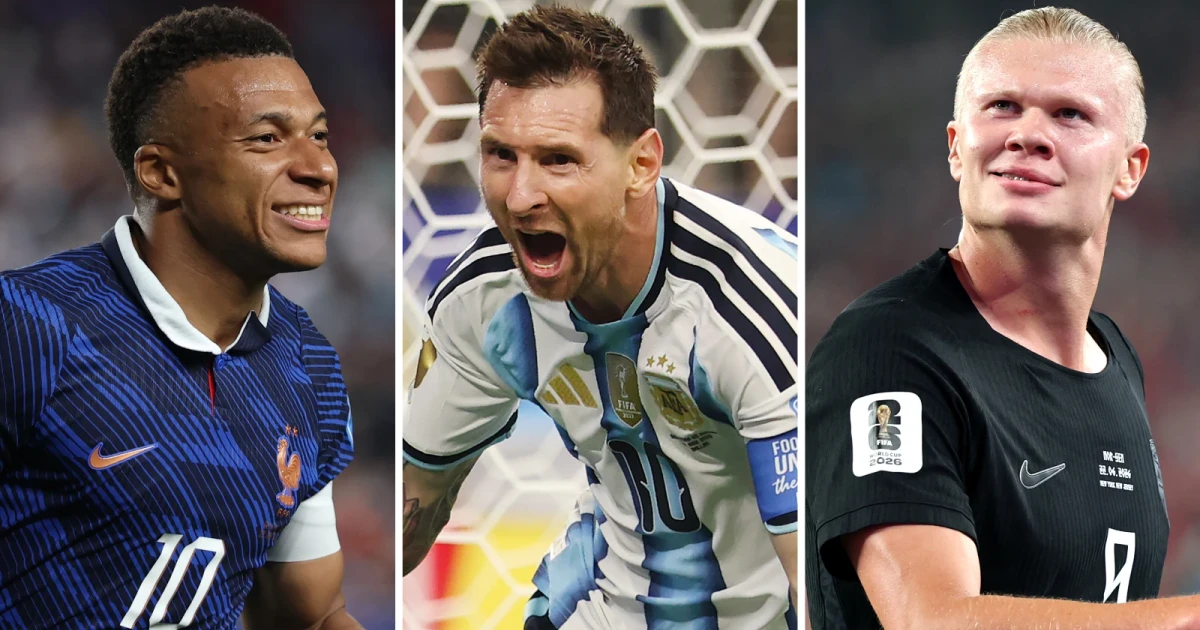
The last-32 is no longer a routine bridge to the business end of the World Cup. In the 48-team era, it is the tournament’s first knockout filter, where new contenders can announce themselves, established powers can be shaken early and the bracket begins to narrow toward the final at MetLife Stadium in New York/New Jersey on July 19, 2026.
The new shape of the knockout stage
The 2026 edition is the first men’s World Cup to feature 48 teams, 104 matches and an additional knockout round, with FIFA saying the expanded format requires teams to win more matches to lift the trophy. That change matters because it adds an entire layer of consequence before the Round of 16: the Round of 32 runs from June 28 to July 3, and it begins with 32 teams still alive rather than the old 16-team knockout field.
The qualification path has also changed the shape of the storylines that survive. The top two teams from each of the 12 groups advance automatically, joined by the eight best third-placed teams, which means the bracket now carries more late-surging nations and more teams that have already spent the group stage testing themselves against different styles and pressure points. FIFA confirmed 1,248 players representing 48 nations on June 2, a scale that reflects just how wide the field has become.
Why every tie feels like a separate story

BBC Sport’s framing of the round is useful because it treats the last-32 as a second tournament rather than a prelude. The group stage produced records, underdog runs and a tight scramble among third-placed teams, with seven of the eight best third-placed sides needing four points to make it through, which shows how narrow the margin has become even before a knockout ball is kicked.
That is why the early ties are not just about favourites. South Africa v Canada is uncharted territory for both nations, because neither had previously reached the knockouts, while Brazil v Japan pairs one of the sport’s most familiar heavyweight names with a side that beat the five-time champions 3-2 in October and will see this as a chance to prove that result was no fluke.
The same pattern runs through the rest of the round. Germany v Paraguay carries memory, with Paraguay chasing revenge for a 1-0 last-16 defeat in 2002, while the winner would likely be looking at France next. Netherlands v Morocco is framed as one of the ties of the round, not because it is predictable, but because it joins a side often tipped for the title with a Morocco team that reached the semi-finals four years ago.
The bracket is now crowded with awkward heavyweight meetings
The expanded field does not just create more chances for smaller football nations. It also compresses the path for the established powers, which means the knockout bracket can force early collisions that used to be saved for later rounds. That is visible in Ivory Coast v Norway, where Erling Haaland’s scoring threat meets a defence that did not concede in 10 qualifiers, and in France v Sweden, where the headline battle is as much about control at the back as firepower up front.
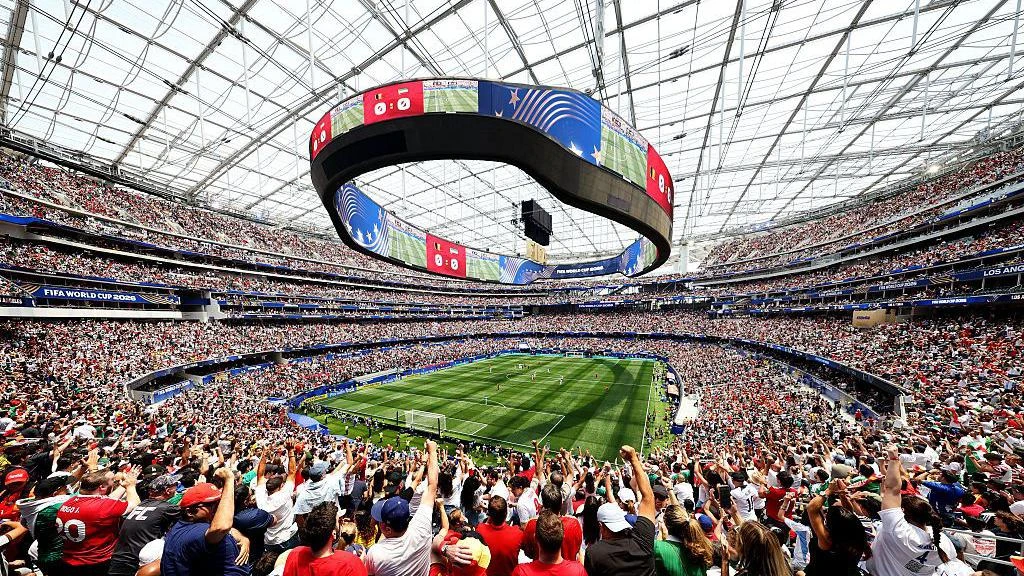
Mexico v Ecuador adds another layer to the tournament map because it ties host-country atmosphere to knockout stakes, with Mexico’s Azteca serving as both a football stage and a scouting post for England’s possible next opponent. England v DR Congo shows how the bracket can turn preparation into a live national storyline, since one result can shape the route toward the next round and beyond. In a tournament spread across Canada, Mexico and the United States, those travel-heavy, cross-regional ties are part of the competitive story, not just the backdrop.
What the last-32 says about the tournament’s expanding map
The most important change is not simply that more teams qualify. It is that more kinds of teams now shape the knockout stage: debutants, third-place survivors, revived middle-tier sides and heavyweights that can no longer assume they will meet only fellow giants deep in the tournament. FIFA’s new format, with 48 teams, 104 matches and a bracket that runs from the Round of 32 to the July 19 final, has widened the competitive map and made the opening knockout round the clearest test of who adapted best to it.
By the time the round closes on July 3, the field will already have shown which stories can survive across continents, climates and styles of play. That is the point of the new era: the last-32 is not a formality on the way to the real tournament, but the stage where the real tournament finally decides which nations can keep going.