Sports
BBC Sport ranks France top after all 48 World Cup teams play first match

- France
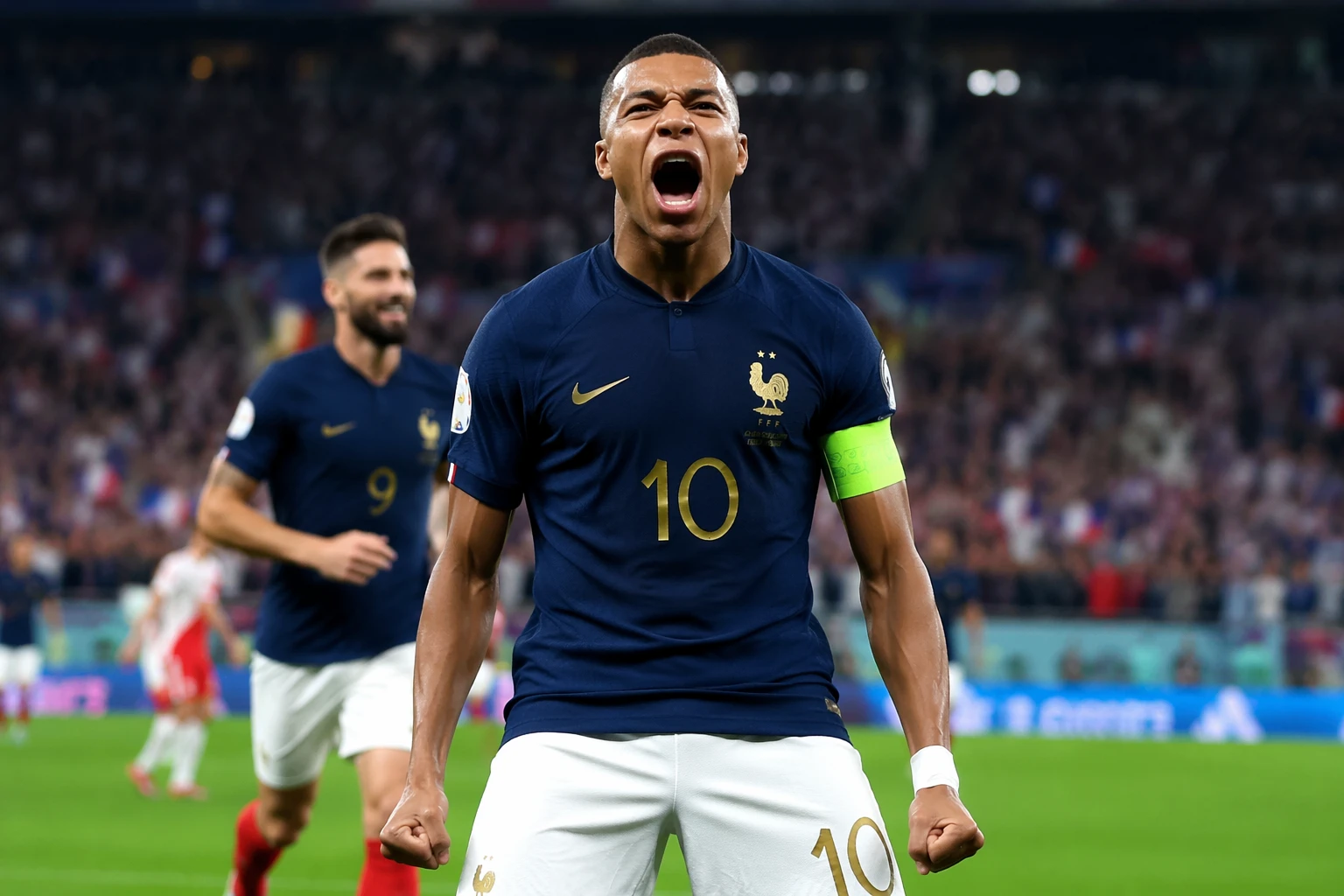
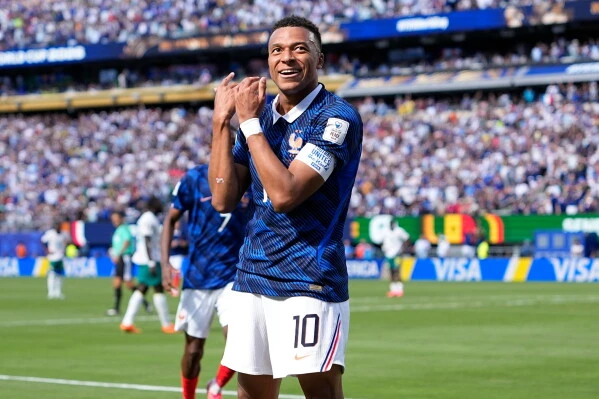
BBC Sport put France first after its opening 3-1 win over Senegal, calling it a rampant second-half performance and a side with strength in every position. The key point is not just that France was top, but that it reached No. 1 ahead of Argentina, the defending champions, on first-match evidence alone.
- England
England’s 4-2 win over Croatia pushed it into second place, with Harry Kane driving an attack that BBC Sport said could have scored even more. The slight concern the ranking notes is at the back, which is exactly the kind of warning sign one opening game can expose without settling the bigger picture.
- Argentina
Argentina stayed in the top three after beating Algeria 3-0, but it was still not enough to top the ranking as reigning champion. BBC Sport’s framing showed how Lionel Messi’s presence lifts expectations, even when the result is already comfortable.
- Germany
Germany’s 7-1 demolition of Curaçao was impossible to ignore, and BBC Sport made that explicit by placing it fourth. The scoreline is a perfect reminder that one runaway result can dominate a ranking, even when the opposition is not elite.
- United States
The United States landed in the top five after a slick 4-1 win over Paraguay, with BBC Sport calling it a surprise inclusion. The home crowd matters here too, because in a global tournament the atmosphere can magnify how impressive a performance feels.
- Norway
Norway rose to sixth after beating Iraq 4-1, with the ranking built around Erling Haaland’s fit inside the team’s structure. That kind of player-centric judgment is fair after one game, but it can also make a side look more complete than the full tournament sample eventually proves.
- Colombia
Colombia’s 3-1 win over Uzbekistan put it seventh, and BBC Sport highlighted both power and pace, plus the spark provided by Luis Diaz. In a 48-team field, the teams that look sharp and direct on day one can suddenly feel more dangerous than their pre-tournament billing suggested.
- Morocco
Morocco drew 1-1 with Brazil, but BBC Sport still ranked it eighth because it threatened to blow Brazil away early and appeared to have more in reserve. That is the kind of result-first-versus-performance gap that makes first-match rankings useful, but never definitive.
- Brazil
Brazil’s 1-1 draw with Morocco left BBC Sport questioning whether this was the Brazil of old, even though the squad still refused to be beaten. The ranking is a reminder that pedigree alone no longer guarantees a top slot once the whistle has been blown.
- Sweden
Sweden’s 5-1 win over Tunisia rounded out BBC Sport’s top 10, helped by two of the Premier League’s deadliest strikers and a midfield that arrived with real goal threat. Big scorelines can move quickly in an opening-round table, especially when the format offers room for fast recovery.
- Australia
Australia beat Turkey 2-0 and came in at 11th, with BBC Sport stressing pace and control against a side that had been favoured on paper. That is exactly the kind of mismatch that can make the first round look more settled than it really is.
- Spain
Spain’s 0-0 draw with Cape Verde was the shock result of the tournament so far, yet BBC Sport still believed it created enough chances to justify optimism. A scoreless draw can distort ranking logic just as much as a thrashing, because control and finishing are not the same thing.
- Netherlands
The Netherlands drew 2-2 with Japan and was left with defensive concerns that kept it from climbing higher. That is the exact sort of nuance a one-game ranking can capture, while still overstating how permanent the problem might be.
- Mexico
Mexico’s 2-0 win over South Africa put it 14th, with BBC Sport saying it looked levels above a poor opponent. The late red card for Cesar Montes is a useful reminder that even a clean-looking win can carry costs that do not show up immediately in the ranking.
- Japan
Japan drew 2-2 with the Netherlands and was praised for fighting back from the brink, but BBC Sport wanted more ambition from a team long billed as a dark horse. First-match rankings often reward resilience, even when the underlying performance remains incomplete.
- Scotland
Scotland’s 1-0 win over Haiti was enough to place it 16th, but BBC Sport still called it a poor performance. That contrast, between result and display, is the central warning of any opening-round table.
- One game is a thin sample
BBC Sport said a small team of journalists watched every side’s opening match, so the ranking is built on the narrowest possible tournament sample. In a 48-team World Cup, that means one night can move a side several places for reasons that may not last.
- France over Argentina is the headline
The ranking matters because it put France above the defending champions after just one match each. That is the clearest sign that opening-round performance is being valued over status, even though the gap between the two may narrow or widen over 104 matches.
- Messi still changes the frame
BBC Sport’s note on Argentina made clear that Lionel Messi’s presence and genius still carry weight in any ranking. That kind of superstar effect is real, but it can also mask whether the team around him is as convincing as its reputation suggests.
- Haaland creates a different kind of bias
Norway’s rise showed how a single forward can pull a team upward in perception when the plan is built around him. Haaland’s influence is not just about goals, it is about how the first match makes the entire team look more coherent than the full tournament may later prove.
- Scorelines can overwhelm context
Germany’s 7-1 win was the most obvious example of a ranking being pulled by the scoreboard. A heavy victory can look like proof of title-worthiness even when the opponent’s quality makes the evidence less robust.
- Home advantage is part of the story
The United States’ surge into the top five came with the home crowd on its side, and that matters in a tournament spread across Canada, Mexico and the United States. Home support can sharpen a one-match impression far beyond what the same performance would look like on neutral ground.
- Pace travels well in rankings
BBC Sport singled out Australia for its pacy performance against Turkey, which is the kind of trait that tends to jump off the page after one game. Pace can make a team look more dangerous than its broader tactical balance would suggest over time.
- Power and quickness matter too
Colombia’s mix of power, speed and star quality gave it a higher place than some bigger names with less convincing starts. In a short sample, those physical traits can look like a real edge even before stronger opponents test them properly.
- Draws are not equal
Morocco’s draw with Brazil was ranked above Brazil because the performance, not just the result, looked more vibrant early on. In a group-stage format, that distinction can matter as much as points when observers are trying to separate contenders from pretenders.
- A shaky start is not the same as a weak team
Brazil’s No. 9 placement reflected uncertainty, not collapse. That is exactly why first-match rankings can be misleading, because a single flat outing can hide the depth and adaptability of a side that is still very much in the mix.
- A 0-0 can be more revealing than a win
Spain’s scoreless draw was called a shock, yet BBC Sport believed it created enough to win several times over. That kind of performance suggests the ranking is trying to read process, not just result, which is sensible but still vulnerable to overreaction.
- Defensive concerns show up quickly
The Netherlands were not punished for drawing with Japan, but they were held back by questions at the back. In a 48-team field, where eight third-placed sides can still move on, that sort of warning may be more important than a single missed chance.
- Late discipline can change the read
Mexico’s late red card for Cesar Montes is a reminder that a first match is not only about the score, but also about the damage carried forward. With so many matches still to come, one disciplinary lapse can matter long after the ranking is published.
- Weak opposition can flatter anyone
Germany’s runaway win and Mexico’s comfortable result both came against opponents BBC Sport viewed as far less convincing. That is why the first round can inflate expectations, especially when the gap in class is obvious from the start.
- The expanded field makes elite separation harder
This is the first 48-team men’s World Cup, with 12 groups of four and a broader talent spread than the 32-team format ever had. More teams mean more chances for one sharp performance to look like a breakthrough, even when it is only an opening statement.
- The knockout path is wider than before
FIFA says the top two teams in each of the 12 groups, plus the eight best third-placed sides, will advance to the Round of 32. That structure keeps more teams alive deeper into the tournament, which makes early rankings feel urgent but still far from final.
- More games mean more correction time
The tournament will last 104 matches, so a first-match ranking is only a starting point in a long arc. Over that many fixtures, some teams will prove the opening table right, but others will expose how quickly one result can mislead.
- The calendar is built for momentum swings
The World Cup runs from 11 June 2026 to 19 July 2026, giving teams just over five weeks to turn a hot start into real control. That compressed window raises the value of a first impression, but it also leaves plenty of time for the rankings to age badly.
- Three host countries add another layer
Canada, Mexico and the United States are sharing the staging duties, which means environment and travel are part of the competitive equation. A ranking after one game can never fully account for how different venues shape performance from one round to the next.
- Sixteen host cities widen the variance
FIFA says matches are being played across 16 host cities, which makes the tournament as geographically spread out as any in World Cup history. That breadth matters because opening-night rhythm in Mexico City or Dallas does not guarantee the same feel elsewhere.
- The squad field is historically deep
FIFA confirmed a record 1,248 players representing 48 nations in final squad submissions on 2 June. That depth makes the tournament richer, but it also makes first-match rankings less stable, because the talent gap between teams can be smaller than it first appears.
- The 12-group model was a deliberate choice
FIFA said it selected 12 groups of four after considering sporting integrity, player welfare, team travel and the fan experience. That means the structure was designed to balance expansion with restraint, which is exactly why one result should not be mistaken for a full verdict.
- Participation was the point of expansion
FIFA described the enlarged tournament as one that would open the door to more nations, players and fans than ever before. The upside of that ambition is obvious, but the trade-off is that rankings after one match must absorb a much broader and noisier field.
- The final is already fixed as the destination
The tournament closes on Sunday, 19 July, with the final in New York New Jersey. That gives every early ranking a built-in ceiling, because the first round can only suggest direction, not determine who gets to the last day.
- The opener sets the tone in Mexico City
FIFA’s schedule places the opening match in Mexico City, which gives the tournament a strong geographic and symbolic launch point. Opening venues matter because they frame the first wave of impressions that rankings are built on.
- The full field is already known
FIFA has confirmed the qualified teams, including the hosts Canada, Mexico and the United States, plus the rest of the 48-nation field. Once the field is fixed, the debate shifts from who qualified to how quickly anyone can truly be separated from the pack.
- Opening-match rankings reward what is visible
BBC Sport’s list leaned hard into what the journalists saw on the pitch, which is sensible for a first-pass ranking. But visible dominance, like France’s second-half surge or Germany’s seven-goal burst, does not always translate cleanly into tournament-long superiority.
- Reputation is no longer enough
Argentina’s status as defending champion was not enough to keep it first, and that is the ranking’s sharpest message. In a tournament this large, status is useful context, but it is no substitute for what the opening 90 minutes actually produced.
- The expanded format makes surprises easier to sustain
With eight third-placed teams also advancing, a surprising early showing can stay alive longer than in the old format. That keeps more of the field relevant, but it also means the first rankings can overvalue a moment that later turns out to be only a foothold.
- The players make the scale feel real
FIFA’s 1,248-player tally is a reminder that this is not just a bigger World Cup, but a much larger competitive ecosystem. A ranking after one round is therefore judging a huge and varied field, where one performance is only a tiny slice of the whole.
- The opening round is the noisiest point in the tournament
After every side has played once, the table is equal parts evidence and illusion. Some teams, like France and Germany, look like they changed expectations immediately; others, like Brazil and Spain, show how quickly a single result can distort the longer picture.
- France may be first, but the verdict is provisional
BBC Sport’s ranking crowns France for now, and the format guarantees that plenty can change before the Round of 32 and beyond. That is the real story of the first 48-team World Cup: the opening ranking is meaningful, but the expanded tournament is built to test whether it was ever truly right.