Sports
BBC Sport rates the best 2026 World Cup stadiums
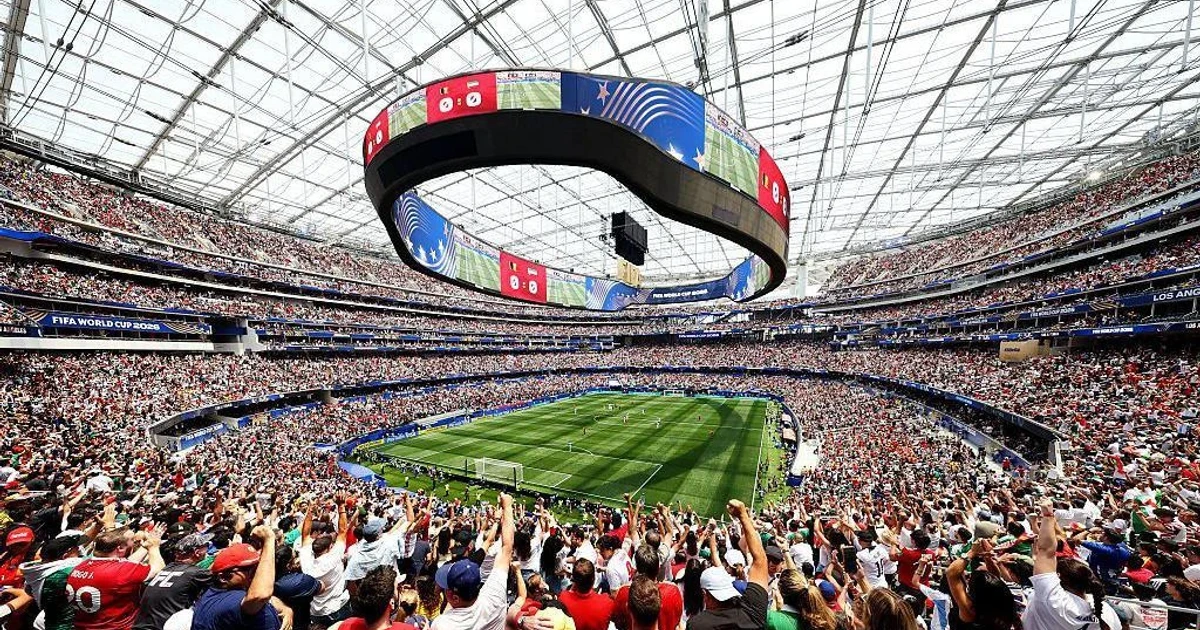
The 2026 World Cup stretches from 11 June to 19 July across 16 host cities in Canada, Mexico and the United States, with 48 teams and 104 matches spread across the continent. FIFA's revised schedule, released on 6 December 2025, has made the stadium question as important as the football itself: which venues deliver atmosphere, sightlines, movement and a sense of place.
- Seattle Stadium, Seattle
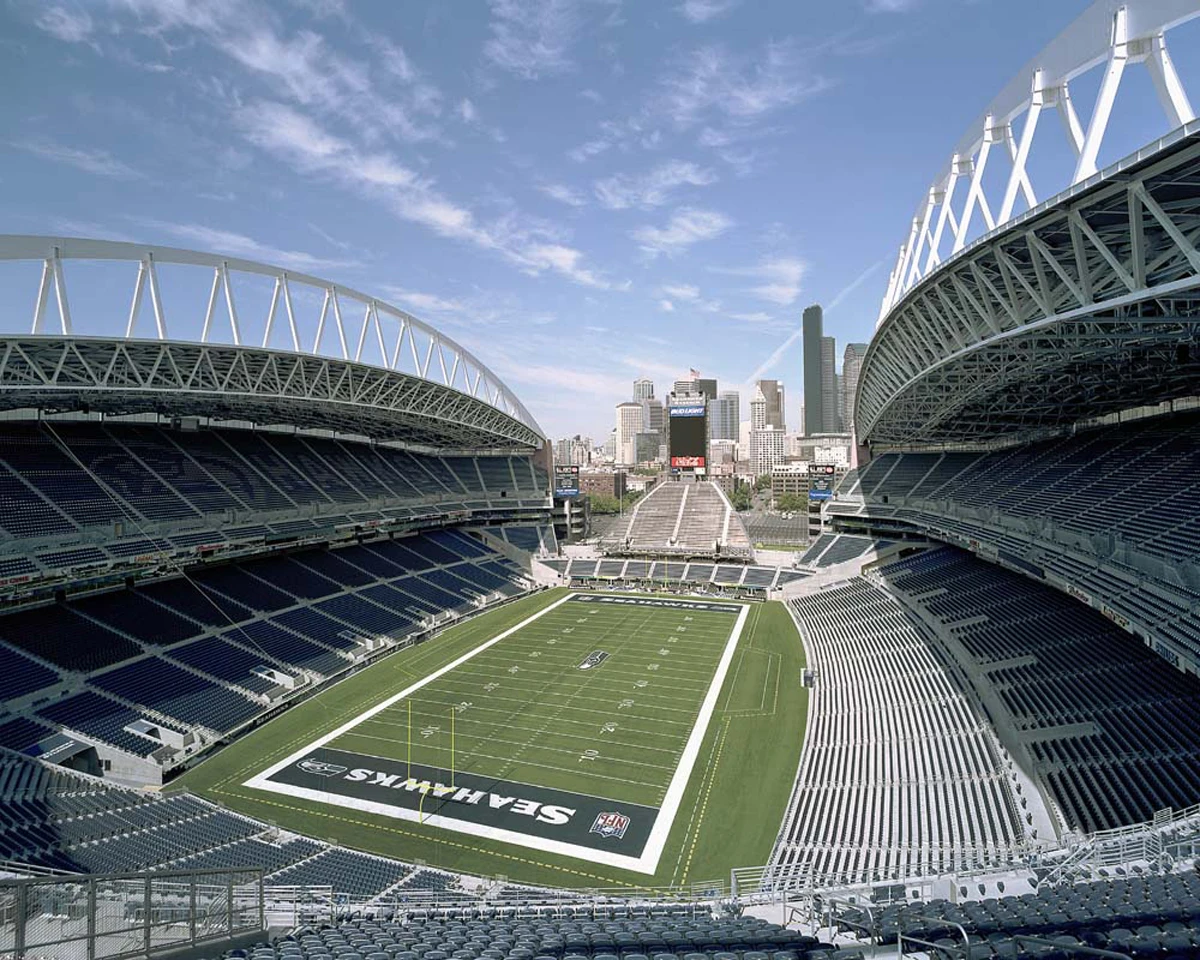
Gary Rose puts Seattle Stadium, better known as Lumen Field, at the top because it feels built for the modern tournament. It sits downtown, opens onto Seattle's skyscrapers on one side and Mount Rainier on the other, and is set to host six matches, four group-stage games, one round of 32 tie and one round of 16 tie. The schedule runs from Belgium vs Egypt on 15 June through USA vs Australia on 19 June, Bosnia-Herzegovina vs Qatar on 24 June and Egypt vs IR Iran on 26 June, with knockout matches on 1 and 6 July.
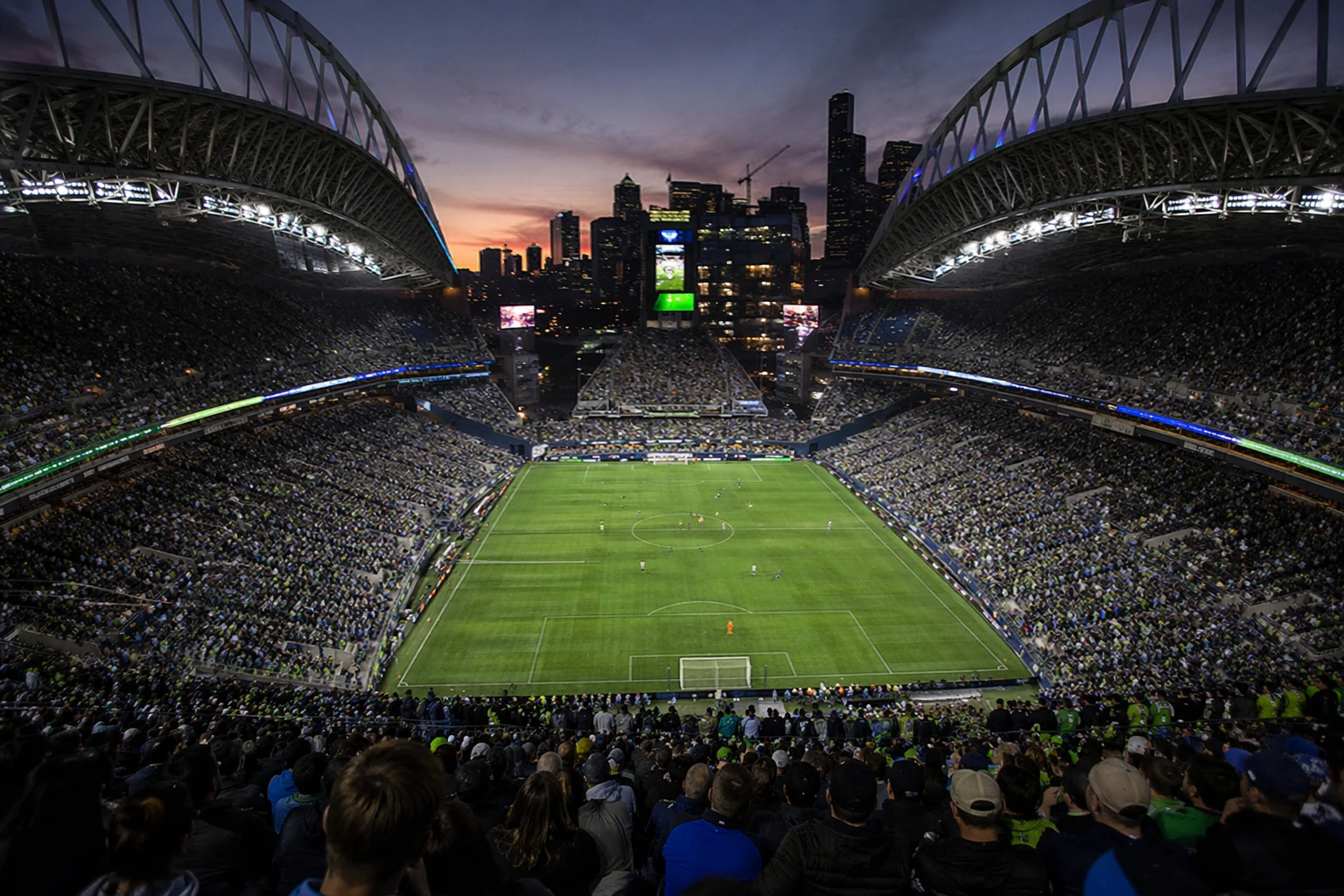
The venue has an institutional case behind it as well. Washington state legislation that authorised public funds specifically referenced the ability to host the FIFA World Cup, while the stadium's operators highlight sustainability plans and its reputation as one of the loudest stadiums in the world, with crowd noise once registering on seismic monitoring equipment. That combination of transit-friendly location, steep atmosphere and a big match list gives Seattle the shape of a stadium that could matter long after the World Cup leaves.
- Estadio Azteca, Mexico City
John Murray treats Estadio Azteca as the tournament's emotional summit, and the case begins with history. It is the only stadium ever to host three men's World Cups, after staging matches in 1970, 1986 and 2026, and it opened this tournament with Mexico's 2-0 win over South Africa on 11 June, making it the first venue of the expanded 48-team era.
What separates Azteca from every other ground in this ranking is the weight of the moments it holds. Carlos Alberto's famous goal in the 1970 final and Diego Maradona's performances in 1986 are part of the stadium's identity, not museum pieces, and Murray's description of football history "oozing out of every crevice" fits the place because the structure still carries that memory in the way it looks and sounds. He also singled out the "cascade of sombreros" at the opening match, a reminder that the stadium's local culture is not decoration but part of the event itself.
- Boston Stadium, Boston
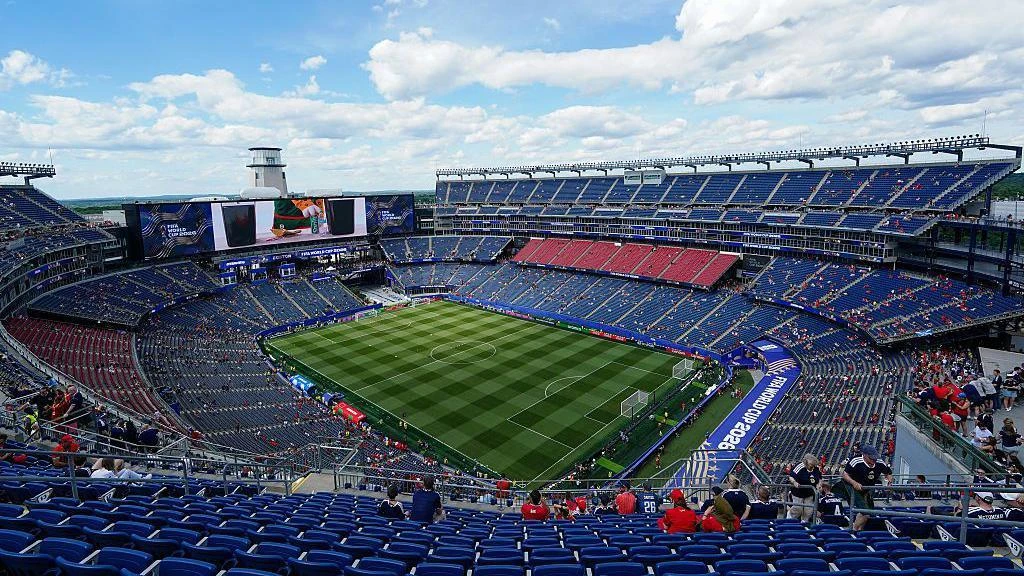
Pat Nevin's case for Boston Stadium is built less on mythology than on physical design. The home of the New England Patriots offers steeply banked stands and a view from almost every seat, and it backed that up with a full-capacity crowd of 64,146 for Scotland's 1-0 loss to Morocco. From the media level, the sightlines are so high that player identification becomes difficult, which is a problem for television analysis but proof that the bowl holds the crowd well.
The weakness is getting there. Signage is poor, the journey from Boston takes an eternity, and the people directing traffic do not always seem any more certain than the visitors they are trying to help. That makes Boston a venue where the viewing experience inside the stadium is strong, but the wider match-day experience falls short of the standard set by Seattle and, in a different way, Azteca.
With the final scheduled for New York New Jersey Stadium on 19 July, the tournament is already drawing a clear line between stadiums that simply house matches and stadiums that shape memory. The best of them combine access, sightlines, noise and local identity, and that is why Seattle, Mexico City and Boston reveal so much about what the 2026 World Cup is becoming.
Sources
- [1]bbc.co.uk
- [2]sports.yahoo.com
- [3]fifa.com
- [4]lumenfield.com
- [5]seattlefwc26.org