Sports
BBC Sport reporters pick their favourite World Cup moments, fans can vote
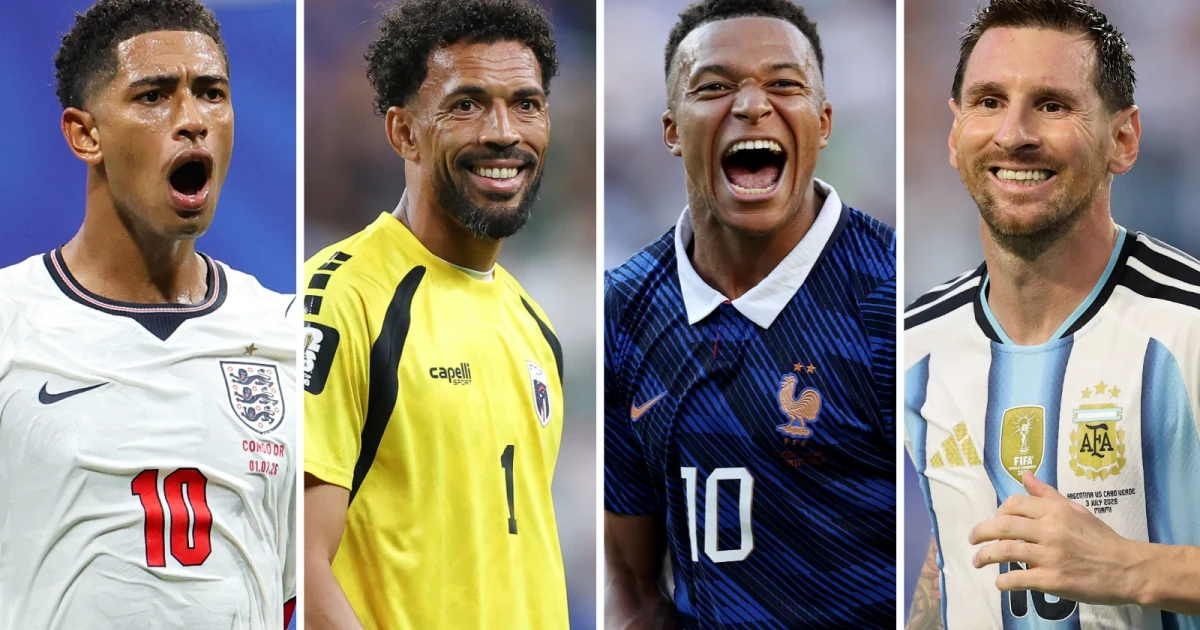
BBC Sport is once again letting fans help decide how a World Cup will be remembered. Its reporters are picking their favourite moments from the tournament, and readers can vote for their own. The format turns familiar superlatives into something more revealing: a quick way to see which goals, players and crowds defined the month.
How BBC Sport turns a tournament into a public memory
This is not a new habit for BBC Sport. After Argentina beat France in the 2022 final in Qatar, the site asked readers to choose the best World Cup of this century, reviewing every edition from 2002 in Japan and South Korea onward. That kind of comparison does more than settle a poll, because it puts different eras of the tournament into the same frame and asks which edition left the strongest imprint.
The same approach has shaped BBC’s World Cup coverage before and after that. Rather than treating the closing whistle as the end of the story, the broadcaster has repeatedly used votes, highlight packages and alternative awards to show how a tournament is remembered in public, not just in official records. The result is a running archive of what audiences value most when the football stops.
Why the familiar superlatives matter
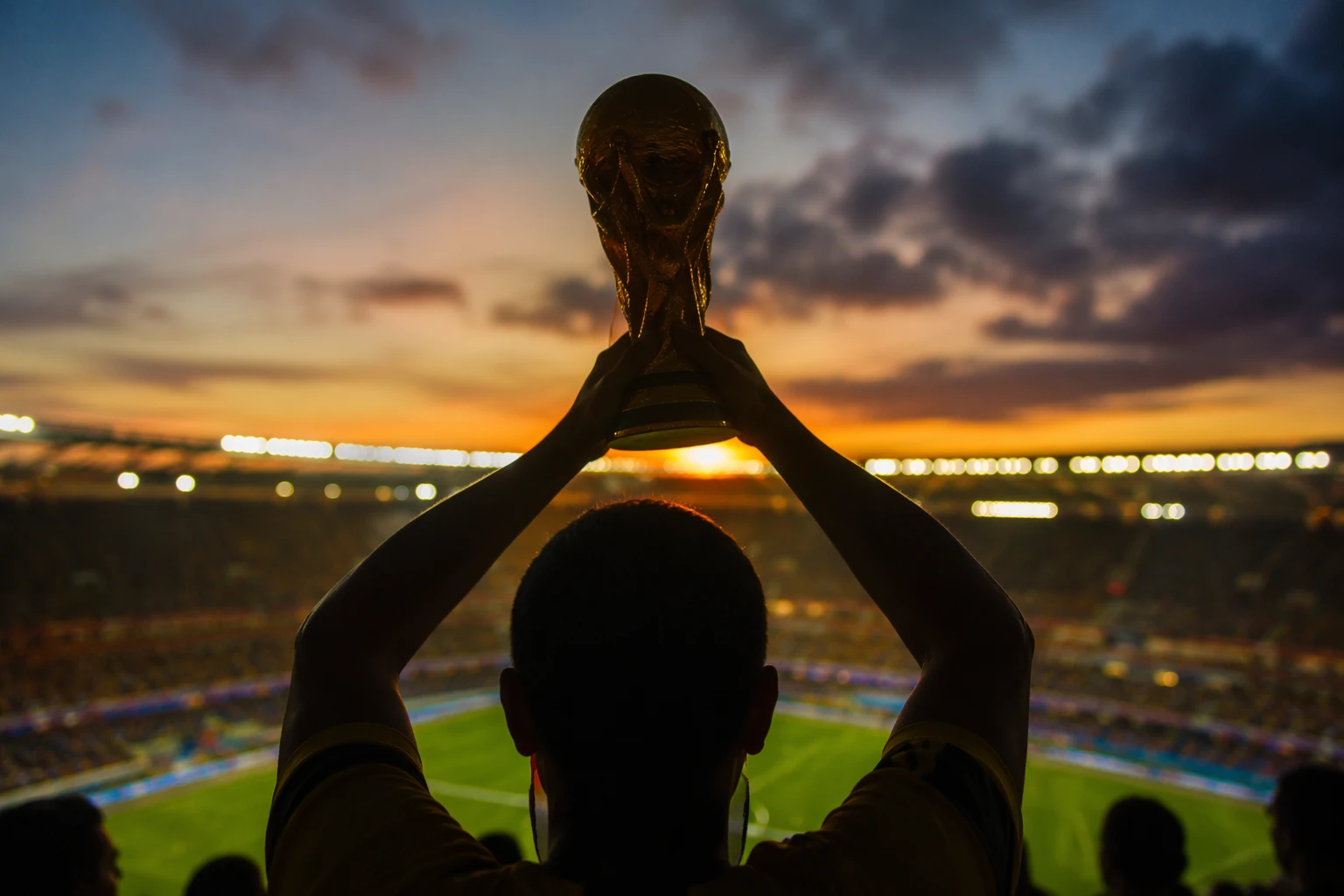
The recurring categories are simple, but each one points to a different part of the tournament’s identity. Best goal captures the technical peak, the strike that lives longest in clips and conversation. Best player shifts attention to the individual who controlled the narrative across multiple matches, while best fans and best dressed take the temperature of the stands and the visual culture around the games.
• Best goal is the cleanest test of pure quality, because one strike can outlast an entire tactical debate. • Best player reflects consistency across the tournament, not just a single headline moment. • Best fans and best dressed recognise that the World Cup is also a travelling festival of colour, noise and identity.
Those categories matter because they show how football memory is built from more than results. A World Cup can be remembered for a title, but it is often the individual scenes, crowd reactions and singular performances that keep it alive afterward.
What BBC’s 2018 packages showed
BBC Sport’s alternative awards package for the 2018 World Cup included best dressed and best fans, which made the point plainly: tournament culture is part of the story. In Russia, the football was only one layer of the event, with crowd style, national colour and the atmosphere in stadiums all becoming part of how the tournament was consumed and later recalled.
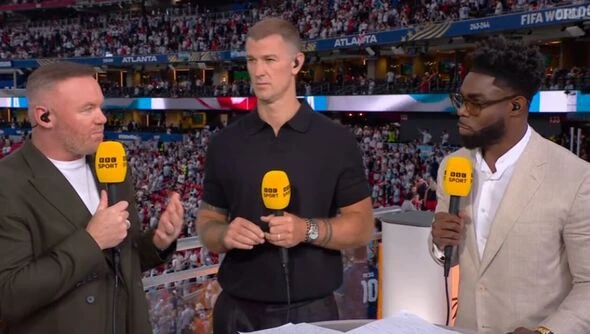
BBC also ran a separate 2018 best goal vote, and Benjamin Pavard’s strike in France’s last-16 win over Argentina won after three million fans voted on the FIFA website. That figure is a reminder that these awards are not niche add-ons. They can draw mass participation and create a shared public verdict on a moment that fans keep replaying long after the final.
FIFA’s awards system set the template
BBC’s World Cup voting fits into a wider awards culture that FIFA itself helped establish after splitting with the Ballon d’Or. When FIFA introduced the Best FIFA Football Awards, fans were able to vote for FIFA’s world player of the year, bringing a direct public element into a formal awards structure.
BBC explained the Best FIFA awards as being based on on-pitch performance and general conduct on and off the pitch. That combination matters because it shows how modern football honours now try to measure both performance and behaviour, not just statistics or trophies. The system has made awards feel less like private judgment and more like a contest over what kinds of excellence football should reward.
Brazil 2014 still shapes the standard
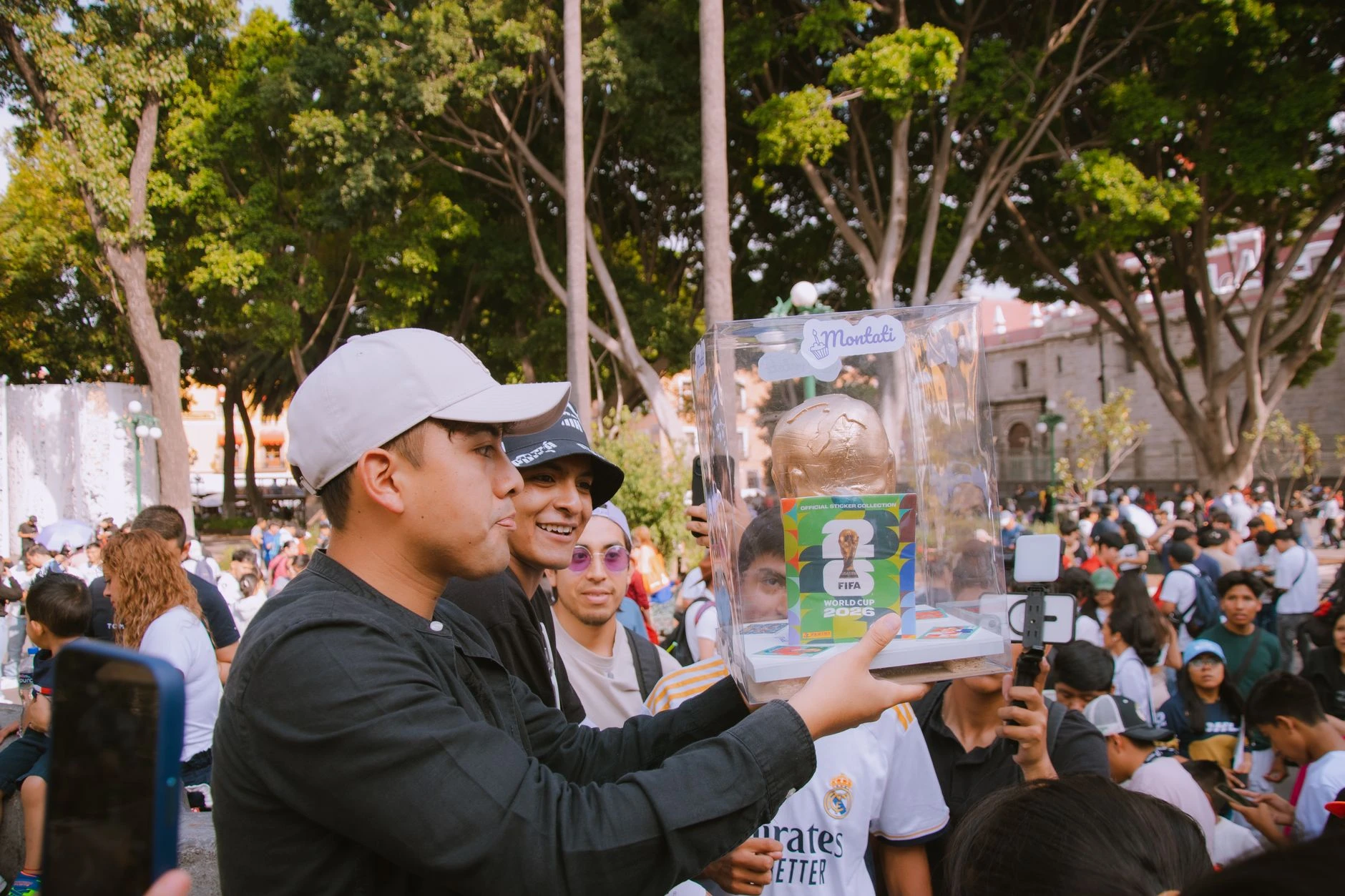
Brazil 2014 remains the benchmark for why this style of coverage works. BBC Sport described that tournament as widely recognised as one of the best World Cups ever, and it finished with a record-equalling 171 goals. A tournament that open produces more than a champion; it creates a dense catalogue of moments that invite sorting, replaying and arguing over for years.
BBC’s 2014 coverage highlighted players such as James Rodriguez, Mario Gotze and Guillermo Ochoa, which underlined how a World Cup can elevate different kinds of stars at once. One player can dominate through goals, another through a decisive final touch, and another through a sequence of saves that turn into highlights of their own. Those names endure because they helped turn a long tournament into a set of unforgettable images.
The current BBC Sport vote sits in that same tradition. It does not just ask which moment was best; it asks what kind of World Cup this was, and which flashes of quality, atmosphere and personality deserve to define it in memory.