Sports
BBC tackles live sports stream lag to stop digital spoilers
Ofcom's World Cup guidance, titled “Keep up with play and avoid the delay during the World Cup,” reminded fans that live sports online could still trail television by 5 to 20 seconds. The regulator said that gap applied across terrestrial, satellite and cable broadcasts, while streamed audio arrived much faster and online live feeds could fall further behind depending on the platform and workflow.
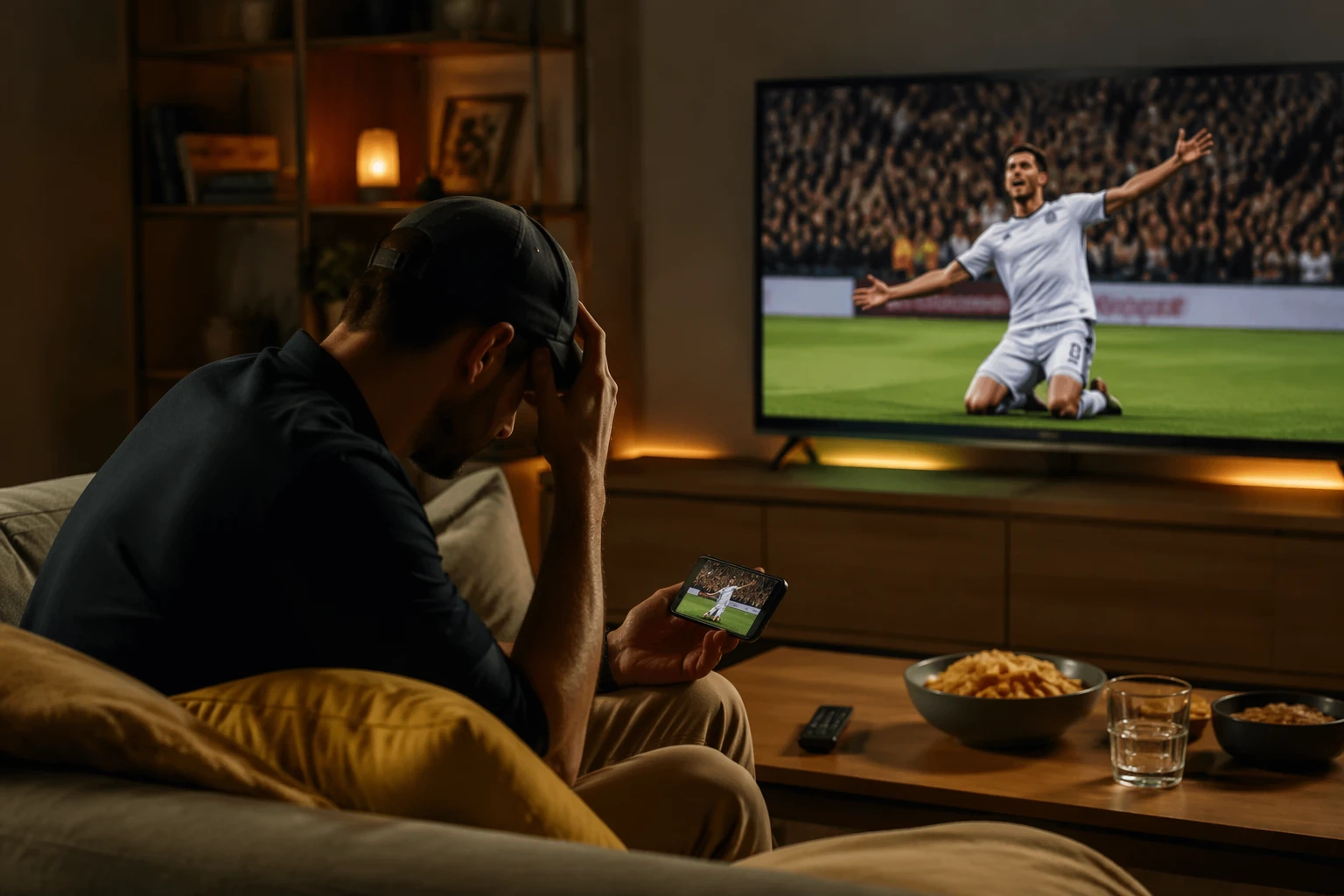
That timing gap matters most in football, where a goal, a red card or a penalty can change a match in one kick. The BBC saw how stark the problem could be during the 2018 FIFA World Cup in Russia, when it said many online viewers heard neighbours cheering goals they had not yet seen because the stream lagged behind TV. WIRED described the same effect as confusion, with cheers from a more up-to-date feed giving the game away before the picture caught up.
BBC Research & Development said on 13 September 2018 that it had solved the BBC iPlayer World Cup lag with a prototype shown at IBC in Amsterdam. The BBC said the fix was meant to eliminate the gap between internet-delivered live streams and broadcast TV, and SportsPro reported the next day that the broadcaster claimed to have worked out how to bring online sports streams up to speed with television. The episode turned latency from a technical nuisance into a consumer issue, because the broken promise in “live” was suddenly audible in living rooms and apartment blocks.

By 2026, the fight over delay was still active. Ofcom’s June 9 guidance signaled that fans could still run into lag when watching live matches online, and later coverage pointed to BBC iPlayer low-latency trials and Sky’s Real Time feature for selected live sports broadcasts. Those efforts show how broadcasters are trying to shrink the gap between the moment a ball crosses the line and the moment it appears on screen, while keeping online delivery stable enough to work at scale. In a sport built on seconds, even a short delay is enough for a neighbour’s cheer to spoil the goal first.
Sources
- [1]nytimes.com
- [2]ofcom.org.uk
- [3]bbc.com
- [4]bbc.co.uk
- [5]sportspro.com
- [6]advanced-television.com
- [7]wired.com