World
BBC traces 60 years of South Asian programming in Britain
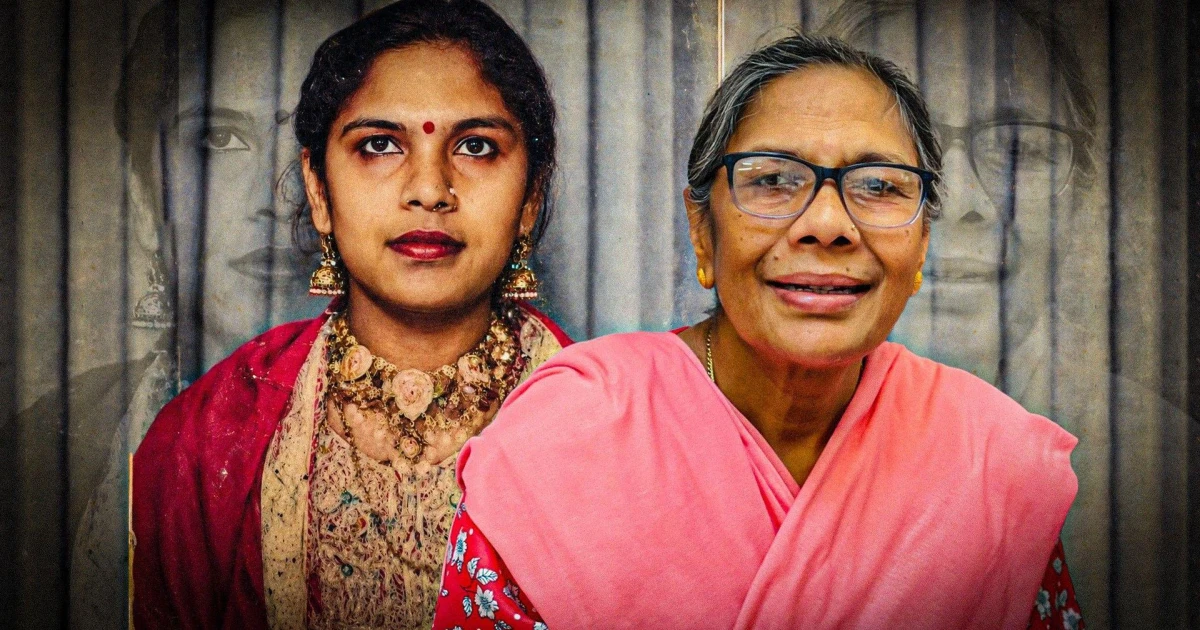
The BBC’s South Asian output began as a form of settlement support as much as a cultural service. Music, familiar voices and practical tips helped newcomers navigate work, housing and daily life in Britain, while also reducing the isolation that came with migration. The broadcaster’s 60-year marker in 2025 sits alongside local archives in Sheffield that show how long South Asian communities have been part of the city’s story.
A broadcaster that doubled as a guide
Early South Asian programming did not simply fill airtime for a niche audience. It helped listeners translate a new country into something usable, combining entertainment with information that mattered to people trying to settle into British life. That role becomes clearer when set beside BBC coverage of South Asian diaspora experiences that has reflected on loneliness in post-war Britain, where the emotional cost of migration was often as significant as the practical one.
That blend of culture and utility is why the BBC’s South Asian programming matters as an origin story for immigrant integration through media. For many listeners, the point was not only to hear music from home, but to find cues about how to work, live and belong in Britain. Public-service broadcasting was doing more than representing a community. It was helping to organize the daily realities of arrival.
Sheffield shows how deep the story runs
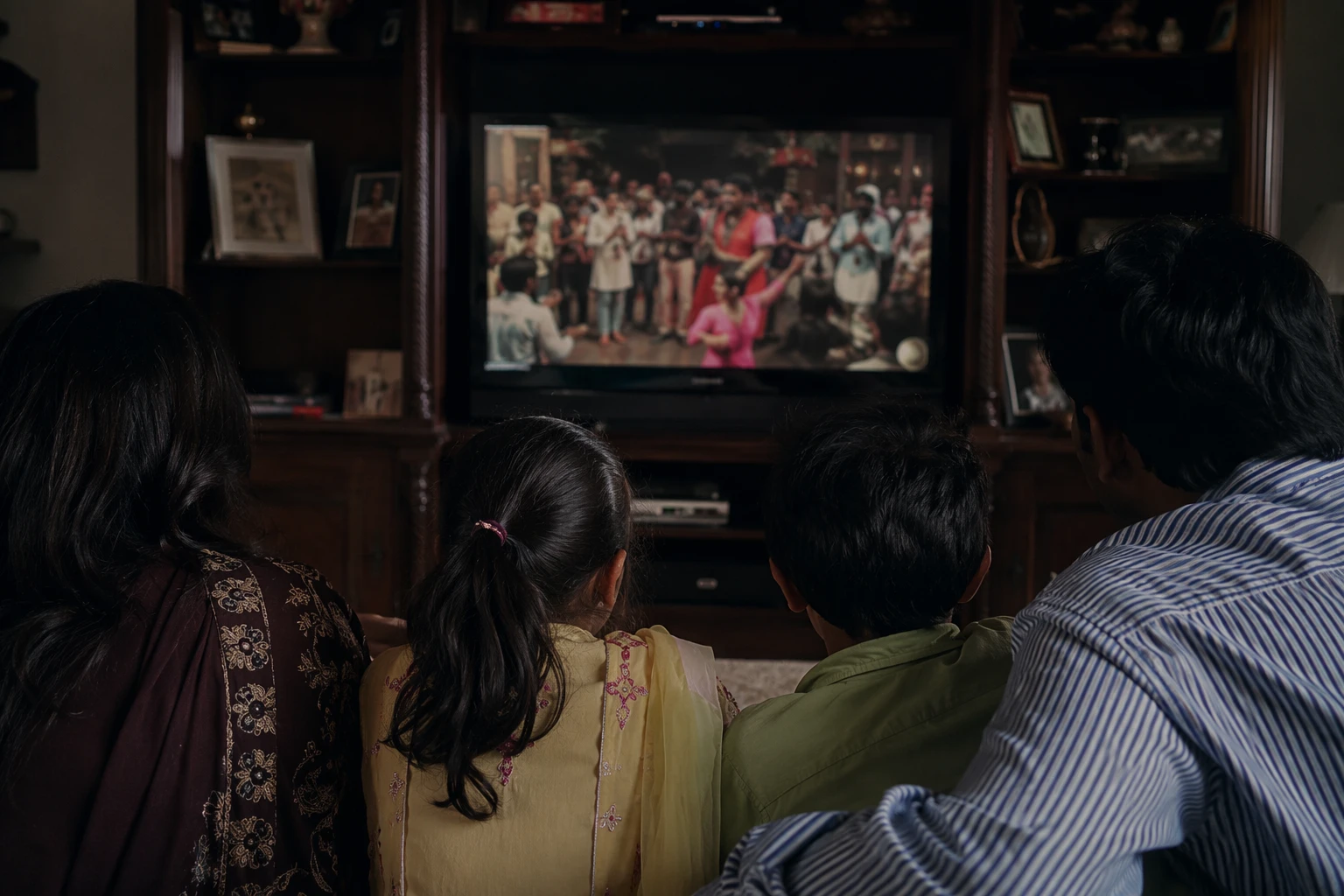
The Sheffield record pushes that history further back than many people expect. BBC Radio Sheffield has a clip titled Sheffield’s South Asian settlement in the 1920s, pointing to an earlier local presence that predates the post-war migration waves usually associated with South Asian Britain. The University of Sheffield’s History Matters blog, in Sheffield’s pioneering pre-war, South Asian settlers, adds that those settlers included men who came to work and build lives in Sheffield before the Second World War.
Those details matter because they show settlement as a gradual process, not a single migration moment. South Asian communities were present in the city before the Second World War, and later broadcasting built on that foundation by addressing audiences already trying to make a life here. The BBC’s South Asian programming therefore sits within a longer arc that runs from early local settlement to post-war adjustment and into today’s conversations about representation.
Sheffield City Council has also kept that memory in public view. In July 2017, it published Sources for the Study of Sheffield’s South Asian Communities, a PDF research guide for people tracing the city’s South Asian history. The existence of that guide signals sustained institutional interest in preserving community records, family histories and the documentary trail of migration.
Why the 60-year BBC milestone matters now
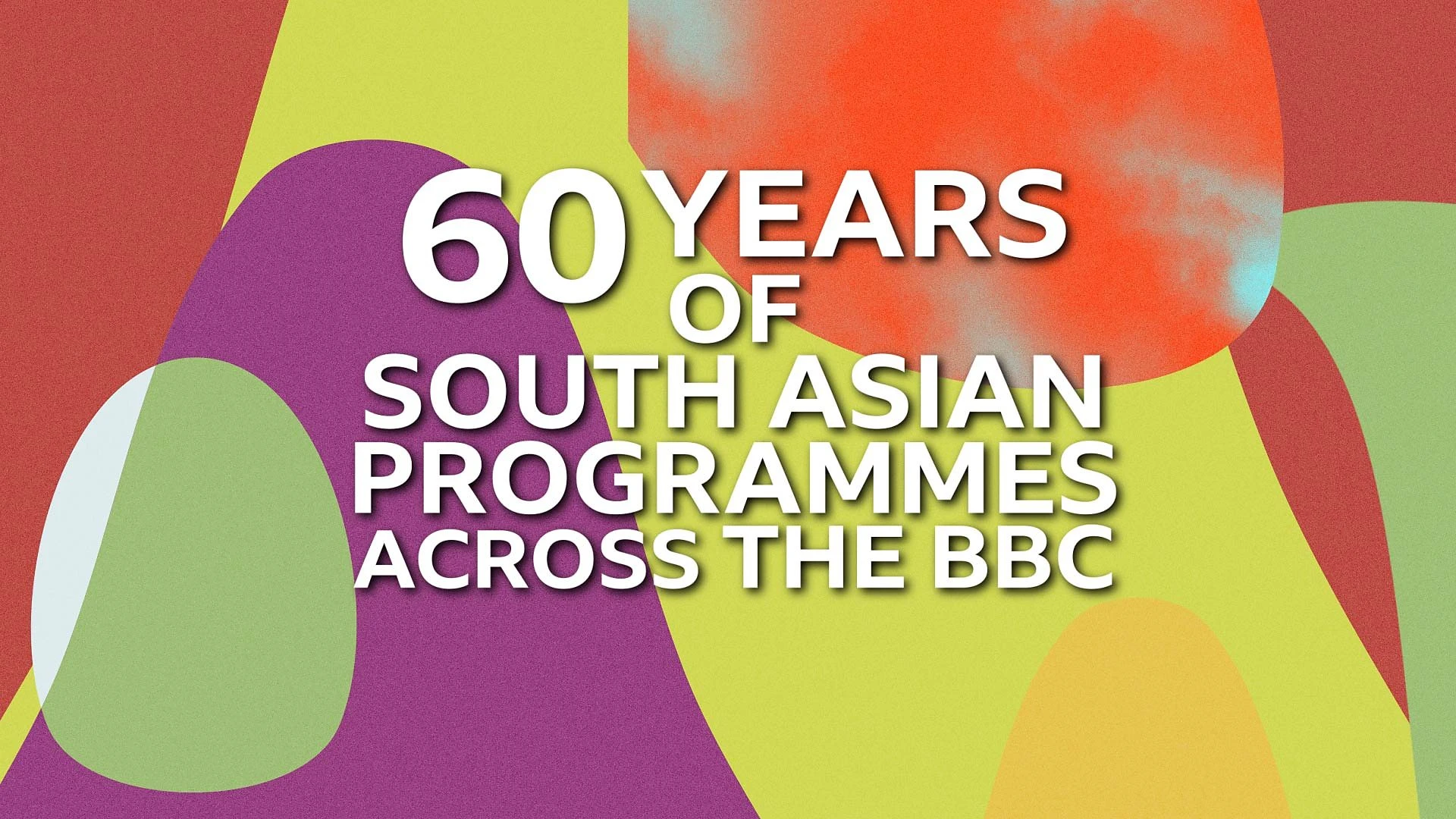
When the BBC marked 60 Years of South Asian Programming at the BBC in 2025, it was acknowledging a long institutional lineage rather than a short-lived special project. The milestone matters because it confirms that South Asian output was not peripheral to public broadcasting. It was part of the BBC’s broader responsibility to serve and represent communities that were already reshaping Britain’s towns and cities.
That history speaks directly to current debates about public-service broadcasting. Representation is not only about who appears on screen or on air. It is also about whether institutions help audiences find practical information, understand the social system around them and see their own lives reflected in national media. The BBC’s South Asian programming did all three, which is why it remains relevant in a period when broadcasters are asked to prove both public value and cultural relevance.
Heritage work has turned memory into a public conversation
The same themes surfaced in Sheffield Museums Trust’s Routes to Roots: A South Asian Heritage Project, which ran at Millennium Gallery from 28 January to 13 April 2025. The display brought together South Asian communities, artists and cultural partners in Sheffield, Croydon and Bradford to share migration stories and challenge stereotypes. That mix of places matters, because it shows South Asian heritage as a national network of local experiences rather than a single city’s story.

Projects like Routes to Roots extend the work that broadcasting started. They preserve memory, but they also give it a civic form, turning private family histories into material that museums, schools and local institutions can use. In a country where migration has often been discussed in abstract policy terms, that kind of display gives settlement a face, a timeline and a geography.
What this history says about settlement, representation and institutions
The full picture is not complicated, but it is important. South Asian programming on the BBC functioned as cultural lifeline, practical guide and community signal at the same time. Sheffield’s archives, museum work and university research show that the communities being served were already rooted in Britain long before many national narratives caught up.
The lesson for public-service broadcasting is straightforward: institutions matter most when they do more than broadcast at newcomers. They help people settle when they combine representation with usable information, and when they treat migration history as part of the national record rather than a side story. That is the thread running from early South Asian radio to Sheffield’s archives and to the BBC’s own 60-year marker in 2025.