Health
BCG shots show promise for long-standing type 1 diabetes, study finds

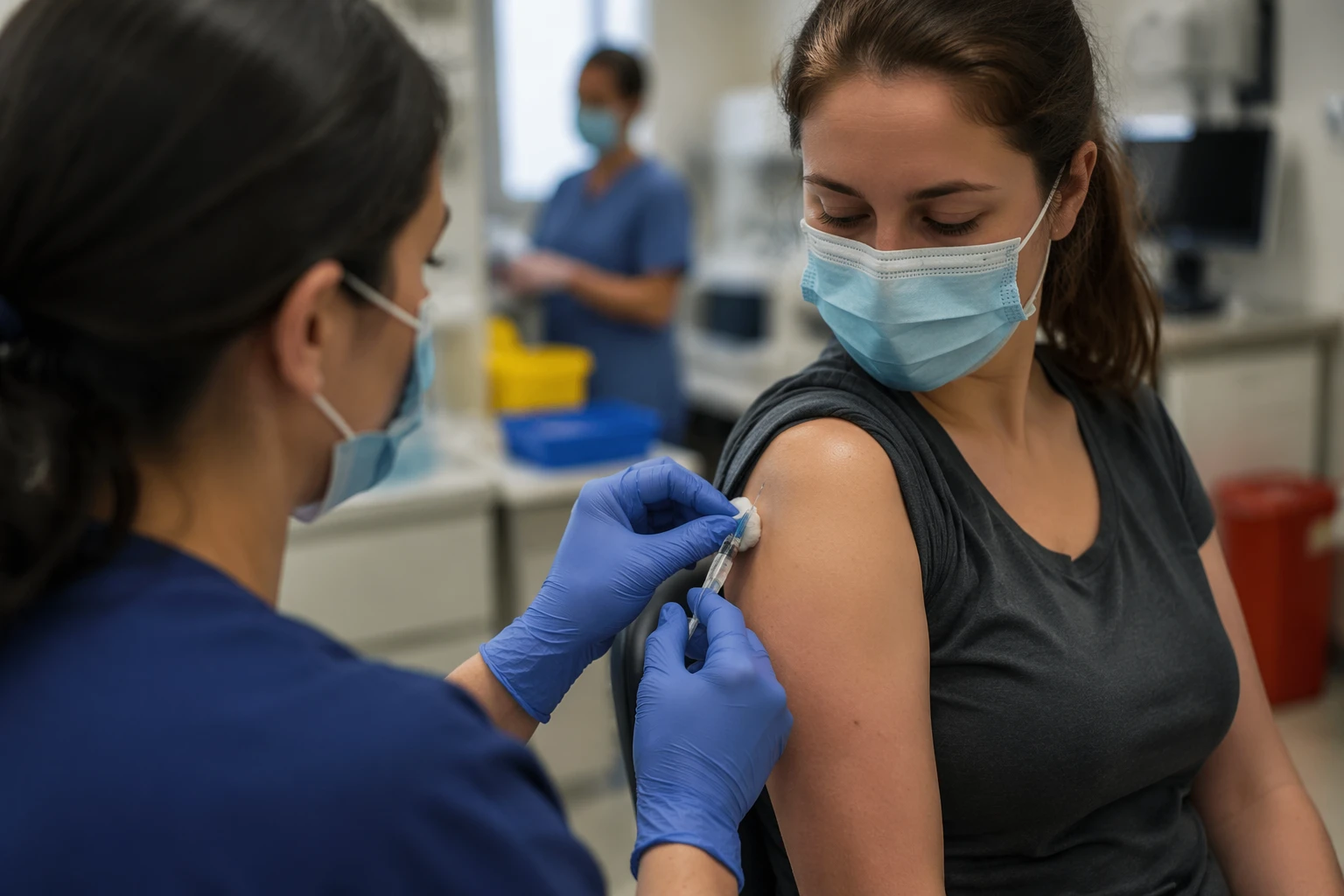
A decades-old tuberculosis vaccine may have nudged long-standing type 1 diabetes in a better direction, with a small phase II study finding sharper blood sugar control, lower insulin needs and no rise in low-blood-sugar episodes. The results, presented at the American Diabetes Association’s 86th Scientific Sessions in New Orleans, point to a possible treatment path that does not depend solely on replacing pancreatic cells.
The analysis covered adults with juvenile-onset type 1 diabetes, meaning their disease began before age 21. Thirty-four participants received repeated Bacillus Calmette-Guérin, or BCG, shots using the Tokyo 174 strain, while 24 received placebo. Over five years, mean HbA1c in the BCG group fell from 7.84% to 7.30%, and mean insulin use declined from 0.68 units per kilogram per day to 0.63. Continuous glucose monitoring showed as much as a 183.7% improvement over baseline in time spent in the normal glucose range, with no increased hypoglycemia.
The findings matter because they suggest the vaccine may be acting through the immune system in a way that extends beyond the pancreas itself. Denise Faustman, who led the work at Massachusetts General Hospital and Harvard Medical School, has argued that type 1 diabetes includes a metabolic defect in white blood cells, not only autoimmunity. In healthy people, those cells burn sugar for fuel; in type 1 diabetes, she has said, they appear to burn fat instead, a shift that may help drive abnormal glucose regulation.
The same abstract reported that C-peptide was low or undetectable when participants entered the study and had not improved by year 5. That is important because it suggests the blood sugar benefit did not come from restored beta-cell function. In other words, the trial hints at a way to improve glucose control even when the pancreas is not making much insulin, but it does not show that BCG repairs the underlying disease or replaces insulin therapy.
The trial is identified on ClinicalTrials.gov as NCT02081326, a 10-year randomized study sponsored by Massachusetts General Hospital that originally enrolled 150 people with juvenile-onset type 1 diabetes or latent autoimmune diabetes in adults. For now, the data are encouraging rather than definitive: a signal worth watching, but not yet a standard treatment.