Lifestyle
‘Becoming Chinese’: Foreigners Embrace China’s Lifestyle Trend With Enthusiasm
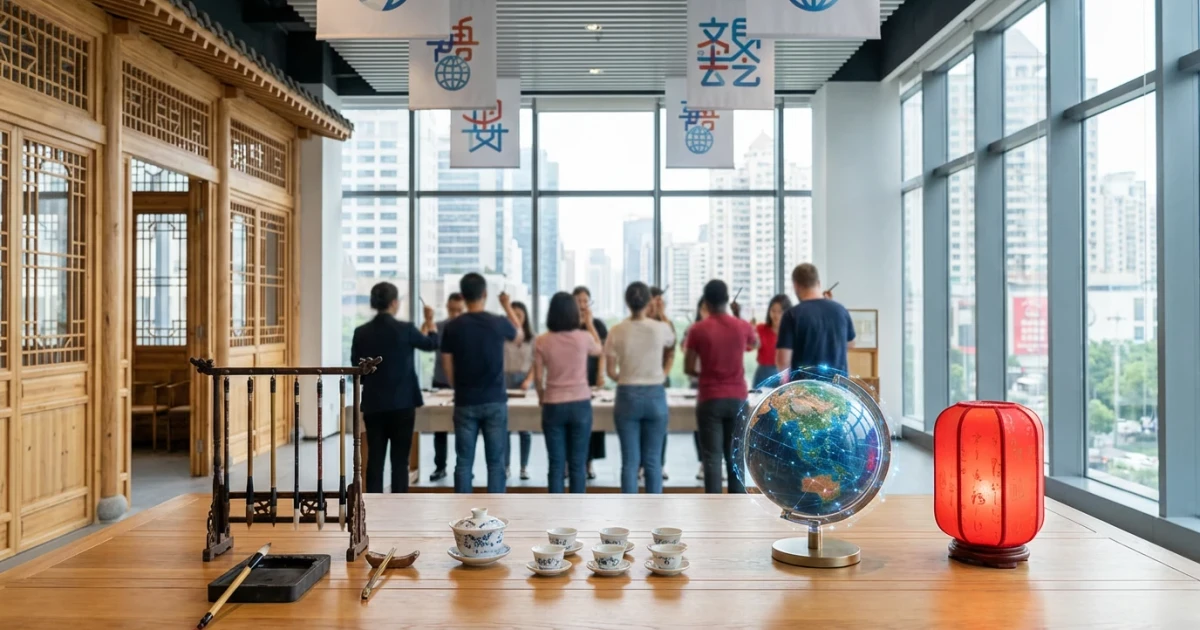
Foreigners around the globe are increasingly adopting Chinese customs, traditions, and daily habits in a growing lifestyle movement dubbed the 'Becoming Chinese' trend. This development, highlighted by VnExpress International, underscores a deepening cultural exchange and signals China's expanding influence beyond its borders.
What Is the 'Becoming Chinese' Trend?
The 'Becoming Chinese' trend refers to a phenomenon where non-Chinese individuals actively incorporate elements of Chinese culture into their everyday lives. This includes celebrating traditional holidays like Lunar New Year, embracing Chinese culinary practices such as tea ceremonies and hotpot gatherings, learning Mandarin, practicing calligraphy, and even adopting fashion influenced by Hanfu and qipao styles.
- Chinese language learning is surging among expatriates and international students
- Traditional Chinese medicine (TCM) remedies are seeing wider use globally
- Chinese social media platforms like Douyin and WeChat are gaining traction with foreign users
Why Are Foreigners Embracing Chinese Culture?
Several factors contribute to this trend. The rise of China as a global economic and cultural powerhouse has made its traditions more visible and attractive. International students, business professionals, and social media influencers highlight the appeal of Chinese values, cuisine, and aesthetics. Additionally, the global popularity of Chinese films, TV dramas, and pop music has fueled curiosity and engagement with the culture.
This movement is not just surface-level; many foreigners are immersing themselves by studying Chinese philosophy, adopting local etiquette, and participating in regional festivals. The trend is particularly pronounced in cities with large Chinese expatriate communities, where cross-cultural interactions are frequent and authentic experiences are readily accessible.
Impact on Cultural Exchange and Local Communities
The 'Becoming Chinese' trend is fostering greater mutual understanding and dialogue between China and the world. Foreigners participating in Chinese customs often report a deeper appreciation of local values and social norms. In turn, Chinese communities are welcoming this interest, viewing it as an opportunity for positive engagement and soft power expansion.
At the same time, the trend raises questions about cultural appropriation versus appreciation. Most observers note that genuine interest and respectful participation are key to ensuring meaningful cultural exchange.
Examples of 'Becoming Chinese' Practices
- Foreign students joining Chinese New Year celebrations and learning to make dumplings
- International professionals using WeChat for business and social connections
- Expat families adopting Chinese health practices, including tai chi and traditional herbal remedies
Looking Ahead: The Future of Cross-Cultural Lifestyles
The ongoing embrace of Chinese customs by foreigners suggests that global cultural boundaries are becoming more porous. As China continues to assert its presence on the world stage, the 'Becoming Chinese' trend may accelerate, leading to richer, more nuanced forms of cross-cultural interaction.
For those interested in this phenomenon, learning Mandarin, engaging with local communities, and exploring Chinese arts provide accessible entry points to a tradition that is both ancient and ever-evolving.
As the world becomes more interconnected, the willingness to adopt and adapt aspects of different cultures may be key to fostering international understanding and harmony.