Lifestyle
‘Becoming Chinese’ Trend on Social Media Signals Surge in China’s Global Cultural Influence
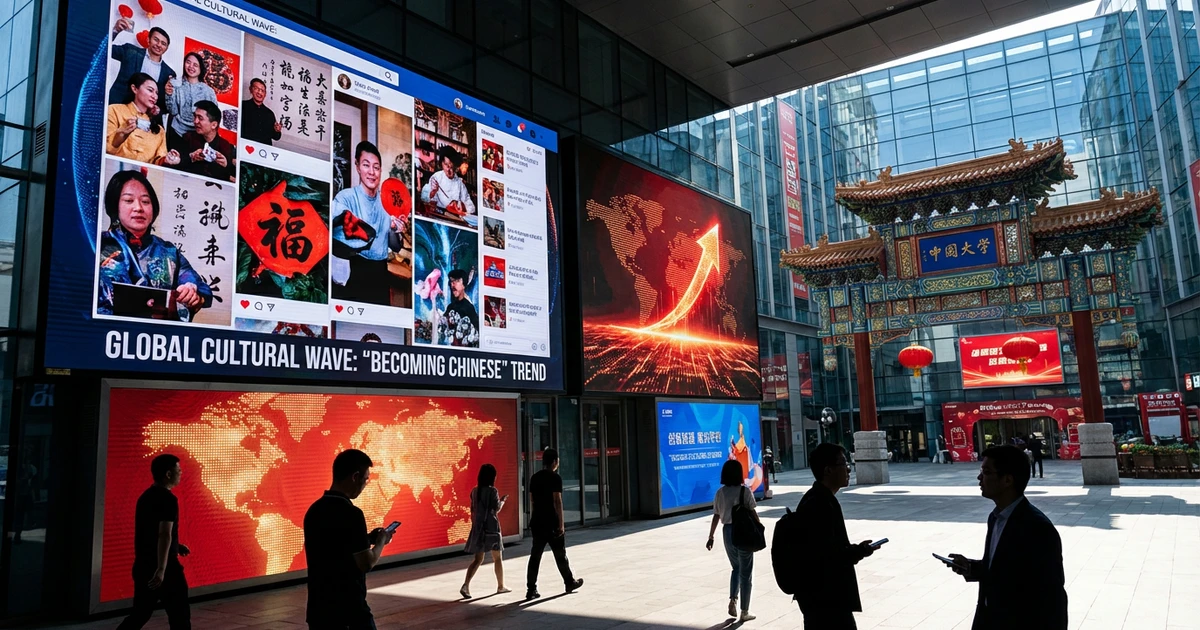
China’s cultural influence is making global waves, as evidenced by the viral social media phenomenon known as the “Becoming Chinese” trend. This movement, highlighted in a recent Xinhua report, is shining a spotlight on the growing allure of Chinese culture among international audiences and sparking new conversations about cultural exchange, identity, and the power of digital platforms.
What Is the “Becoming Chinese” Trend?
The “Becoming Chinese” trend refers to a wave of social media content where users from around the world actively engage with Chinese culture. Participants often share videos and photos of themselves adopting Chinese fashion, cuisine, language snippets, and even traditional customs. On platforms like Instagram, TikTok, and YouTube, hashtags related to this trend have garnered millions of views, underscoring its widespread appeal.
- Users showcase themselves wearing hanfu (traditional Chinese clothing).
- Content creators attempt Mandarin phrases or write Chinese calligraphy.
- Viral videos feature home-cooked versions of iconic dishes like dumplings, Peking duck, and hot pot.
- Some explore Chinese festivals, tea ceremonies, or popular internet slang.
A Reflection of China’s Growing Cultural Appeal
This trend is more than just a passing online fad—it reflects China’s expanding soft power. As noted by Xinhua, the increasing fascination with Chinese aesthetics and traditions is a testament to the country’s ability to inspire curiosity and admiration beyond its borders. The phenomenon aligns with broader efforts by China to promote its culture internationally through media, film, cuisine, and education.
Why Now?
Several factors have contributed to the rise of this trend:
- Globalization of digital platforms has made Chinese cultural content more accessible.
- Growing popularity of Chinese entertainment—from dramas to pop music—has sparked interest in associated cultural elements.
- International students and diaspora communities help bridge cultural gaps and fuel online exchange.
Impact and Reception
The “Becoming Chinese” trend has generally been met with enthusiasm, both in China and abroad. Many Chinese social media users express pride in seeing their heritage celebrated globally. For international participants, the trend offers a way to learn about another culture in an engaging, firsthand way.
However, the trend also raises important questions about cultural authenticity and appropriation. Some commentators urge participants to approach Chinese traditions with respect and to seek genuine understanding rather than superficial imitation. The prevalence of educational content and cross-cultural dialogue suggests that, for many, the trend is a gateway to deeper appreciation.
The Broader Context: China’s Soft Power Strategy
The “Becoming Chinese” trend fits into a larger story of cultural diplomacy. China has invested in Confucius Institutes, cultural festivals, and media exports to enhance its image abroad. Viral trends like this demonstrate the effectiveness of grassroots, digital-era approaches to soft power—where ordinary people, not just official campaigns, drive the spread of culture.
Looking Ahead
As social media continues to connect people across borders, trends like “Becoming Chinese” are likely to grow in influence. They highlight both the opportunities and responsibilities of cultural exchange in a globalized world. For China, the trend is a sign of increasing cultural confidence and global resonance. For participants, it’s a chance to discover, celebrate, and share in the richness of Chinese heritage.
To explore more about Chinese culture and its international impact, visit the China Culture official portal.
Sources
- [1]Xinhua