Health
Beef Tallow’s Comeback Sparks Debate Over Health and Tradition
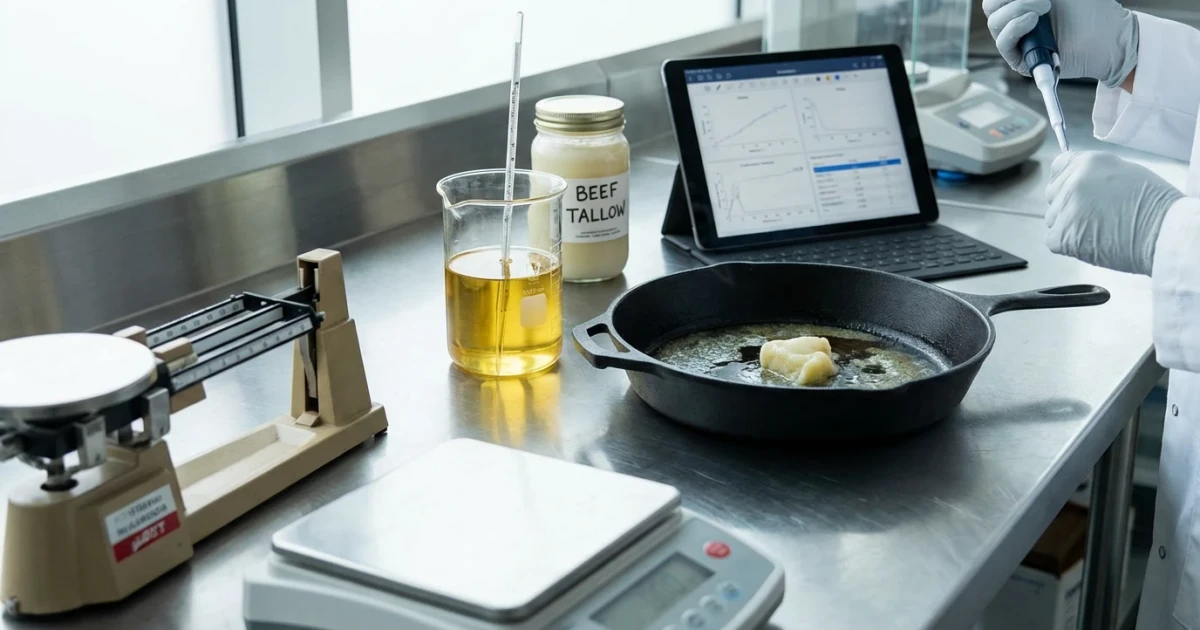
Beef tallow, once a staple in American kitchens, is back in the spotlight. The rendered fat from cattle is fueling debate among chefs, nutritionists, and consumers over its health impact and cultural roots. As more people seek out traditional ingredients, tallow’s resurgence is prompting questions about whether old-fashioned fats belong in modern diets.
Why Beef Tallow Is Trending Again
Beef tallow was common in American cooking until the late 20th century, when concerns over saturated fats shifted consumer preferences toward vegetable oils. Today, restaurants and food influencers tout tallow for its flavor and high smoke point, while social media users share recipes for fries and baked goods made the old-fashioned way.
- Statista data shows U.S. edible tallow consumption has climbed from around 900,000 metric tons in 2010 to over 1.1 million in 2023.
- USDA FoodData Central lists beef tallow’s nutritional profile as roughly 50% saturated fat per 100 grams, alongside monounsaturated and small amounts of polyunsaturated fats.
Health Concerns and Scientific Evidence
Much of the controversy centers on saturated fat. For decades, health authorities warned that animal fats like tallow raise cholesterol and increase cardiovascular risk. However, recent research provides a more nuanced view. Some studies suggest that not all saturated fats have the same effect, and that whole-food dietary patterns matter more than any single ingredient.
The Harvard T.H. Chan School of Public Health notes that replacing saturated fat with refined carbohydrates does not improve heart health, but swapping them for unsaturated fats (like olive or canola oil) may lower risk. The CDC reports obesity rates in the U.S. have climbed to over 40% in adults, fueling ongoing debate over the role of animal fats in chronic diseases.
The Regulatory Landscape
Unlike partially hydrogenated oils (PHOs), which the FDA banned due to trans fat content, beef tallow remains legal for cooking and food production. Nutritionists advise moderation, while advocates argue that natural animal fats are preferable to artificial alternatives.
Cultural and Culinary Significance
Tallow’s revival is not just about health—it's also about taste and tradition. Many chefs praise its ability to impart a rich flavor and crisp texture to fried foods. For some consumers, using tallow connects them to heritage recipes and a sense of authenticity in home cooking.
What Experts and Data Say
- USDA ERS data shows animal fats still make up a significant portion of per capita U.S. fat availability.
- Peer-reviewed reviews highlight that the health impact of tallow depends on overall dietary context and individual risk factors, not just fat content alone.
Conclusion: Moderation and Informed Choices
Beef tallow’s renewed popularity is part of a broader movement to revisit traditional foods, but its health effects remain debated. Experts agree that moderation, balance, and the quality of the overall diet are key. For consumers inspired by tallow’s flavor or nostalgia, understanding the science and nutritional makeup helps guide informed choices at the table.