Lifestyle
Beijing Restaurant Gains Spotlight After Starmer Visit
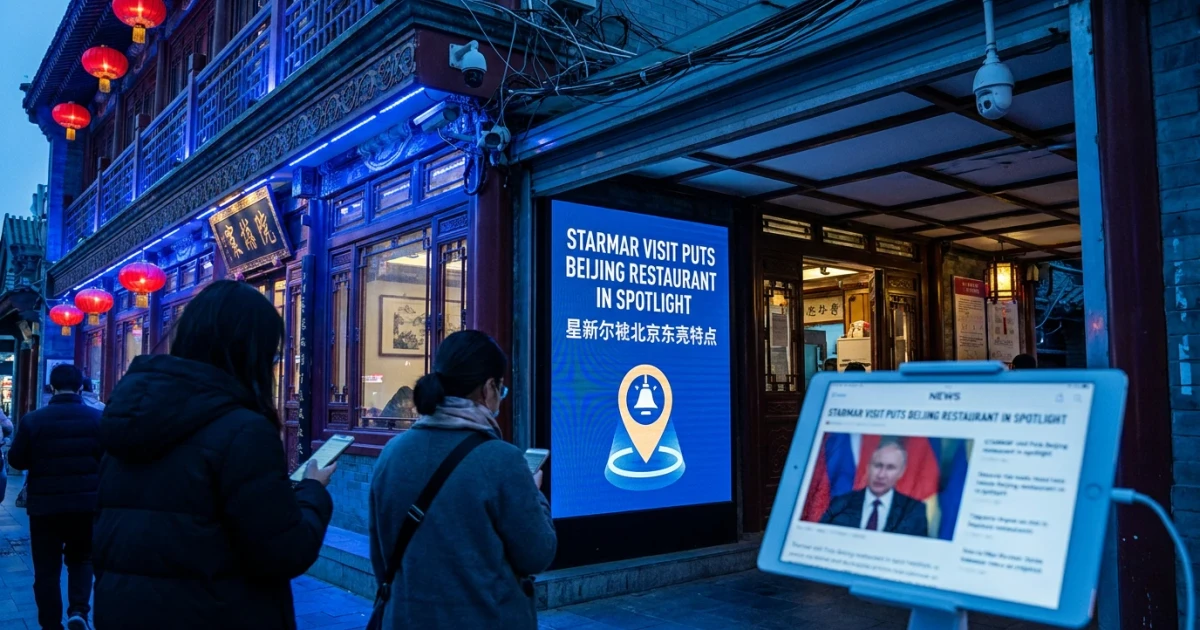
Beijing, China — A local restaurant in Beijing has found itself at the center of attention following a high-profile visit from UK Labour leader Keir Starmer. The widely publicized event has ignited curiosity among locals and international observers alike, with many asking the same question: What dishes did they eat?
Starmer’s Visit Draws Culinary Curiosity
The Guardian reports that the restaurant, previously popular among city residents, now enjoys a surge in interest after hosting Starmer during his diplomatic tour. Social media in China quickly lit up with speculation and analysis of the menu, reflecting both a fascination with international guests and pride in Beijing’s culinary heritage.
Signature Beijing Dishes Take Center Stage
While the restaurant has not officially confirmed the exact dishes ordered by Starmer and his delegation, food enthusiasts and media have highlighted a range of iconic Beijing specialties likely to have graced the table. According to China Highlights, the city is celebrated for its Peking duck, zhajiangmian (noodles with soybean paste), and a variety of savory dumplings. These dishes are staples in state banquets and are commonly recommended to foreign visitors.
Food guides such as China Discovery and China Highlights note that Peking duck, in particular, is almost always featured when dignitaries dine out in Beijing. The ritual of serving the crispy-skinned duck with pancakes, scallions, and sweet bean sauce is considered a showcase of local hospitality and culinary skill.
Impact on Restaurant Business
The Guardian article highlights how the restaurant is keen to capitalize on its newfound fame. Staff have reported a noticeable increase in reservations, with both locals and tourists eager to sample the same experience as the British politician. According to the China Restaurant Market Overview, such moments of international attention can boost business significantly, particularly in the competitive Beijing dining scene where word-of-mouth and media buzz play crucial roles.
The Chinese food service industry, as detailed in the Statistical Communiqué of the People's Republic of China on the 2023 National Economic and Social Development, has seen robust growth, with urban restaurants catering to both domestic and foreign palates. Events like Starmer’s visit further elevate the profile of local establishments, offering a platform to promote regional cuisine and culinary traditions to a global audience.
Public Reaction and Menu Speculation
Chinese social media users have engaged in lively debate over the likely menu, with some posting photos of classic dishes served at the venue in recent months and others speculating on how well Starmer handled chopsticks. As noted by Numbeo, Beijing restaurants offer a broad range of price points, from humble noodle shops to high-end banquet halls, making them accessible for a variety of visitors.
For those inspired to follow in Starmer’s culinary footsteps, guides recommend starting with the city’s signature fare. The Top 10 Must-Eat Foods in Beijing include:
- Peking duck — world-famous, often served in three courses
- Zhajiangmian — hearty noodles with rich soybean paste
- Jiaozi (dumplings) — filled with pork, vegetables, or seafood
- Mongolian hotpot — communal, interactive dining experience
- Assorted local snacks and sweets found in traditional hutong eateries
Looking Ahead: Culinary Diplomacy’s Lasting Impact
Starmer’s meal in Beijing underscores the soft power of cuisine in international diplomacy and the enduring allure of Chinese food culture. As the restaurant continues to enjoy its time in the spotlight, the event serves as a reminder that good food can bridge cultural divides and spark global conversation—sometimes, it all starts with a single meal.