World
Belfast stabbing sparks riots, echoing Southport unrest across Britain
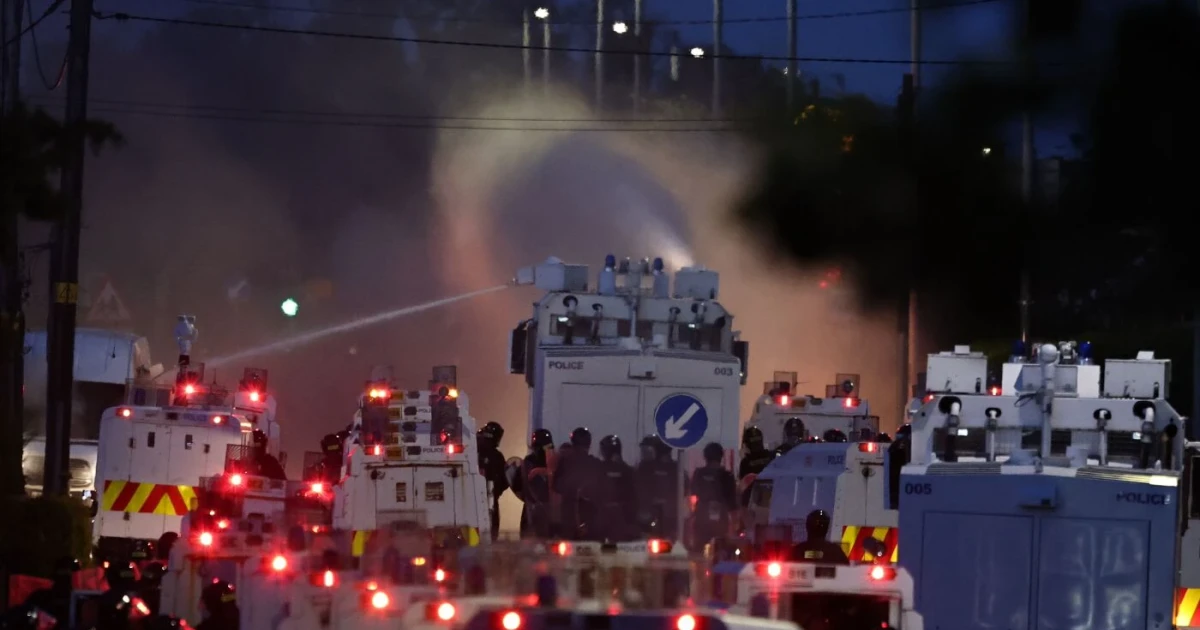
A brutal stabbing in Belfast quickly became more than a local crime scene. By Wednesday, June 11, 2026, Northern Irish police were using water cannons against a second night of unrest, as masked protesters threw bricks, rocks and bottles, tore bricks from walls and lit small fires. The violence, authorities said, was being fed by anti-migrant rhetoric and online agitation, a familiar sequence that has turned shocking attacks into street disorder before.
That pattern has already scarred Britain. On July 29, 2024, the Southport stabbings killed three girls, Bebe King, Elsie Dot Stancombe and Alice da Silva Aguiar, and false claims about the suspect spread online before his identity was officially released. What began as grief in one seaside town rippled into riots across England and Northern Ireland, with mobs targeting mosques and asylum hotels and spreading disorder across more than a dozen towns and cities.
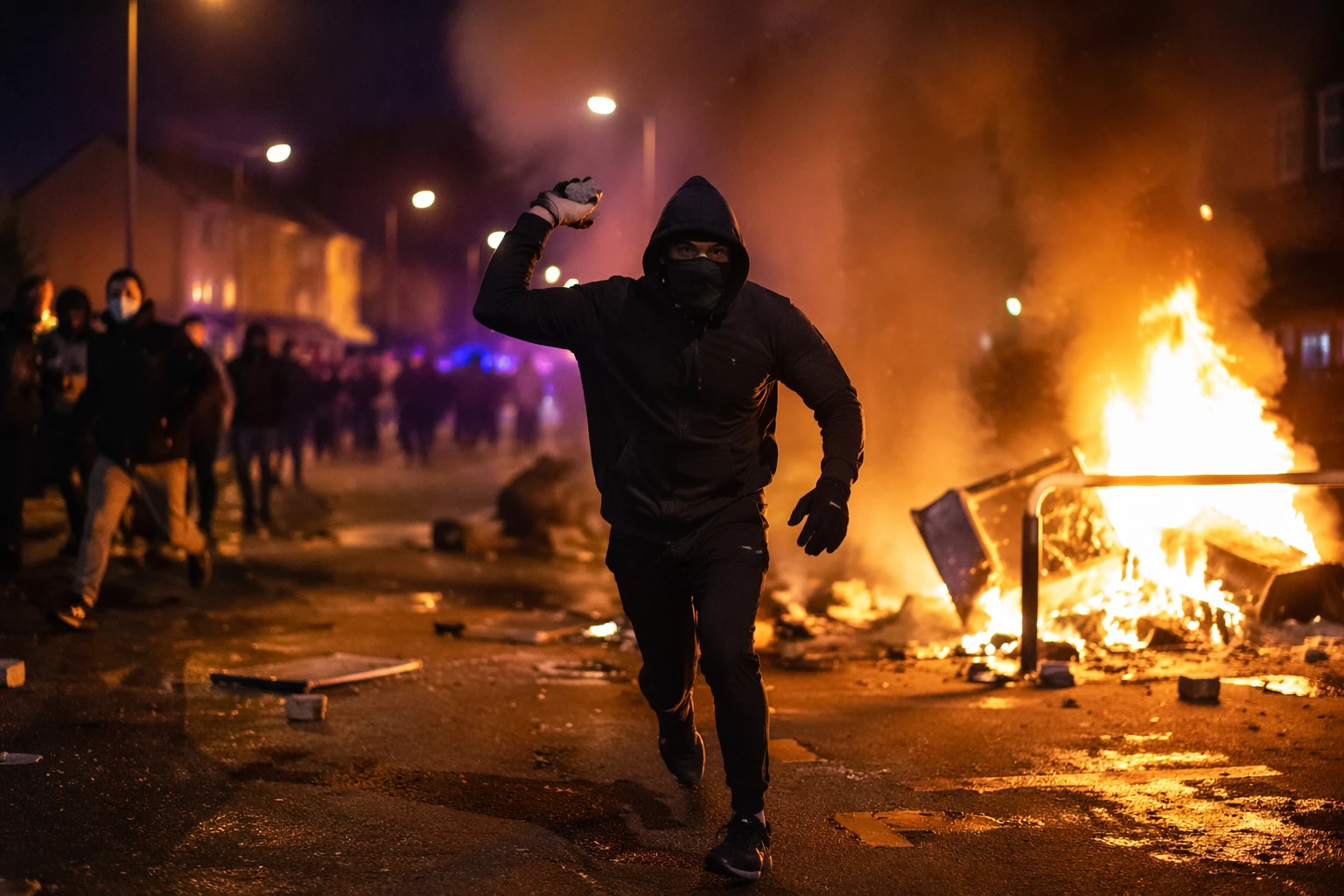
The scale of the summer violence was stark. By August 30, 2024, police had made 1,280 arrests and prosecutors had brought 796 charges. Parliament later called it the worst disorder since 2011, saying the riots included attacks on mosques, community centres and libraries. In later reviews, police oversight bodies said the service had failed to accurately assess the threat before Southport, exposing how quickly a local atrocity can be converted into national unrest when misinformation outruns facts.
The political response was just as revealing. Keir Starmer condemned the rioters as a “tiny, mindless minority,” said the violence was not protest but crime, and announced a new violent disorder unit. The UK government also promised tougher action against far-right thuggery and online incitement, alongside broader use of facial recognition, shared intelligence between police forces and preventive criminal behaviour orders. Those steps mattered, but they also underlined how much of the damage had already been done by the time officials moved.
Belfast now fits the same grim script: an attack, a vacuum of reliable information, online amplification, then street mobilization that turns anger toward migrants and minority communities. The mechanics are repeatable, and across Britain and Europe the failure is just as repeatable, because the response still lags the speed of the lie.