World
Belgium grants Taliban visas for EU talks on Afghan deportations
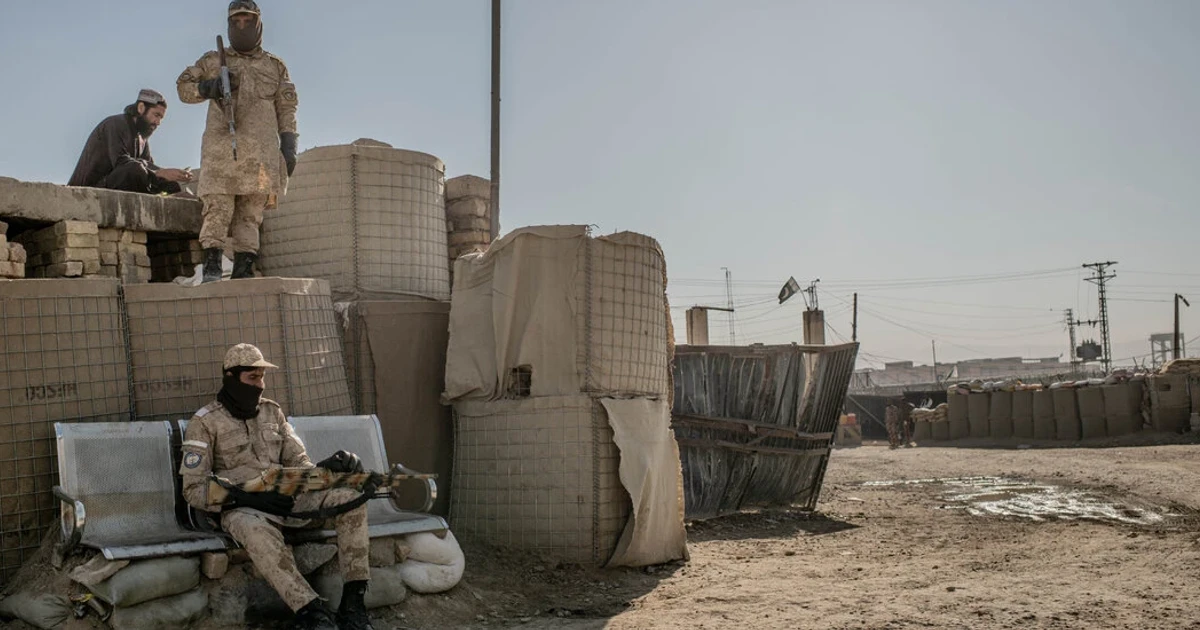
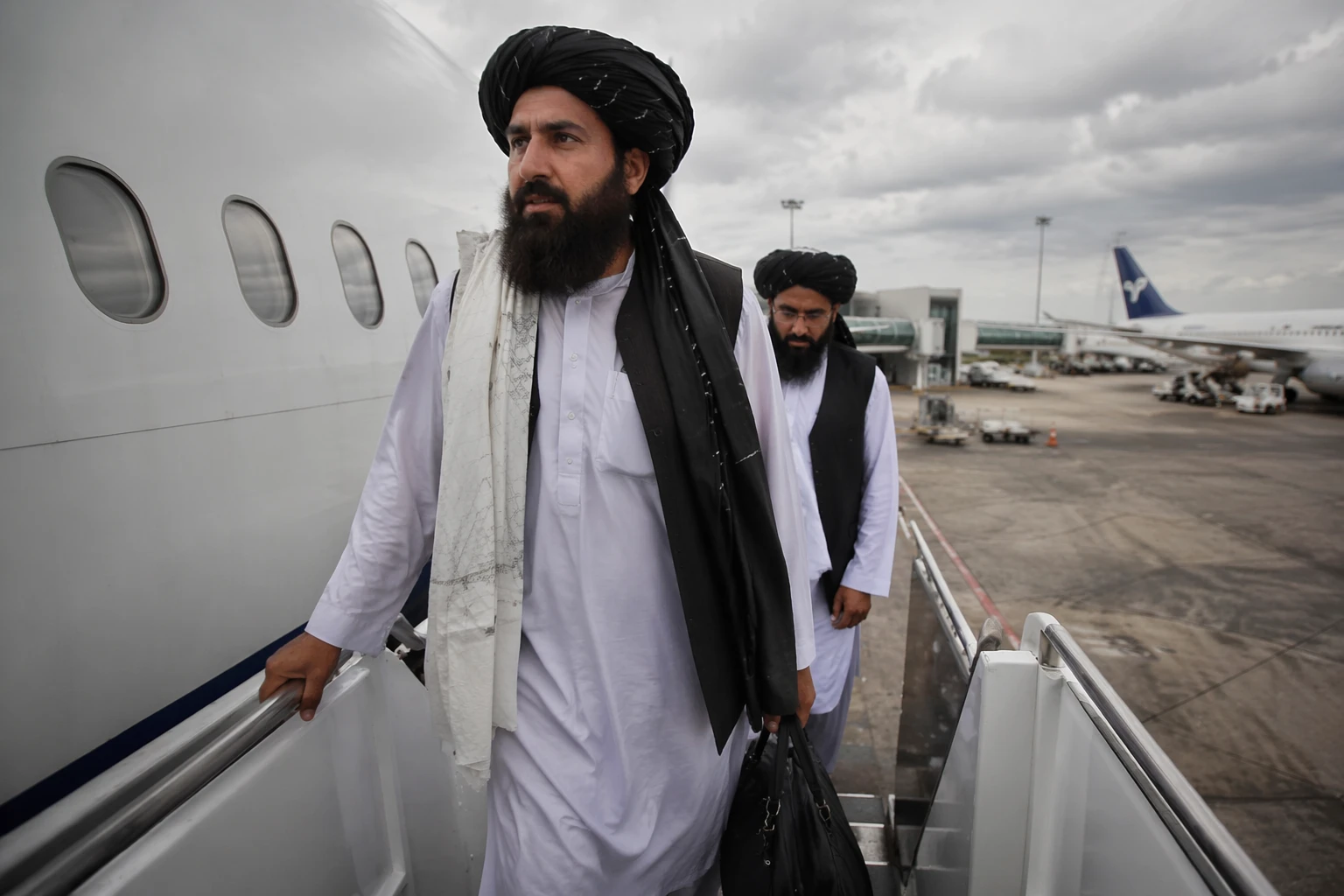
Belgium has granted five visas to a Taliban delegation for migration talks with the European Union in Brussels, setting up a stark dilemma for Europe: negotiate with the rulers in Kabul while weighing whether to send Afghans back under their control. The visas are limited to Belgium and valid for only one day, and officials have withheld the exact date of the visit for security reasons.
The meeting is expected to focus on the return of Afghan nationals who have no legal right to stay in Europe, especially people with criminal convictions or security concerns. EU officials say the talks are technical, not political, and the European Commission has said engagement with Taliban representatives does not amount to recognition of the Taliban government. The delegation is expected to be led by Abdul Qahar Balkhi, the Taliban foreign ministry spokesman.
The discussions are being coordinated with Sweden and follow earlier contacts between EU and Belgian officials in Kabul in January 2026. They are expected to involve the European Commission, the European External Action Service and selected national administrations, reflecting a wider push from around 20 EU countries for Brussels to help facilitate Afghan returns. That pressure has sharpened as governments across the bloc look for ways to enforce deportation orders while avoiding a formal break with their human-rights language.
The political backlash was immediate. Forty-seven members of the European Parliament from five political groups wrote to Belgium on June 8, urging it not to issue the visas. Their warning echoed concerns from lawmakers, NGOs and Afghan diaspora groups that hosting Taliban delegates could help normalize a regime accused of systematic repression, particularly against women and girls. For deportees, the core question is not just whether Europe can remove them, but what protection, if any, awaits them once they land in Taliban-controlled Afghanistan.
That uncertainty lands against a worsening humanitarian crisis. UNHCR says more than 5.4 million Afghans have returned from Iran and Pakistan since late 2023, while the European Union Agency for Asylum says Afghanistan remained the largest nationality among asylum applicants in the EU+ in 2025, accounting for 14% of all applications. The EU+ received about 1 million asylum applications in 2024. Against that backdrop, Belgium’s visa decision captures the gap between migration policy and human-rights commitments, with Europe seeking deportation channels even as it stops short of acknowledging the government that would receive the people it sends back.
Sources
- [1]nytimes.com
- [2]uk.news.yahoo.com
- [3]euractiv.com
- [4]brusselstimes.com
- [5]euperspectives.eu
- [6]france24.com
- [7]dw.com
- [8]unhcr.org
- [9]euaa.europa.eu