World
Beluga whales from Marineland begin new life at US aquariums
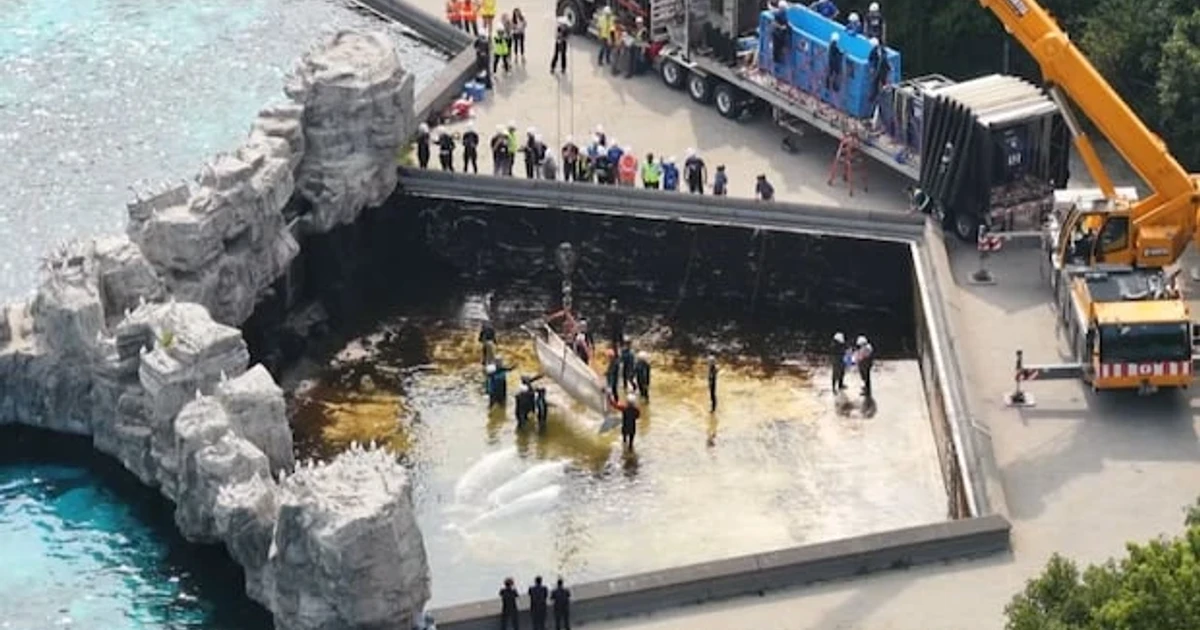
Six beluga whales from Marineland of Canada have reached aquariums in the United States after a cross-border transfer that Canadian and U.S. officials treated as an emergency rescue. The move sends Sierra, Acadia, Osiris and Lillooet to a Chicago facility, while Bertie Botts and Frankie arrived at SeaWorld in San Antonio, Texas.
The whales were moved in specialized cold-water containers by truck and plane, underscoring how complicated it is to relocate large marine mammals safely. One report said the first six whales left the Niagara Falls, Ontario, park on July 20, 2026, beginning a transfer that has drawn intense attention because belugas need closely managed water conditions, temperature control and veterinary monitoring during travel and after arrival.
CBC News reported that the U.S. government formally approved the emergency rescue of most beluga whales from Marineland, where a larger pod of 30 belugas still needed to be rehomed. That broader group is now the center of the animal-welfare challenge: once a marine park closes, the question becomes not just where the animals go, but which facilities can credibly provide long-term care, medical oversight and stable habitats for animals that cannot be released into the wild.
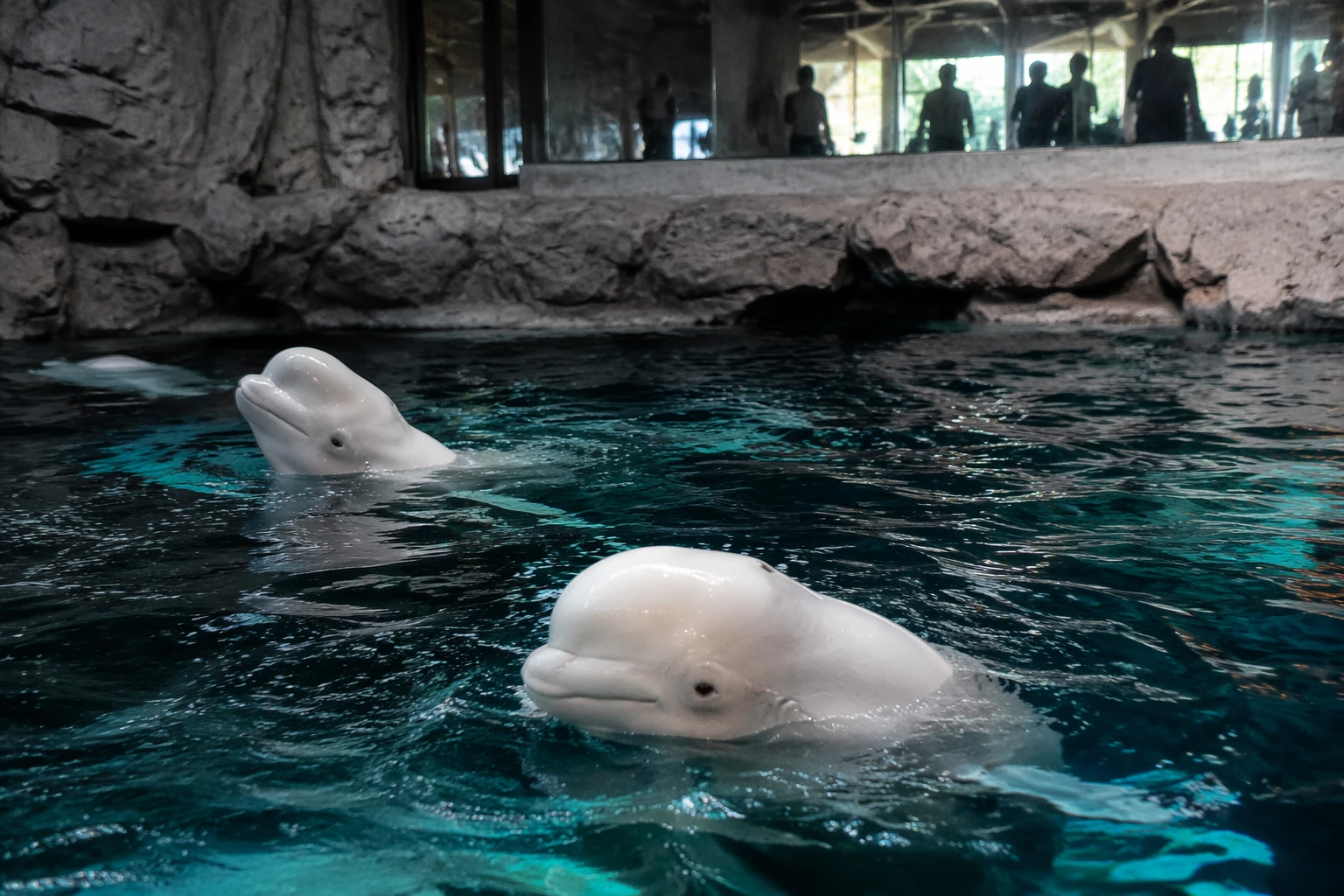
The pressure on Marineland had been building for years. CBC reported that 14 whales and 1 dolphin had died at the park since 2019, while BBC News said Ontario’s Animal Welfare Services had visited the facility more than 200 times since 2020. BBC News also reported that Marineland threatened to euthanize 30 beluga whales after the government blocked its request to send them to China, a warning that sharpened public scrutiny of the remaining animals and left transfer as the only realistic option.
For the receiving institutions, the arrivals bring both responsibility and visibility. Chicago and San Antonio now hold animals whose fate became a test case for what “new homes” means after captivity: not simply a change of address, but a permanent commitment to health care, transport recovery and enclosure standards that can withstand the same scrutiny that closed Marineland. The first arrivals may mark a new chapter, but the larger policy question remains whether this kind of transfer is a bridge to better care or another step in a long retreat from cetacean captivity.
Sources
- [1]reuters.com
- [2]cbc.ca
- [3]bbc.com
- [4]chicago.suntimes.com