Health
Bepirovirsen shows promise as finite treatment for chronic hepatitis B
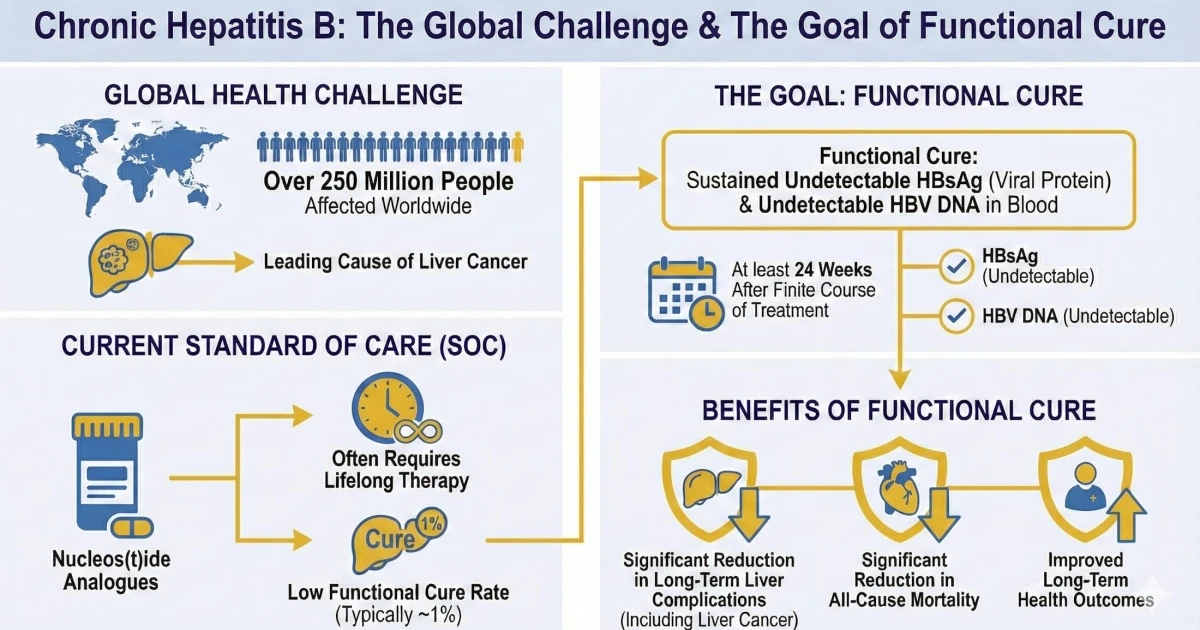
GSK’s B-Well 1 and B-Well 2 phase 3 trials of bepirovirsen met their primary endpoint, with functional cure rates of 20% in one study and 19% in the other at week 72, compared with 0% on placebo. That matters because chronic hepatitis B is usually treated as a disease of suppression, not one that can be brought to a stop with a finite course and durable control.
The drug is an investigational antisense oligonucleotide designed to target hepatitis B virus messenger RNAs, a mechanism aimed at cutting off viral protein production more broadly than older antiviral approaches. GSK said the pivotal studies enrolled more than 1,800 patients from 29 countries, giving the result unusually broad geographic weight for a disease that remains concentrated in regions with uneven access to long-term care.

The public health stakes are large. GSK has said chronic hepatitis B accounts for about 56% of liver cancer cases and affects more than 250 million people worldwide. Yet a 2025 Journal of Hepatology article said only about 3% of patients received antiviral treatment globally in 2022, even as the World Health Organization is trying to eliminate hepatitis B as a public health threat by 2030. The agency’s 2024 guidelines pushed simplified treatment criteria for adults and adolescents, expanded antiviral prophylaxis for pregnant women, and better diagnostics, a signal that policy makers are still trying to close basic gaps in access before most patients ever reach advanced care.
That makes a finite treatment especially consequential for communities that face the steepest barriers to lifelong therapy, routine monitoring, and specialist follow-up. If a drug can hold viral control after treatment ends, it could reduce the burden on patients who now need years of medication just to keep infection quiet, and it could ease pressure on health systems that struggle to maintain continuous care.
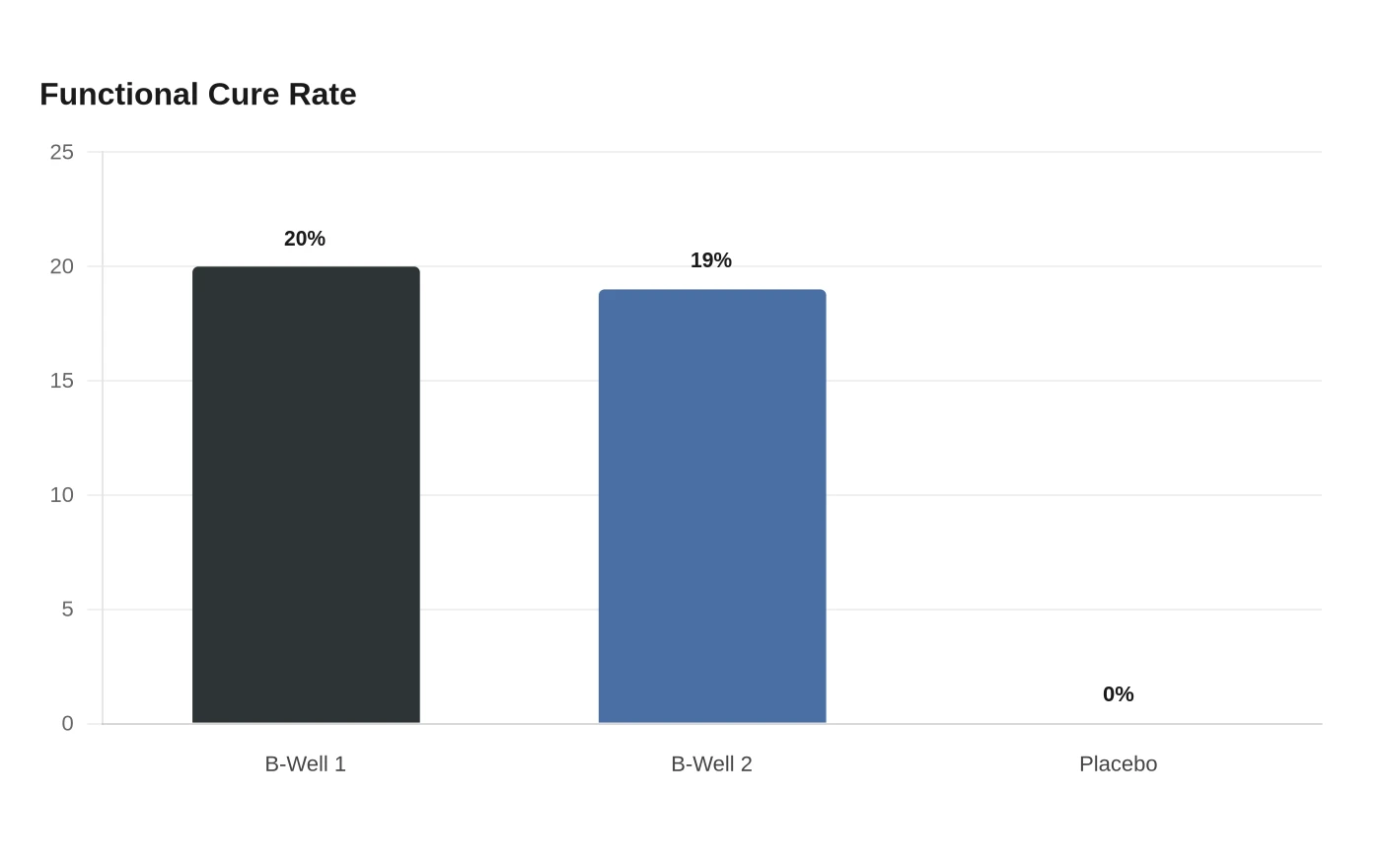
The evidence is promising but not complete. In GSK’s May 28 update, 19% of patients in the overall study population reached functional cure, rising to 26% among those with lower viral activity, while 49% of bepirovirsen recipients had hepatitis B surface antigen levels of 100 IU/mL or lower one year after treatment ended in exploratory analysis. Reported adverse events included elevated ALT levels, underscoring the need for careful monitoring as regulators review the data and as global filings, first planned from the first quarter of 2026, move forward.
Sources
- [1]medscape.com
- [2]gsk.com
- [3]who.int
- [4]journal-of-hepatology.eu
- [5]natap.org
- [6]healio.com