Health
Bereaved parents connect Nottingham maternity deaths and expose failures
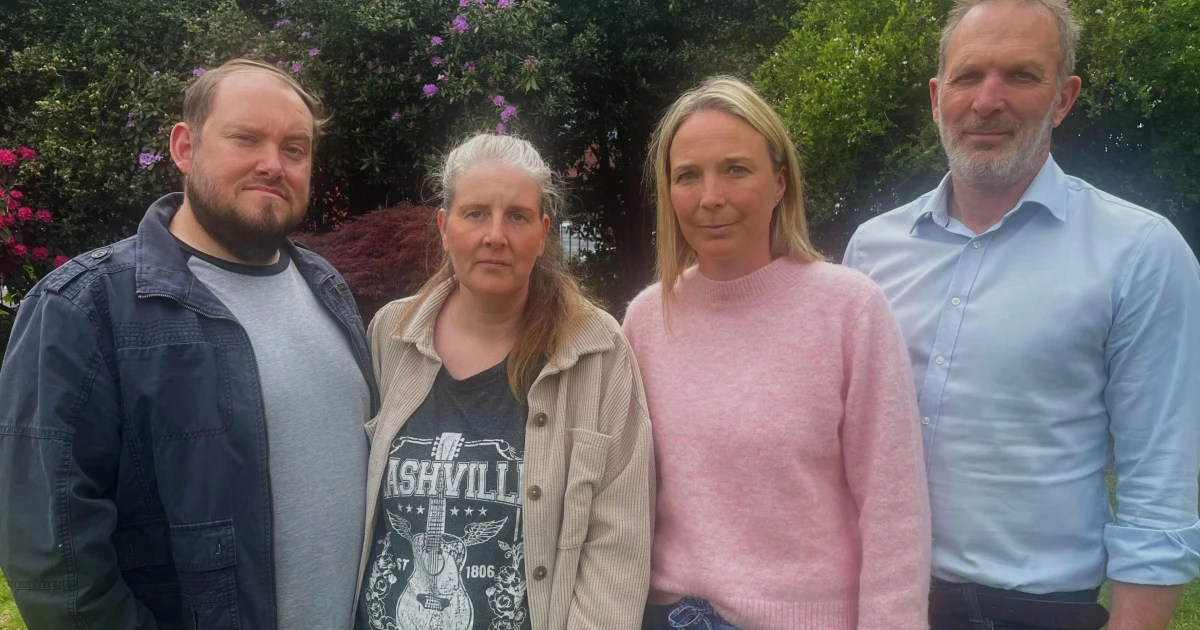
A message between Jack Hawkins and Gary Andrews became one of the threads that tied together two families who had lost daughters at Nottingham University Hospitals NHS Trust. Their daughters, Harriet Hawkins and Wynter Andrews, died after care failings, and the fathers’ exchange helped connect the cases as the scale of the maternity scandal widened far beyond the first complaints.
Harriet Hawkins died during childbirth in 2016. Wynter Andrews died 23 minutes after a Caesarean section on 15 September 2019 at the Queen’s Medical Centre, after repeated warning signs had been missed. The two families were among the early campaigners who kept pressing for answers, with Jack Hawkins and Gary Andrews refusing to let their daughters’ deaths be treated as isolated tragedies.
That pressure eventually forced a formal review. NHS England established the independent Nottingham maternity review in May 2022 after significant concerns were raised by local families about the quality and safety of maternity services at Nottingham University Hospitals NHS Trust. By the time Donna Ockenden published her final report on 24 June 2026, the investigation had become the largest maternity review in NHS history, covering more than 2,500 family cases.
The scale of the evidence gathered was extraordinary. The review team held individual meetings with more than 500 families and worked with more than 830 current and former NUH staff. More than 160 reviewers were involved in the process, which drew on a huge body of testimony from mothers, fathers, clinicians and other staff who had lived through or witnessed the failures inside the trust.
The findings were stark. Ockenden’s report said hundreds of mothers and babies died or were harmed because of systemic failures at Nottingham University Hospitals NHS Trust. Bereaved families have demanded a public inquiry, insisting that the failures cannot be understood as a series of accidents or one-off mistakes.
What began as allegations from dozens of families grew into a case involving about 2,500 families, and the fathers’ conversations helped show that the same patterns of missed warning signs, unsafe care and dismissal of parental concerns were appearing again and again. The Nottingham review now stands as a record of what can happen when families are left to assemble the evidence themselves, and of how hard they had to fight to make institutions answer.