World
Berlin airport warns of long EES queues for summer travelers
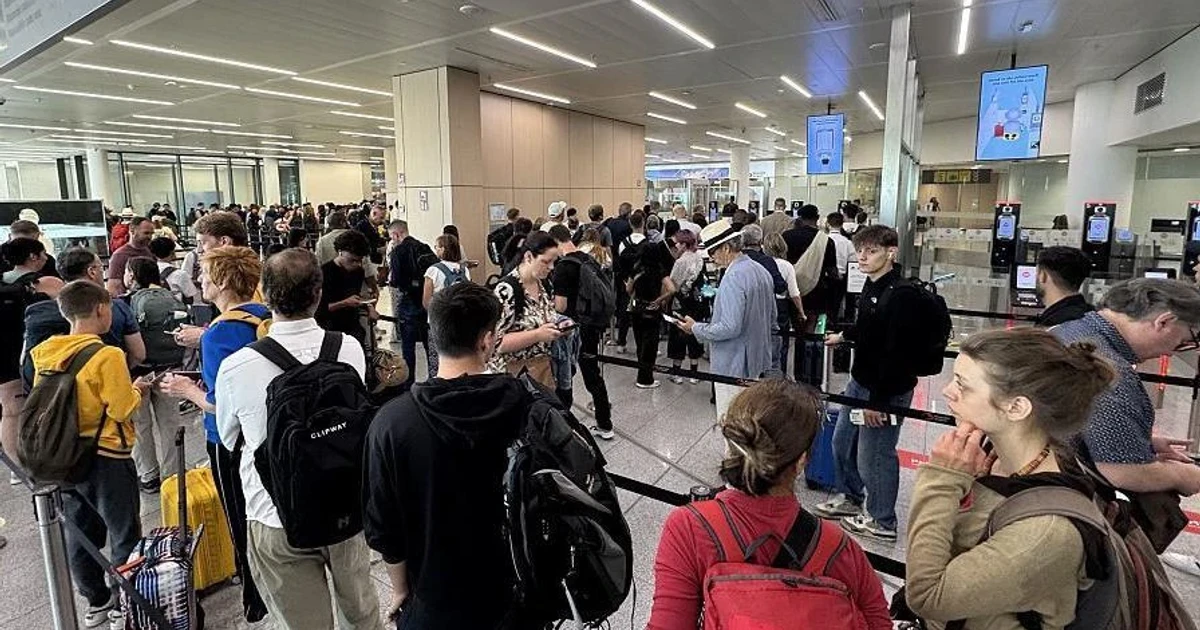
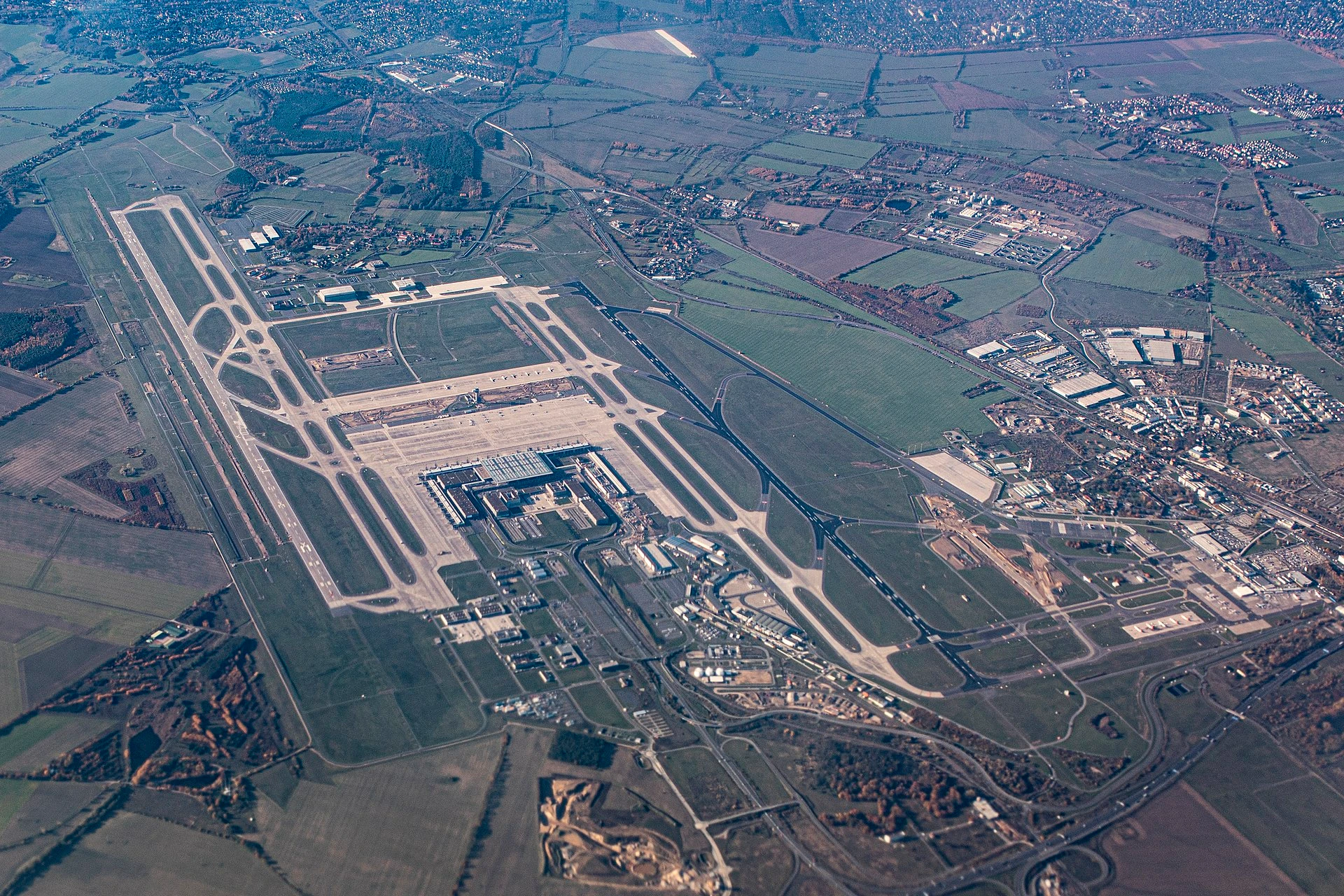
Berlin Brandenburg Airport is warning that non-EU passengers could face waits of one to two hours at one terminal this summer as the European Union’s new Entry-Exit System works its way through peak travel. Aletta von Massenbach, the chief executive of Flughafen Berlin Brandenburg GmbH, said the situation was “not bearable over the summer” as holiday traffic builds.
The Entry-Exit System, known as EES, became fully operational on 10 April 2026 after a progressive rollout that began on 12 October 2025. It applies to non-EU nationals taking short stays of up to 90 days in any 180-day period across the Schengen area, replacing manual passport stamps with biometric registration that records passport data, fingerprints, facial images, entry and exit dates, and refusals of entry.
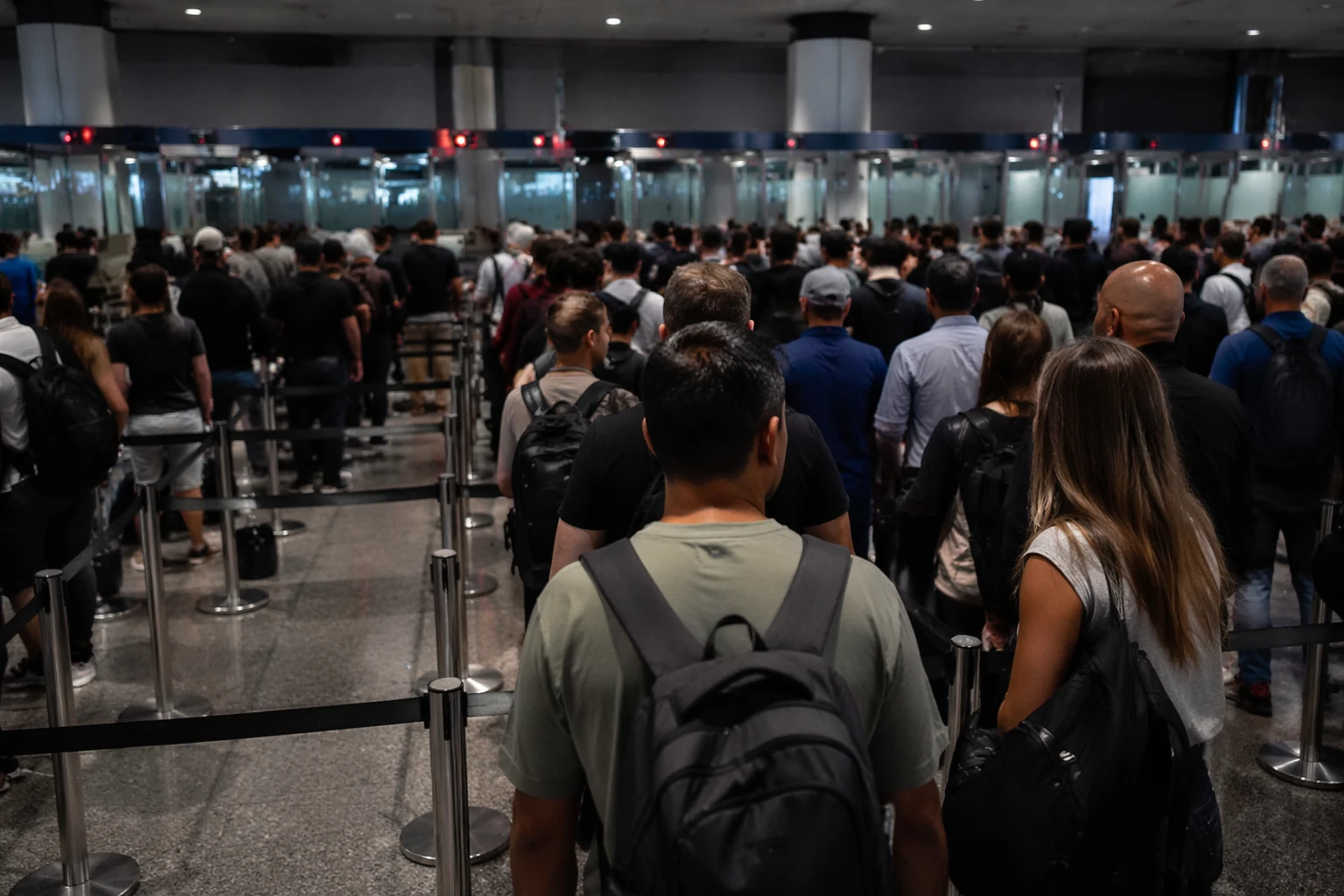
BER has already begun adapting to the new regime. Registration started at border-control desks on 2 December 2025, with pre-registration at self-service kiosks available from January 2026. Even so, longer waits can still occur when travelers enter or leave Schengen, and BER expects around 3.7 million passengers during the summer vacation period.
Aviation groups warned the European Commission in February that the system could overwhelm airports in July and August. ACI EUROPE, Airlines for Europe and the International Air Transport Association warned that peak-season queues could reach four hours or more unless the system was made more flexible. Their concerns included chronic understaffing at border controls, unresolved technology problems and the limited use of Frontex’s pre-registration app by Schengen states.
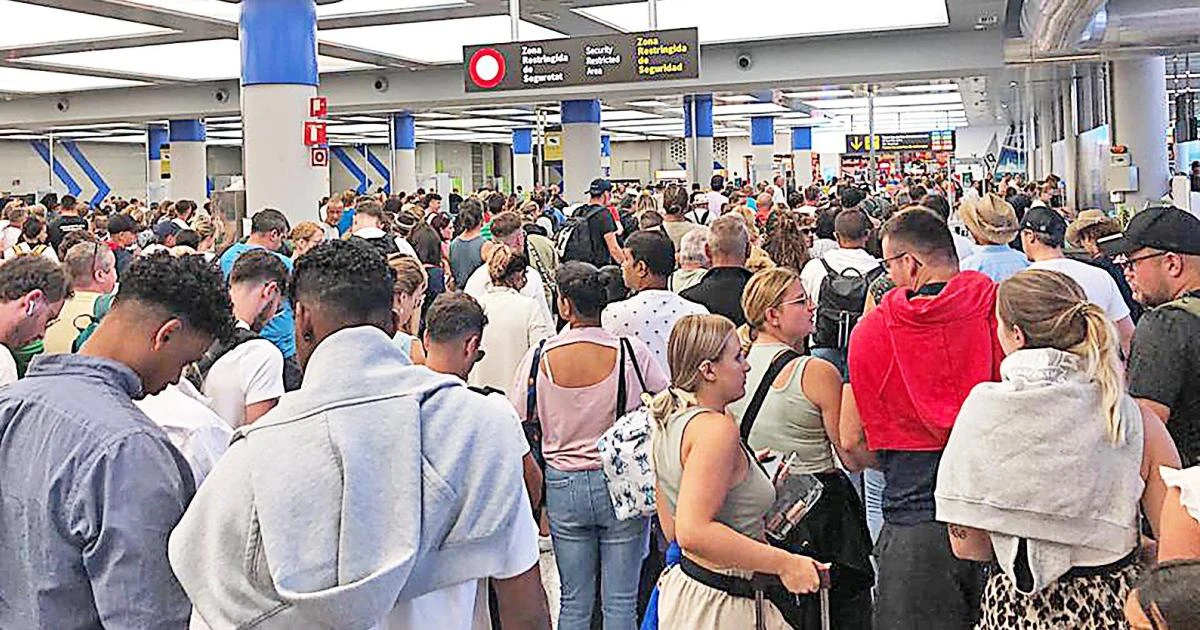
The industry groups also urged Brussels to confirm that member states could partially or fully suspend EES until the end of October 2026 if needed.
The system is meant to modernise border control, improve security and identify overstayers and forged documents more effectively. European Commission figures put more than 45 million border crossings at 30 March 2026 during the rollout, with over 24,000 refusals of entry and more than 600 security risks identified.
Sources
- [1]bbc.co.uk
- [2]yahoo.com
- [3]home-affairs.ec.europa.eu
- [4]iata.org
- [5]ber.berlin-airport.de
- [6]frontex.europa.eu