World
Berlin plans housing development on site of Hitler’s bunker
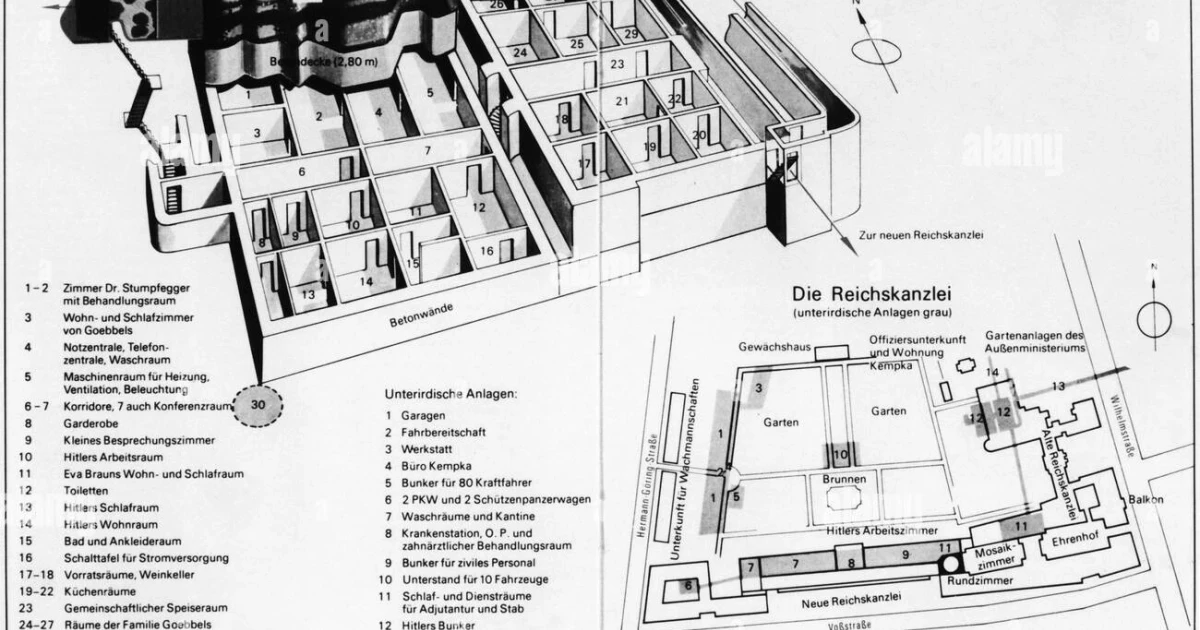
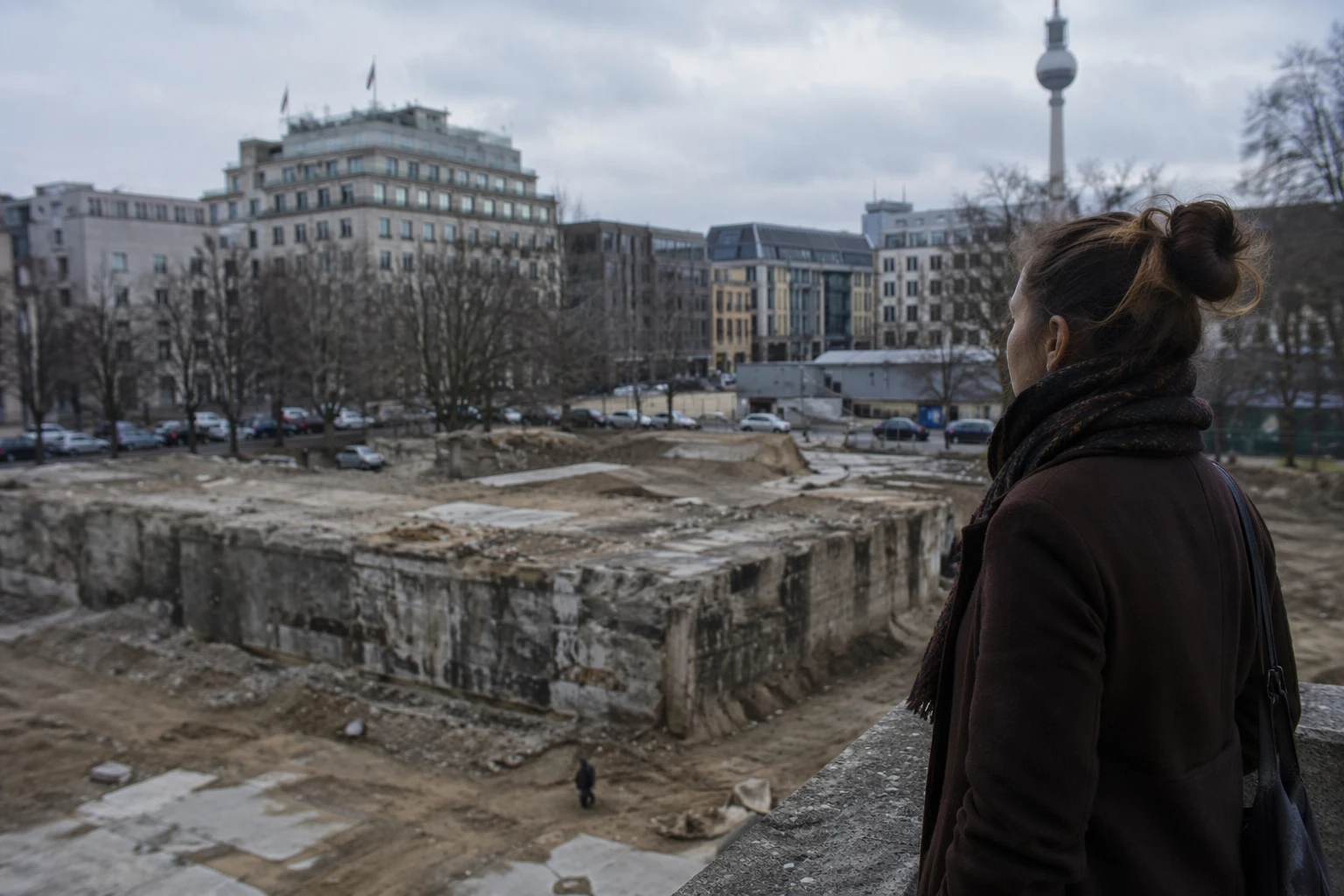
A Hamburg investor wants to replace the bunker area on the grounds of the former Reich Chancellery complex in Berlin-Mitte with 66 apartments and a commercial building, a plan that has reopened one of Germany’s sharpest fights over whether Nazi-era remains should be preserved or built over.
The site holds the last remaining bunker associated with Hitler’s New Reich Chancellery and sits among the last physical traces of Hitler’s power center in Berlin. Adolf Hitler died in the Führerbunker on April 30, 1945, a moment that Berliner Unterwelten says effectively marked the end of the war in Europe in Berlin. The association also notes that the Führerbunker was only one of many underground structures in the Wilhelmstraße government district and was smaller than a typical public air raid shelter, even as it became the most infamous of them.
Berlin’s housing senator, Christian Gaebler, has argued that the city’s housing shortage should take priority in this case. The Berlin Senate Commission on Housing Construction says around 16,700 apartments have been initiated since it was launched in April 2022, after stalled projects were pushed forward. The current dispute lands as Berlin faces renewed pressure to speed up construction, with commentary noting that completions in the first half of 2025 were at their lowest level in a decade.
Preservation advocates and historians say clearing the bunker would erase an important reminder of Nazi history from a site that still carries enormous symbolic weight. Dietmar Arnold of the Berlin Underworlds Association has called the plan “absolute madness,” underscoring how fiercely the proposal has been received by those who study Berlin’s underground war remnants. A recommendation from the Berlin State Monument Council dated March 7, 2025, said NS-era bunker facilities in Berlin-Mitte have high symbolic value, a position that gives added force to arguments for conservation rather than demolition.
The dispute has become a case study in how Berlin decides what to do with the physical remains of dictatorship when those remnants sit in the path of urgent urban needs. In this corner of Berlin-Mitte, the choice is not only between apartments and concrete; it is between preserving the scar of a destroyed regime and turning the site into housing in a city that says it desperately needs it.
Sources
- [1]nytimes.com
- [2]bz-berlin.de
- [3]berliner-unterwelten.de
- [4]berlin.de
- [5]engelvoelkers.com