World
Berlin Pride attack suspect raised red flags in deradicalization program
A 21-year-old suspect in the Berlin Christopher Street Day parade attack was about to be disqualified from a deradicalization program after staff saw red flags, sharpening scrutiny of Germany’s prevention system after the deadly assault. Police later said the man had links to Islamist circles and was shot dead during a Berlin operation on July 26.
The car attack hit Berlin’s CSD Pride parade on July 25, killing one woman and injuring at least 29 people in later AP-based reporting. BBC reporting initially put the injury toll at 16. German investigators and the interior minister said the evidence pointed to an Islamist attack, turning a public celebration in one of Europe’s largest LGBTQ+ gatherings into a counterterrorism case.
The new detail about the deradicalization program raises the hardest question in the aftermath: whether Germany is identifying risk early enough, and whether warning signs inside prevention programs are reaching the people who need to act on them. The suspect’s placement in a program meant to divert people from extremist violence, and the staff decision that he was close to being removed from it, suggest that red flags were present before the attack on the parade route.
Hans-Jakob Schindler, a terrorism expert, said such programs have limits when the person involved is deeply committed. “For hardened extremists and highly motivated terrorists, deradicalization programs are not very effective,” Schindler said. His warning lands at the center of the Berlin case, where investigators are treating the attack as extremist terror rather than an isolated act of violence.
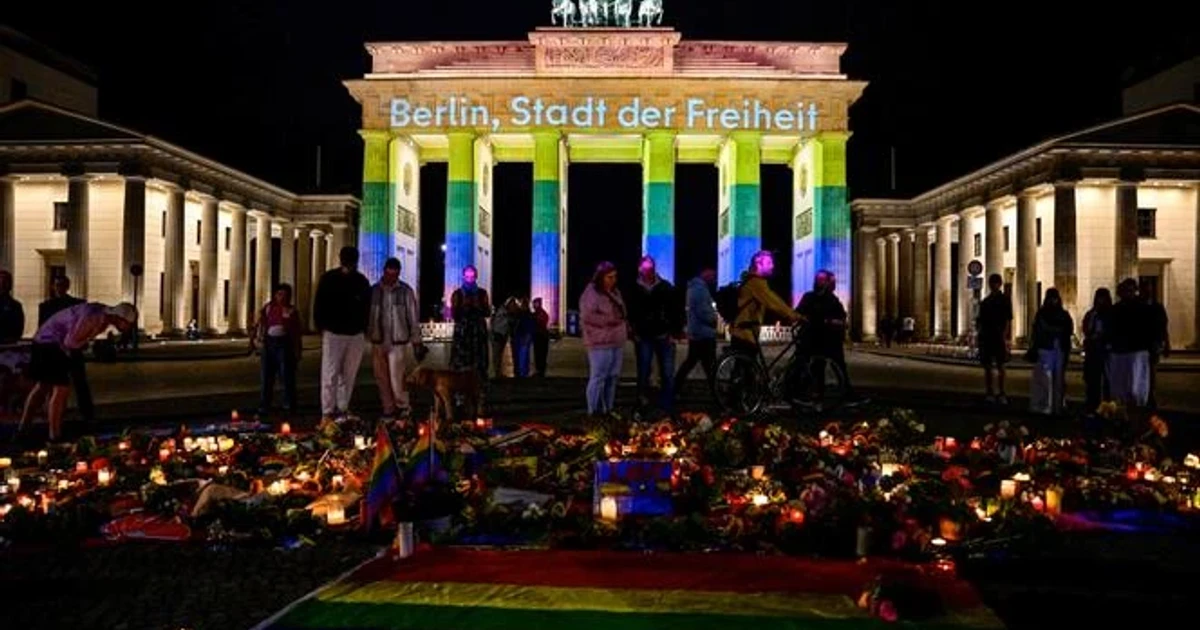
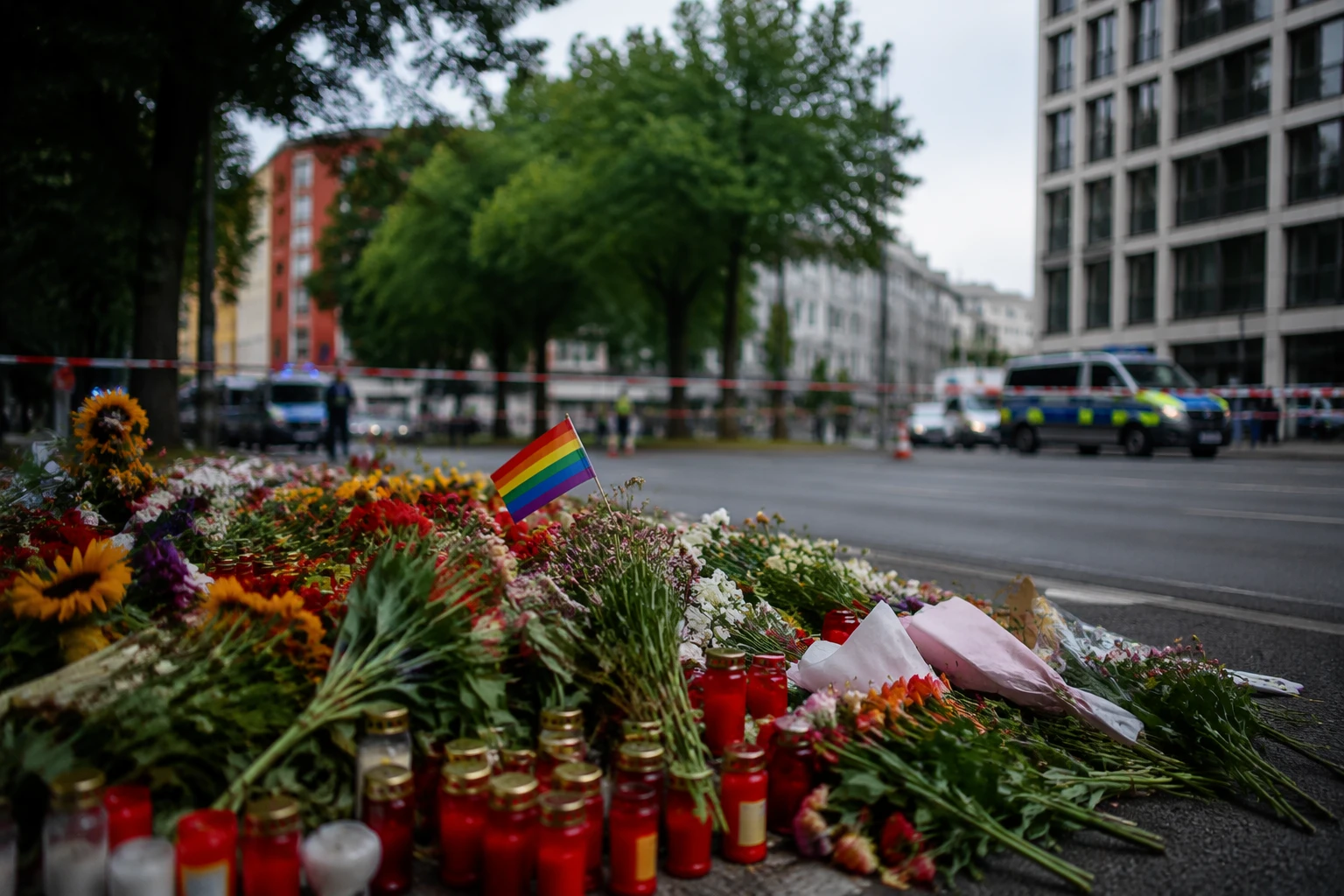
The attack also sent a wave of grief through Berlin’s LGBTQ+ community. People gathered near the Brandenburg Gate, lit in rainbow colors, with candles in the hours after the assault, a public show of mourning and solidarity for a community already acutely aware of the risks that can shadow mass events.

Berlin’s case is now feeding a broader debate over what deradicalization can do, and what it cannot. It can surface warning signs, but the attack on a crowded Pride parade exposed the gap between prevention theory and the immediate protection of public events, where one vehicle was enough to kill and injure people in seconds.
Sources
- [1]cbsnews.com
- [2]reuters.com
- [3]amp.dw.com
- [4]bbc.com
- [5]weau.com