Entertainment
Betye Saar, assemblage art pioneer and Black Arts icon, dies at 99
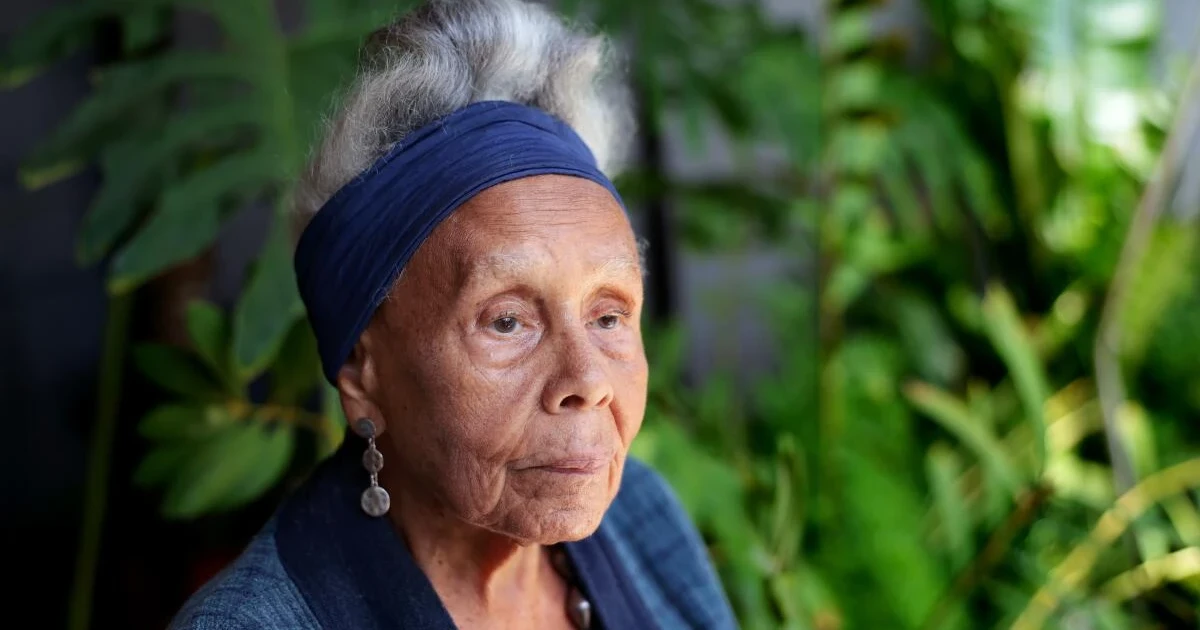
Betye Saar, the Los Angeles artist who turned dolls, family photos and other found objects into confrontational assemblages, died in Los Angeles at 99. Relatives confirmed her death in July 2026.
Born July 30, 1926, in Los Angeles and raised in Pasadena, Saar earned a degree in interior design from UCLA in 1949 before becoming a central figure in the 1960s Black Arts Movement. Her work built a visual language out of salvaged objects: dolls, fabric scraps, photographs and other castoffs that she arranged into layered boxes and wall pieces that confronted racist imagery rather than hiding it.
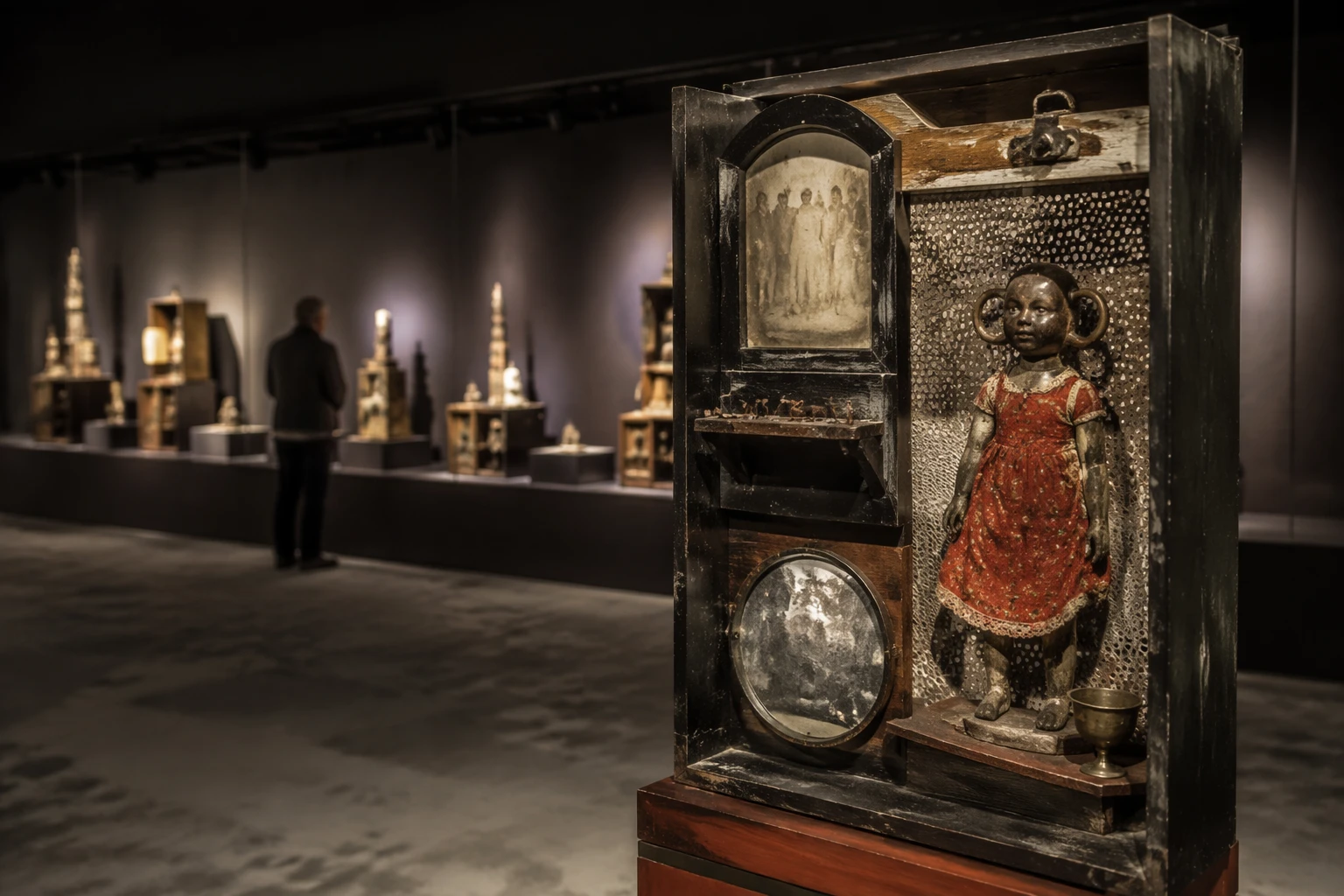
Saar’s 1972 work The Liberation of Aunt Jemima became one of her defining interventions. She reclaimed a racist mammy stereotype by arming the figure with a rifle and a hand grenade, transforming a commercial caricature into a weaponized image of Black resistance. The work helped push assemblage beyond a studio tactic and into a direct challenge to the visual codes that had long shaped how Black women were seen in American culture.
Major museums and galleries later treated that method as foundational. The Studio Museum in Harlem, the Smithsonian American Art Museum, MoMA, the Hammer Museum and Roberts Projects all identified salvaged and found materials as central to Saar’s practice, and Roberts Projects placed her among the artists who ushered in the development of assemblage art. The Huntington mounted Betye Saar: Drifting Toward Twilight from Nov. 11, 2023, through Nov. 30, 2027, while institutions and publications including Scripps College, ARTnews and the Los Angeles Times marked the approach to her 100th birthday on July 30, 2026.

By 2020, CBS News had called Saar an icon of the feminist and Black arts movements, and the Los Angeles County Museum of Art honored her at a gala that year. In a July 15, 2026, Los Angeles Times profile, Saar said she wanted to keep making art in Los Angeles at 100, a goal that framed the final chapter of a career that reshaped how American museums and artists understood Black representation.
Sources
- [1]nytimes.com
- [2]latimes.com
- [3]seattletimes.com
- [4]washingtonpost.com
- [5]robertsprojectsla.com
- [6]americanart.si.edu
- [7]moma.org
- [8]studiomuseum.org
- [9]caamuseum.org
- [10]cbsnews.com
- [11]icamiami.org
- [12]huntington.org