Business
Beverage companies add QR codes for ingredient transparency on cans, bottles
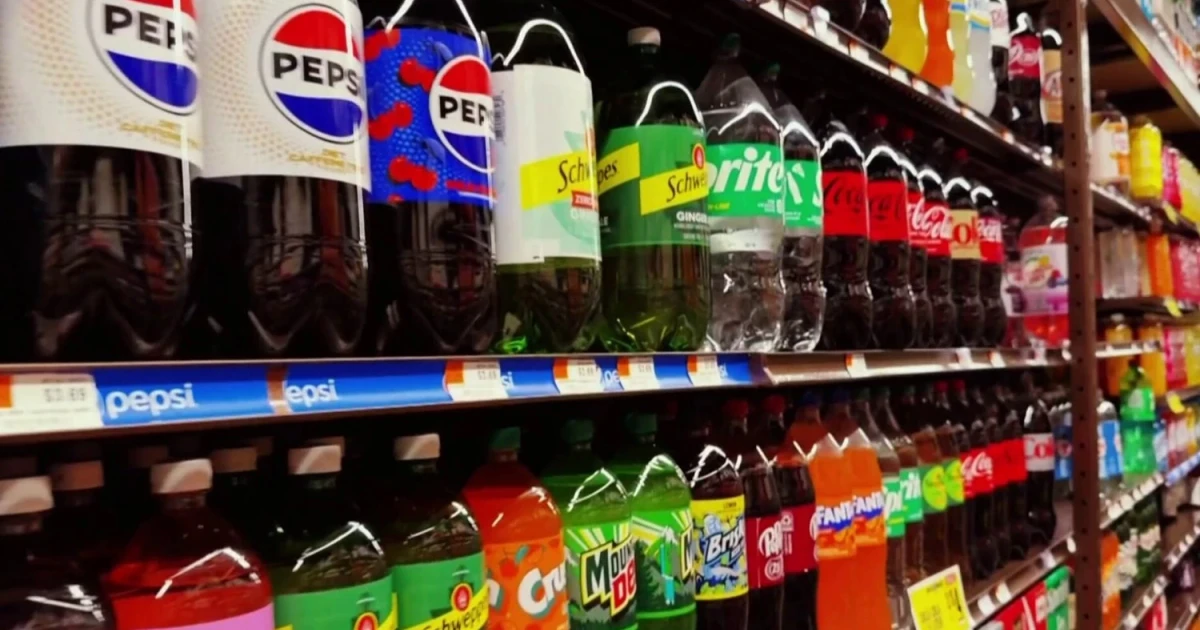
Beverage companies are putting ingredient transparency behind QR codes, letting shoppers scan cans and bottles for online profiles of more than 140 ingredients. The rollout, announced by the American Beverage Association and involving The Coca-Cola Company, Keurig Dr Pepper and PepsiCo, shifts detailed information onto a phone screen instead of the package itself.
Consumers who scan the codes are sent to GoodtoKnowFacts.org, which the industry says lists common uses, alternative names and safety or regulatory status for ingredients used in non-alcoholic drinks. The site says its entries are based on public scientific reviews from the U.S. Food and Drug Administration, the European Food Safety Authority, the Joint FAO/WHO Expert Committee on Food Additives and Health Canada, a framing meant to present the database as a reference tool rather than a marketing page.
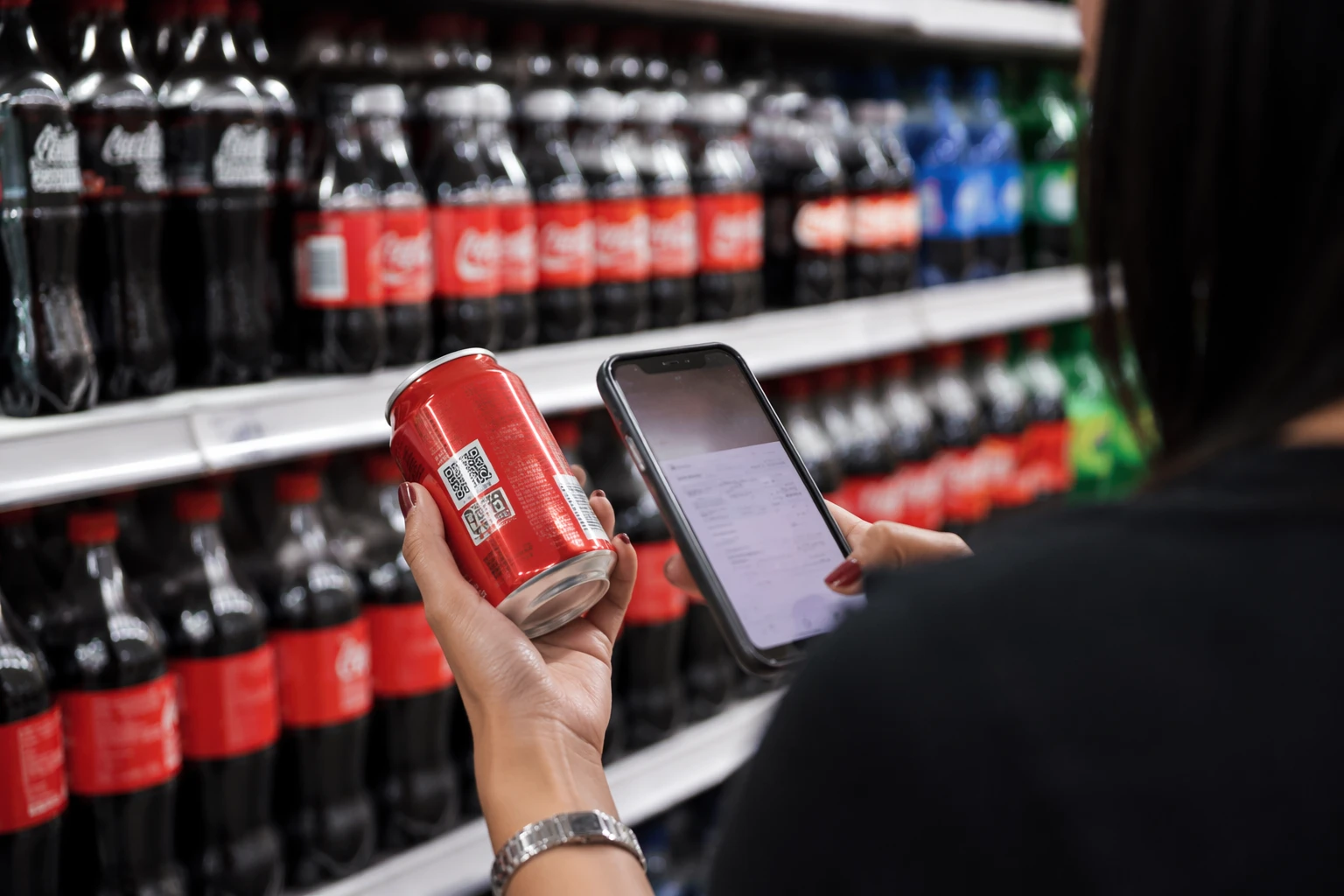
That structure is also the campaign’s main tradeoff. The extra detail is real, but only after a scan and only for shoppers with a smartphone and an internet connection. The package itself does not become more self-explanatory; it becomes a doorway to a database. For consumers who want quick answers in the aisle, that is a meaningful limitation. For beverage makers, it is a way to offer more information without covering labels with dense text.
The American Beverage Association first launched its Good to Know initiative on July 8, 2025, saying GoodtoKnowFacts.org would centralize information on more than 140 beverage ingredients in one place. The association says the broader program is designed to provide fact-based, easy-to-understand ingredient information and help people make informed choices about what they drink. The current expansion is expected to appear across billions of packaged beverages sold in the United States over time.
The move comes as drink companies face rising consumer demand for ingredient transparency and keep highlighting lower-sugar and nutrition-related messaging on packaging and digital labels. Earlier QR-code and smart-label efforts already gave beverage brands a way to share ingredient, nutrition, allergen and sustainability details. The latest push suggests the industry sees scannable codes as a durable part of the package, but also as a test of whether transparency still counts when the most important details sit off the can or bottle.