Technology
Bezos calls for moving polluting industry to the Moon

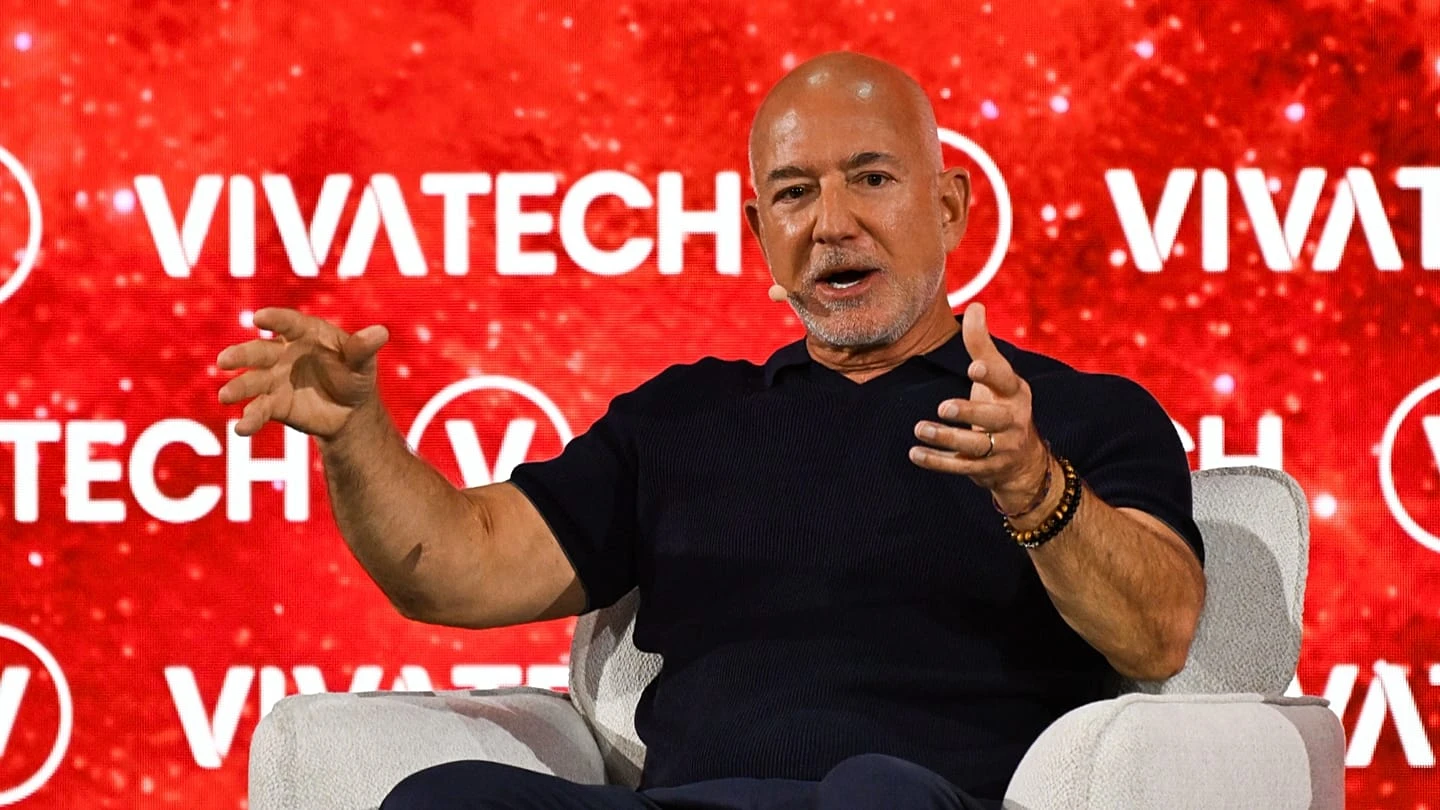
Jeff Bezos used a stage in Paris to argue that the dirtiest parts of the economy should one day leave Earth altogether, with the Moon serving as a platform for growth instead of pollution. Speaking at VivaTech on June 17, 2026, the Amazon founder and Blue Origin chief said polluting industry should eventually move to the Moon, that the Moon could help accelerate economic growth while keeping Earth livable, and that the planet should ultimately return to something closer to its pre-industrial state.
Bezos pointed first to the data-center business that powers artificial intelligence, a sector already consuming vast amounts of electricity and computing hardware. He also said AI would not eliminate human work, but instead create a labor shortage because new industries and opportunities would push demand for workers higher. VivaTech said Bezos appeared with Blue Origin chief executive Dave Limp in a session moderated by former NASA astronaut Mike Massimino.
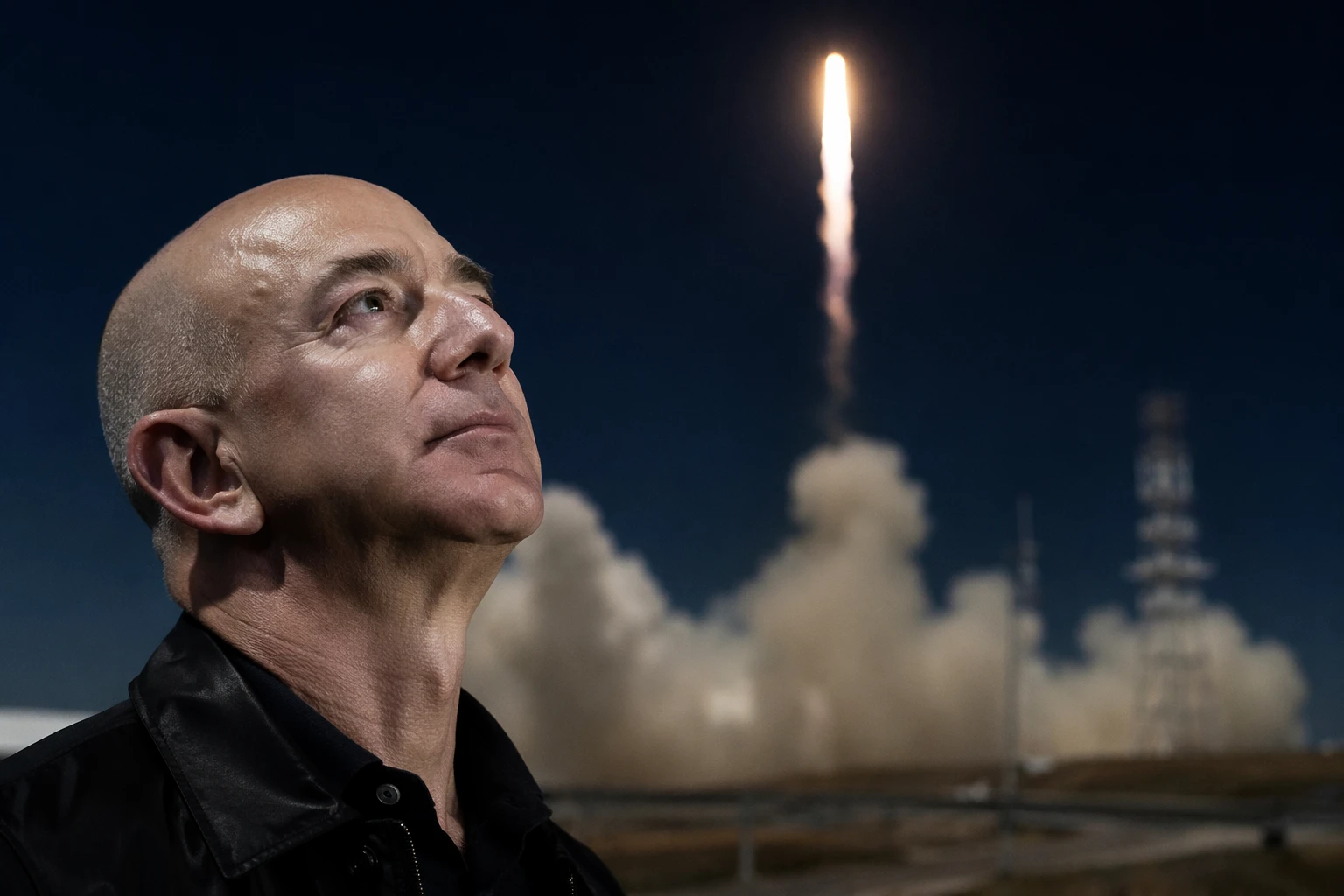
The vision is far bigger than Blue Origin’s current hardware. The company says its Blue Moon Mark 1 cargo lander is designed to carry up to three metric tons to any point on the lunar surface. NASA selected Blue Origin in May 2023 as the second Artemis lunar lander provider for Artemis V, and later awarded the company a CLPS task order to deliver the VIPER rover to the Moon’s south polar region. In May 2026, NASA said it intended to assign Blue Origin additional cargo-lander work under existing contracts, with future lunar cargo systems discussed at capacities of up to 15 metric tons.
That gap between aspiration and lift capacity is the core policy question behind Bezos’s remarks. Moving even a single heavy industrial process off Earth would require not just landers, but reliable transport, power generation, robotics, maintenance systems and a supply chain that can operate on the Moon’s harsh surface. The current NASA and Blue Origin plans point to cargo delivery and lunar exploration first, not a quick transfer of smokestacks, server farms or factories into space.

Blue Origin’s progress has also been uneven. The company said it experienced an anomaly during a hotfire test on May 28, 2026, a setback after New Glenn’s first mission launched in January 2025 and its third mission lifted off on April 19, 2026. Bezos’s pitch places Blue Origin at the center of a broader race among space companies to win lunar contracts, build AI infrastructure beyond Earth and define the next phase of the commercial space economy. For now, the Moon remains a vision in search of an industrial timetable, while decarbonization on Earth still depends on technologies already in hand.
Sources
- [1]malaysia.news.yahoo.com
- [2]nasa.gov
- [3]blueorigin.com
- [4]vivatech.com